Biblical Coins: Coins from the Bible and the Stories Behind Them

Coins have a way of carrying history in a form we can hold. Some are tied to rulers, empires, trade routes, temples, and everyday life. Others are remembered because
Scripture gave them a story.


Some coins are remembered because they were rare. Some are remembered because they were struck in silver or gold.
And then there is the Widow’s Mite — a tiny copper coin remembered not for what it bought, but for what it meant.
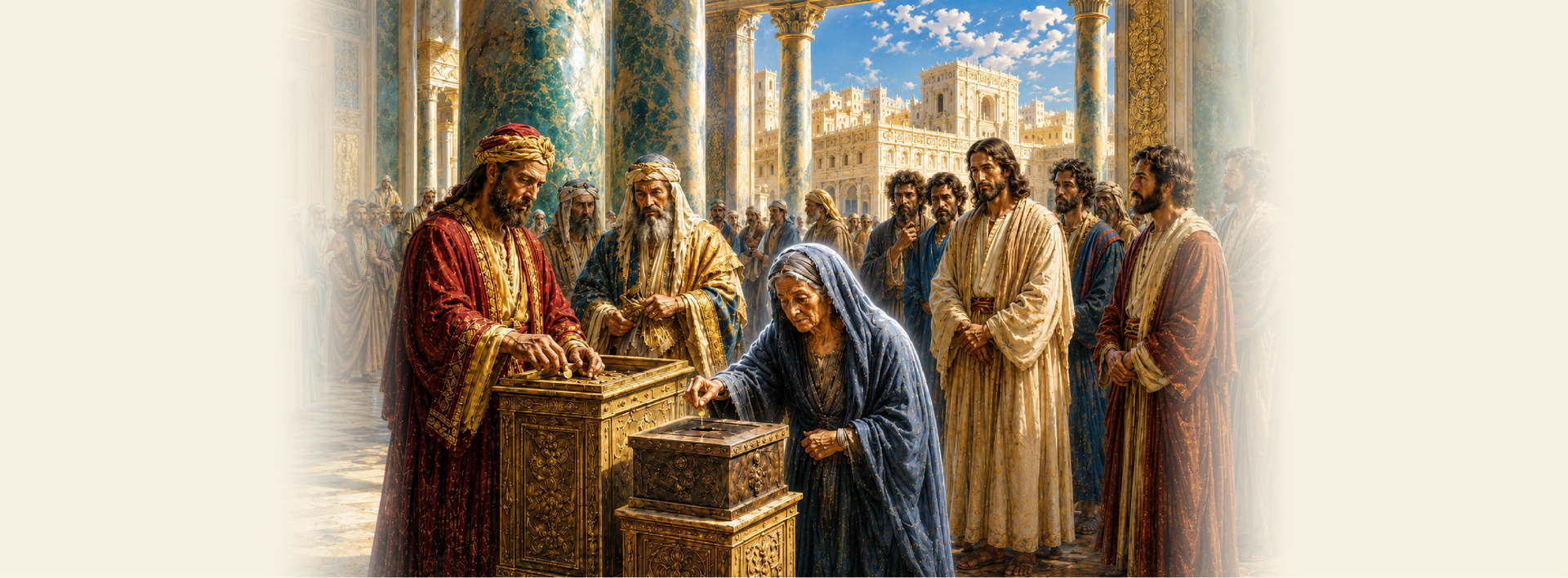
The story appears in the Gospels of Mark and Luke. Jesus is watching people place their gifts into the Temple treasury. Wealthy donors give large amounts, the kind of offering that would have been easy to notice. Then a poor widow steps forward and gives two very small coins.
By the standards of money, her gift was almost nothing.
By the standard of sacrifice, it was everything.
Jesus points out that the widow had given more than all the others because they gave out of their abundance, while she gave out of her poverty. Her offering was not measured by size, shine, or spending power. It was measured by the heart behind it.
That is why the Widow’s Mite still holds such a powerful place in biblical history and coin collecting today.
What Was the Widow’s Mite?
The coin traditionally known as the Widow’s Mite is usually identified as a small bronze coin from ancient Judaea, often described as a lepton or prutah. These coins were humble pieces of daily commerce. They were small, thin, and often irregularly shaped. Many were crudely struck, with designs that can appear off-center, worn, or incomplete.
To a modern eye, they may look rough.
To a collector, that roughness is part of the story.
These were not presentation pieces. They were not made for display cases, velvet trays, or auction catalogs. They were coins of ordinary life — the kind of coin a person might carry, spend, save, or offer.
That is what makes the Widow’s Mite so compelling. It is not impressive in the way gold impresses. It is impressive because it connects us to a moment where a small act became unforgettable.
The Coin Behind the Story
The exact coins placed into the Temple treasury by the widow cannot be identified today. That is important to say plainly.
When collectors refer to a Widow’s Mite coin, they are usually talking about the type of small bronze Judaean coin traditionally associated with the biblical account. Many examples are connected to the reign of Alexander Jannaeus, who ruled Judaea from about 103 to 76 B.C.
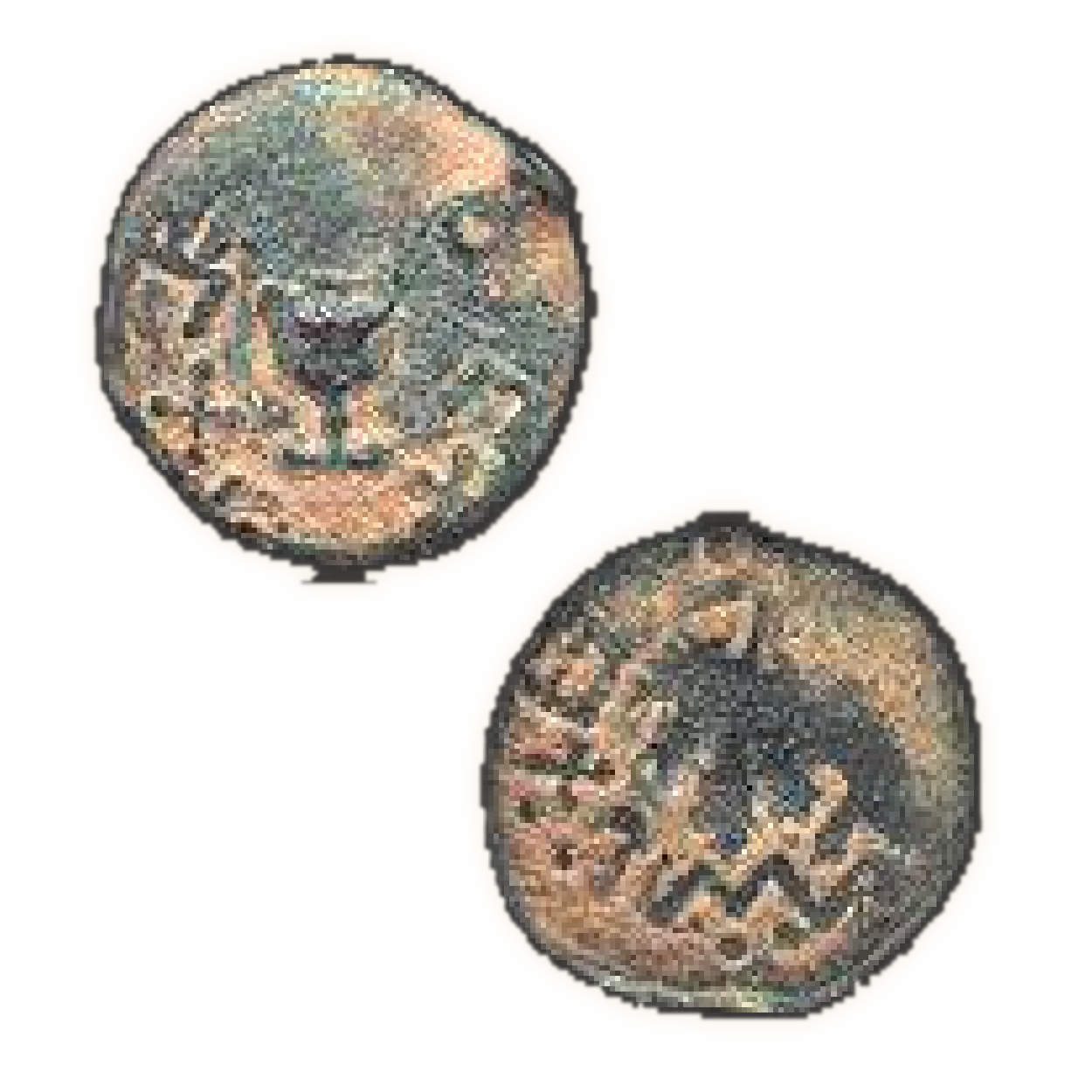
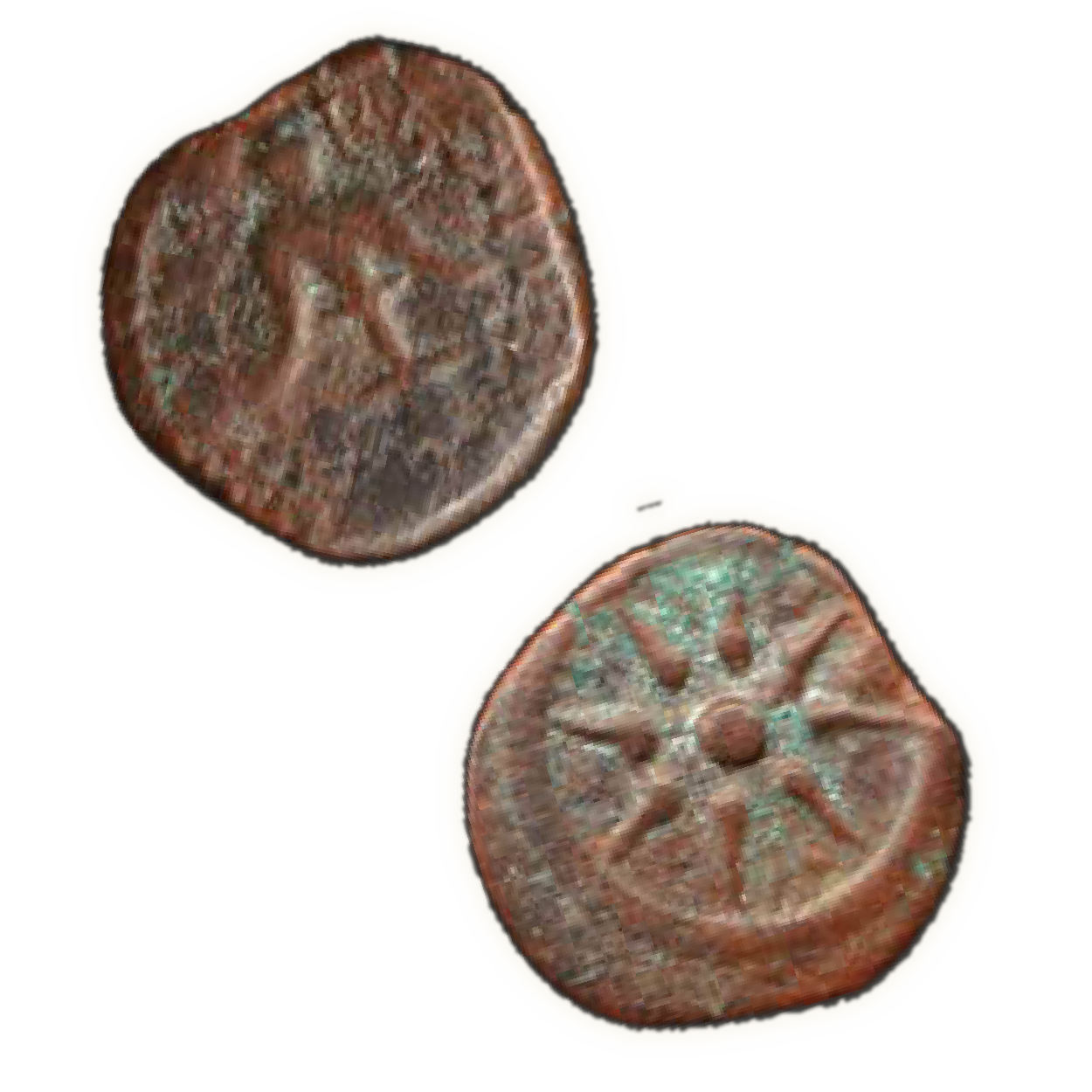
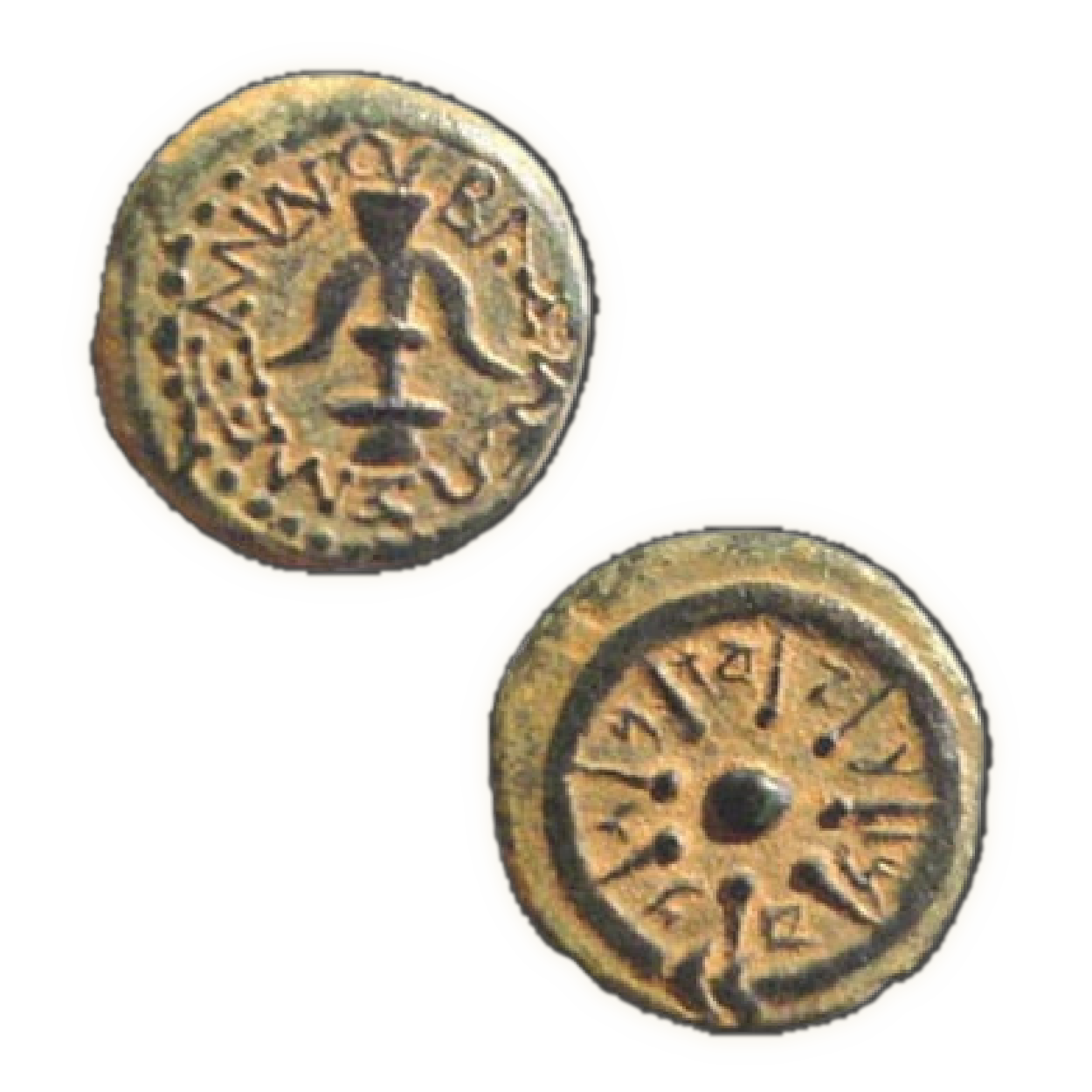
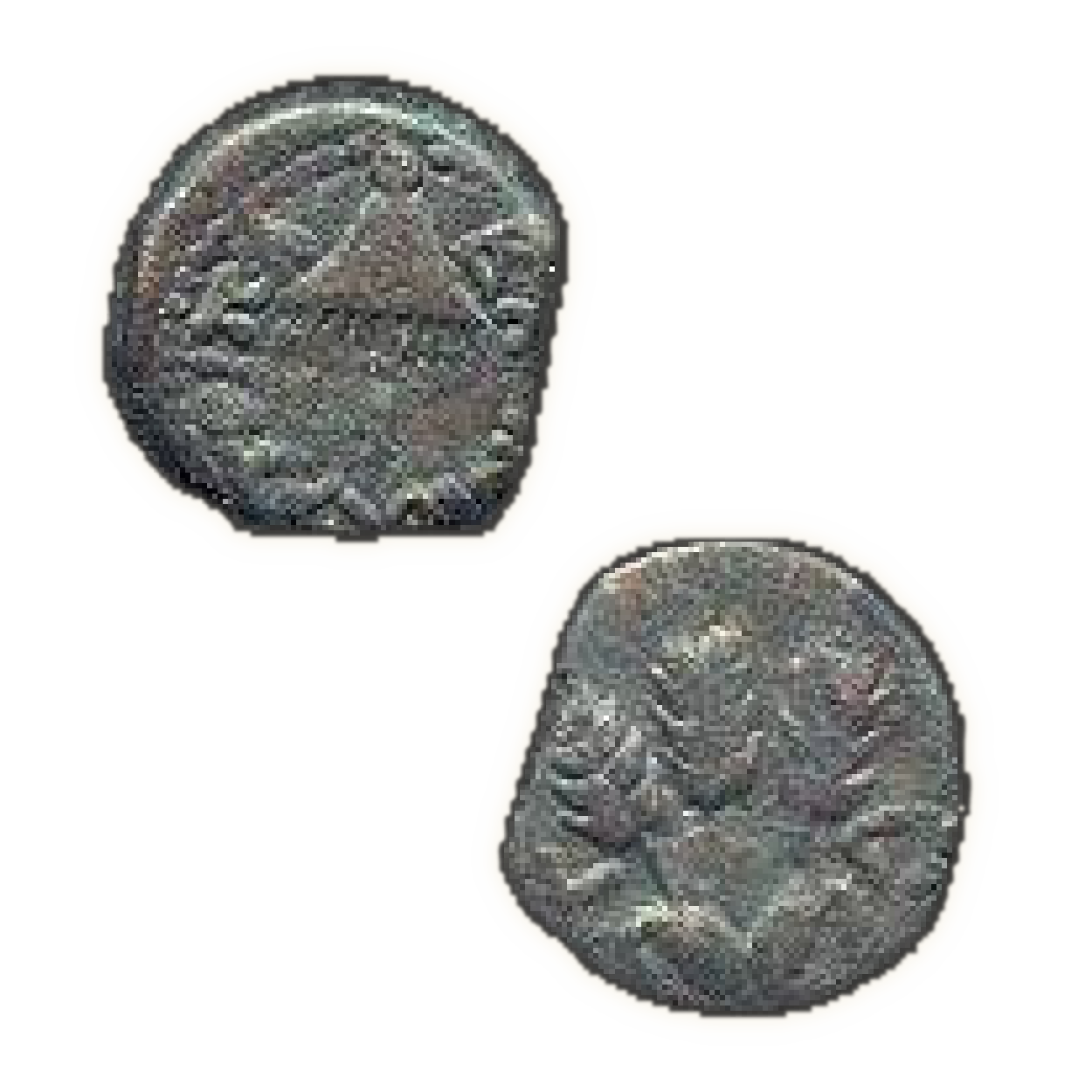
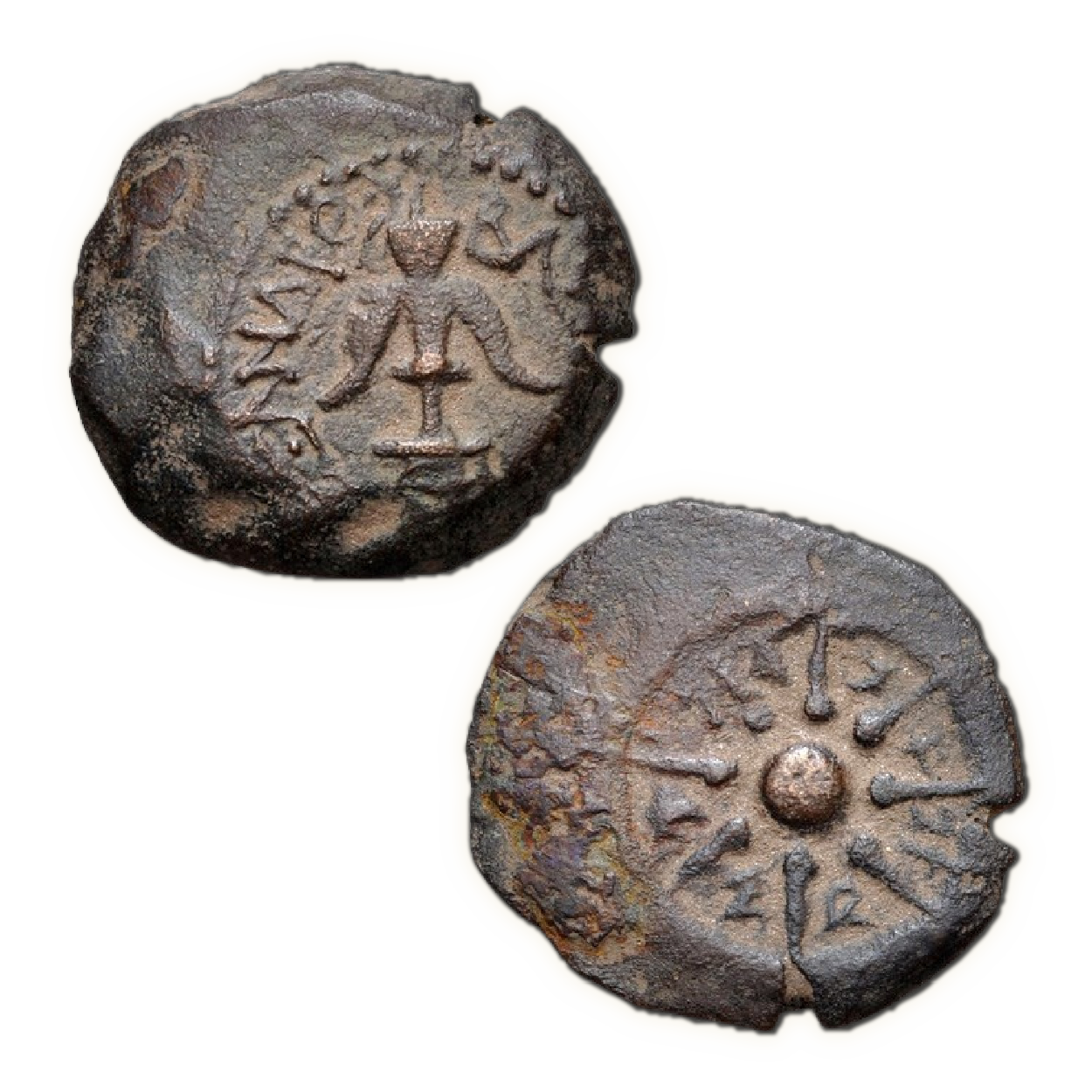
These coins often feature simple ancient designs, such as an anchor on one side and a star or wheel-like design on the other. Because they were struck by hand and circulated heavily, no two examples look exactly alike.
That individuality gives each coin character.
One may show a stronger anchor. Another may reveal only part of the design. Some are dark and worn from centuries underground. Others hold just enough detail to remind us that this tiny piece of bronze once passed through real hands in the ancient world.
For collectors, that is the draw.
The Widow’s Mite is not just an object. It is a bridge between Scripture, history, and the everyday economy of the biblical world.
Why the Widow’s Mite Still Matters
The Widow’s Mite turns the usual collector instinct on its head.
Collectors often look for condition, rarity, precious metal, sharp detail, and market value. Those things matter in numismatics. But this coin asks a different question:
What gives a coin meaning?
Sometimes meaning comes from rarity. Sometimes it comes from beauty. Sometimes it comes from age, provenance, or historical importance.
And sometimes, meaning comes from a story.
The Widow’s Mite reminds us that value is not always measured in weight, grade, or price. A tiny copper coin can carry a lesson larger than itself. It can speak to generosity, humility, faith, sacrifice, and the quiet dignity of someone who gave what she had.
That is why this coin continues to interest collectors, churches, students of Scripture, and history lovers more than 2,000 years later.
It is small enough to miss.
But once you understand the story, it is hard to forget.
A Collector’s Note
Widow’s Mite coins vary widely in appearance. Many are worn, off-center, or difficult to read, which is normal for this type of ancient coin. Collectors should be cautious when buying biblical coins and should look for reputable sellers, clear attribution, and honest descriptions.
The most trustworthy description is not “the exact coin from the Bible,” but rather:
Traditionally associated with the biblical story of the Widow’s Offering.
That distinction matters.
It honors both the history and the faith behind the story.