
COIN COLLECTING
MERIT BADGE
A Practical Guide for Scouts, Parents, and Merit Badge Counselors
Coin collecting is one of the few hobbies that blends history, art, craftsmanship, and real-world value—and that’s exactly why the Coin Collecting Merit Badge has been a favorite among Scouts for generations.
Whether a Scout is just starting out or already setting aside interesting coins from pocket change, this badge introduces the fundamentals of numismatics in a hands-on, practical way. Along the journey, Scouts learn how coins are made, how to organize and care for a collection, and how money reflects the story of a nation.
This guide walks through the official requirements, explains what counselors are looking for, and offers practical tips to help Scouts complete the badge with confidence.
About the Coin Collecting Merit Badge
The Coin Collecting Merit Badge introduces Scouts to the lifelong hobby of numismatics—the study and collecting of coins and currency. Along the way, Scouts build skills in:
- Careful observation and attention to detail
- Record keeping and organization
- Historical research
- Understanding value, condition, and design
Many collectors trace their interest in coins back to this very badge. It’s not about owning rare or expensive coins—it’s about learning how to look at coins with purpose and curiosity.
This merit badge is offered through Scouts BSA, with educational support and resources provided by the American Numismatic Association (ANA).
Official Coin Collecting Merit Badge Requirements
Below is a clear, plain-language breakdown of the current requirements and what each one is designed to teach.
How Coins Are Made & Where They Come From
Scouts begin by learning how coins are produced, from artwork to finished coin.
This includes:
- How coin designs are created
- How dies are made
- How coins are struck
- Where U.S. coins are minted today
Scouts should also be able to name active U.S. Mint facilities and explain what types of coins are produced at each location.
Understanding Key Numismatic Terms
Every collector needs a shared vocabulary. Scouts are asked to learn and explain common coin terms, including:
- Obverse – the front of the coin
- Reverse – the back of the coin
- Reeding – the grooved edge found on many coins
- Clad – coins made from layers of different metals
- Type set – one example of each coin design
- Date set – one coin from a series across multiple years
Being able to point these out on real coins is often more important than memorizing definitions.
Proper Coin Storage & Care
Coins are small pieces of history—and they deserve to be protected.

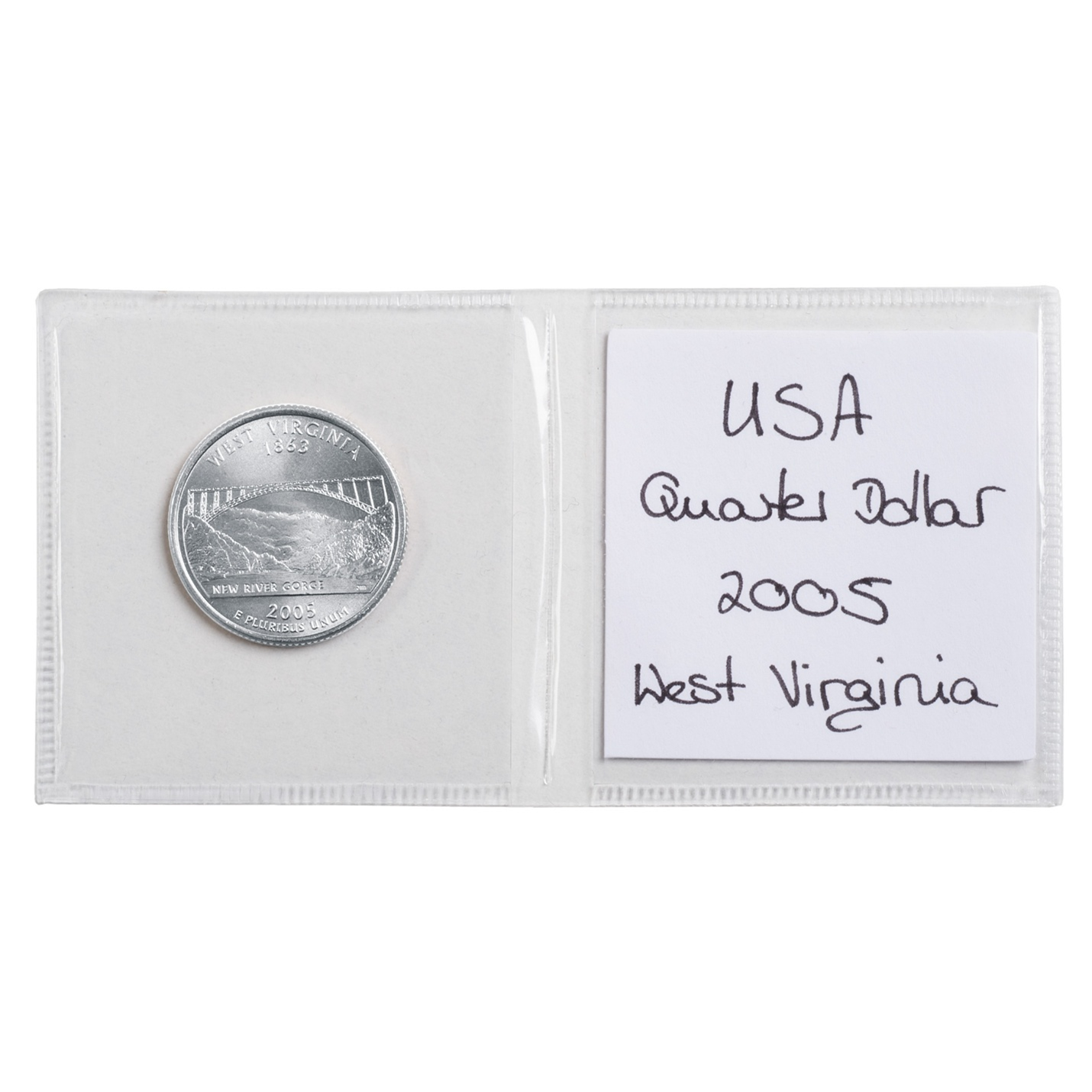
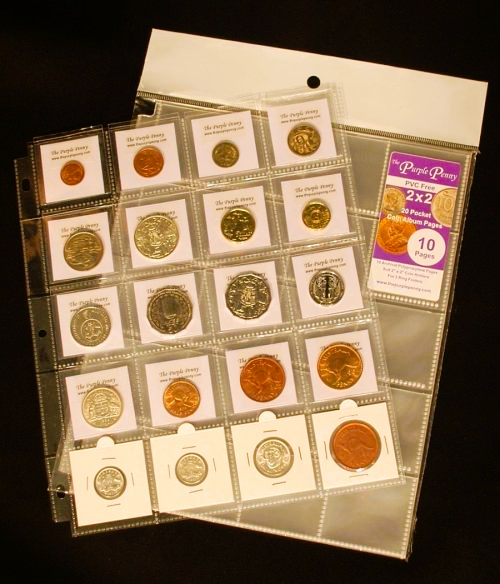
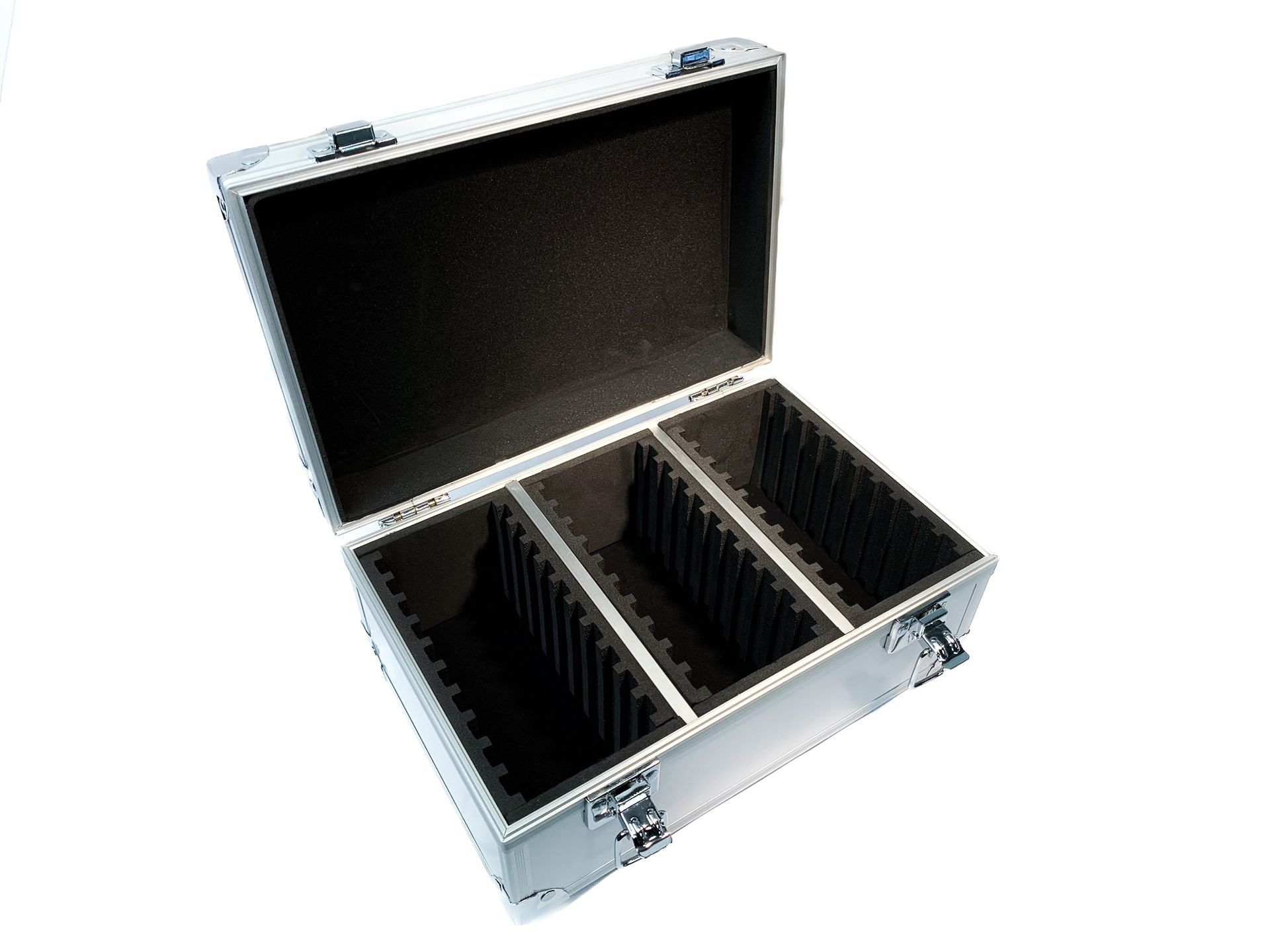
Scouts must describe at least three different storage methods, such as:
- Coin albums
- Cardboard 2×2 holders
- Plastic flips or sleeves
- Coin Boxes for Graded
They should explain the advantages and disadvantages of each method, including cost, protection, and ease of viewing. Counselors often look for an understanding of why coins should not be handled excessively or stored loosely.
Collecting and Identifying U.S. Coins
This is where the badge really comes alive.
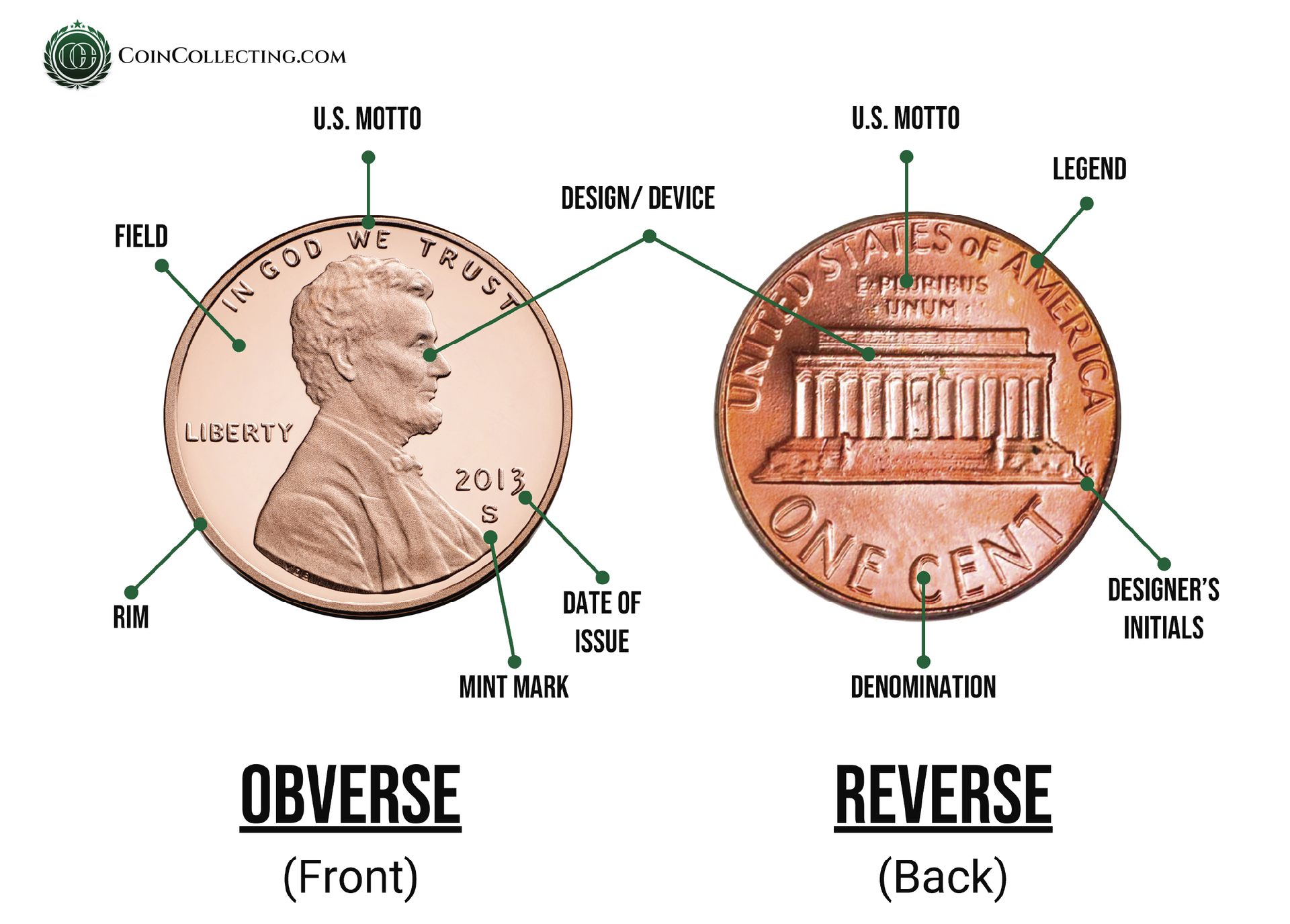
Scouts collect and examine a selection of U.S. coins, including:
- One-cent coins (Lincoln Memorial, Shield, and modern issues)
- Five-cent coins (including the Westward Journey series)
- Dimes, quarters, half dollars, and dollar coins
- Coins from modern circulating programs
For each coin, Scouts should be able to:
- Identify the design
- Name the designer
- Locate the designer’s initials
- Discuss why certain years or designs are different
The goal isn’t perfection—it’s learning how to observe details and ask questions.
U.S. Paper Money Basics
The badge also introduces Scouts to U.S. paper currency.
Scouts are asked to:
- Identify the individuals pictured on modern U.S. banknotes
- Explain where U.S. paper money is printed
- Understand the difference between coins and currency in circulation
This requirement helps connect coins to the broader monetary system.
Advanced Options (Choose One)
To complete the badge, Scouts select one advanced activity, such as:
- Collecting and identifying coins from other countries
- Attending a coin show or club meeting
- Touring a mint, museum, or Federal Reserve facility
- Giving a short presentation on coin collecting
- Creating drawings of early American coins
Many Scouts choose to attend a local coin show, where they can see coins up close, talk with experienced collectors, and even participate in kid-focused activities and scavenger hunts.
Helpful Tips for Completing the Merit Badge
You don’t need rare coins or expensive supplies to succeed.
Most Scouts complete this badge using:
- Pocket change
- Coins borrowed from family members
- Low-cost albums or holders
- Free educational resources from the ANA
Coin shows and local clubs are especially helpful. They provide real-world exposure and often have mentors who enjoy working with young collectors.
Visual Learning: What Counselors Like to See
Counselors typically appreciate when Scouts can:
- Point out obverse vs. reverse on a coin
- Identify mint marks
- Show how coins are stored properly
- Explain differences between coin designs clearly
Confidence and understanding matter more than having a large collection.
Why This Badge Matters
The Coin Collecting Merit Badge isn’t just about coins—it’s about learning to slow down, observe details, and understand history through tangible objects. For many Scouts, this badge becomes the starting point of a lifelong hobby—and sometimes even a future career in numismatics, history, or finance.
👉 Check out our Glossary of Numismatic Terms HERE

👉A parent or legal guardian can sign up to receive a free downloadable resource pack from CoinCollecting.com—designed to support your studies and help you get closer to earning your badge.
Free Coin Collecting Merit Badge Resource Pack
For Scouts BSA — Parent & Guardian Sign-Up
This form is for parents or legal guardians of Scouts.
If your Scout is currently working on the Coin Collecting Merit Badge, a parent or guardian may sign up here to receive free educational resources from CoinCollecting.com.
These resources are provided as a courtesy to support Scouts BSA advancement and are not intended for general commercial use.
Free Coin Collecting Merit Badge Resource Pack
For Scouts BSA — Parent & Guardian Sign-Up
__________________________________________________________________
This form is for parents or legal guardians of Scouts.
If your Scout is currently working on the Coin Collecting Merit Badge, a parent or guardian may sign up here to receive free educational resources from CoinCollecting.com.
These resources are provided as a courtesy to support Scouts BSA advancement and are not intended for general commercial use.