
Coin shows can be exciting, energizing, and full of opportunity—but they also demand good judgment. Every collector, from beginners to seasoned specialists, has made a bad purchase or fallen into a familiar trap at least once. It’s part of the learning curve.
The difference between a collector who leaves a show proud of their finds and one who leaves frustrated usually comes down to awareness: awareness of pricing, awareness of sales dynamics, awareness of personal limits, and awareness of when to slow down—or walk away.
This guide isn’t about avoiding coin shows. It’s about approaching them with clarity, discipline, and a realistic understanding of where mistakes happen and how to prevent them.
Done right, a show can be one of the most rewarding environments in the hobby. Done poorly, it can become an expensive lesson.
Let’s walk through the most common pitfalls—and how experienced collectors avoid them.
Emotional Buying: The Fastest Way to Regret a Purchase
Coin shows create momentum. You’re surrounded by collectors, rare material, and pieces you may not see again soon. That environment can push even disciplined buyers toward rushed decisions.
Common signs of emotional buying include:
- Worry that someone else will buy the coin first
- Feeling pressure to “leave with something”
- Overlooking a flaw you would normally catch
- Negotiating against yourself just to secure the coin
The solution is simple, but not always easy: pause.
If you feel rushed, step away from the table. Take a short walk. Reset your perspective. A coin that truly belongs in your collection will still feel right after a few minutes of quiet thought. A coin that doesn’t will usually start to feel wrong very quickly.
Poor Negotiation: Confidence Matters More Than Aggression
Negotiation at a coin show doesn’t mean haggling aggressively. It means communicating clearly and understanding the market.
Mistakes to avoid:
- Asking for large discounts without explanation
- Talking down a dealer’s material
- Using other dealers’ prices as blunt leverage
- Leading with “What’s your best price?” without genuine interest
A more effective approach:
- Ask informed questions about the coin’s history, grade, or pricing
- Show real engagement with the series
- Explain briefly why you’re requesting an adjustment
- Stay polite, direct, and honest
Most experienced dealers respect collectors who negotiate thoughtfully—even when there’s little room to move.
Show Premiums: When They’re Fair—and When They Aren’t
Some coins carry higher prices at shows. That alone isn’t a red flag.
Premiums may be reasonable when:
- The coin is fresh to the market
- Eye appeal is clearly above average
- A dealer specializes in the series
- Supply is thin and demand is visible
Premiums become questionable when:
- The coin is common and widely available
- Quality is average or below
- Pricing exceeds recent auction results without justification
One of the strengths of a bourse floor is comparison. If a price feels high, walk a few aisles and look for similar material. Few environments allow you to test pricing against multiple examples in such a short amount of time.
Raw Coins: Some Hide Problems You Can’t Afford
Raw coins can represent some of the best—and worst—purchases at a show.
Potential risks include:
- Overgrading
- Cleaning and hairlines
- Dipping or unnatural surfaces
- Rim filing or edge damage
- Light scratches that materially affect grade
If you’re not confident evaluating raw coins:
- Stick to graded examples for higher-value pieces
- Buy raw only from dealers who specialize in that series
- Ask questions instead of guessing
- Inspect under multiple lighting angles
A great raw coin can be a rewarding find. A problem raw coin can cost far more than its purchase price once grading fees and long-term value are considered.
Counterfeits & Alterations: Know the Red Flags
Counterfeits and altered coins appear at every show, particularly in raw gold and high-value key dates.
Warning signs include:
- Off-color toning or odd surface texture
- Devices that appear too soft or “mushy”
- Incorrect weight or diameter
- Doubled rims or irregular edge details
- Unusual fonts or inconsistent spacing
- Prices far below market norms
Protection starts with discipline:
- Buy from established dealers with reputations to protect
- Use a scale or calipers if you carry them
- Know which dates and types are commonly counterfeited
- Trust your instincts—if something feels off, walk away
The more valuable the coin, the more important verification becomes.
Buying From Unfamiliar Dealers: Do Your Homework Quickly
Large shows bring together dealers from across the country. Most are honest professionals, but not every table will be the right fit for every collector.
Before purchasing:
- Look for ANA, PNG, or similar professional affiliations
- Ask about return policies upfront
- Note how questions are handled—clearly or evasively
- Observe the overall quality of material in the case
- Review a business card or online presence if needed
It’s common for collectors to drift toward late-day purchases simply to avoid leaving empty-handed. That’s often where marginal decisions happen. If something doesn’t feel right, move on—there are always other options.
Buyer’s Remorse: It Happens—Handle It Correctly
Return policies vary widely at shows.
Some dealers allow:
- Same-day returns
- 24-hour returns
- Trade-ins or buy-back arrangements
Others offer no returns at all.
Before paying, ask about the policy—politely and directly.
If you later realize you made a mistake, remember that every serious collector has been there. Treat it as tuition. Use the experience to slow your pace and strengthen your standards going forward.
Not Every “Deal” Is a Deal
A coin priced below market value doesn’t always represent opportunity.
It may indicate:
- Hidden problems not immediately visible
- Harsh cleaning or improper conservation
- Altered surfaces or old damage
- Low eye appeal that will matter at resale
- An optimistic grade that won’t hold up
Exceptional coins rarely sell at true bargain prices. Real opportunities still require careful inspection and comparison.
If a price seems too good to be true, it deserves extra scrutiny—not excitement.
The Physical Demands: Fatigue Changes Judgment
Coin shows are physically demanding environments:
- Hard floors
- Bright lighting
- Crowded aisles
- Long periods of focused inspection
Fatigue leads to mistakes. Collectors may rush decisions, miss flaws, skip negotiation, or abandon their original plan.
The solution is practical:
- Take regular breaks
- Stay hydrated and eat normally
- Sit down periodically and reset your eyes
- Decide in advance which priorities matter most
You don’t need to see everything in one pass. Judgment improves when energy is preserved.
Knowing When to Walk Away
Restraint is one of the most valuable skills in collecting.
Walk away when:
- You feel pressured
- Questions aren’t answered clearly
- Pricing doesn’t align with condition or recent results
- A flaw keeps bothering you
- You’re tempted for reasons unrelated to quality
The right coin doesn’t require persuasion. The wrong coin almost always does.
Leaving a show without making a purchase can still be a successful day if you protected your standards and your capital.
Coin Shows Are Worth It—With the Right Mindset
The risks are real. So are the rewards.
The goal isn’t to discourage attendance—it’s to equip collectors with the awareness and discipline needed to navigate shows confidently and intelligently. A collector who understands the pitfalls is far more likely to thrive in this environment.
That’s the purpose of this series: to help you approach coin shows with clarity, patience, and control—so the experience remains rewarding rather than costly.
What This Looks Like at the FUN Show
At a convention like the71st Annual FUN Show in Orlando, the principles outlined above become even more important.
With hundreds of dealer booths, major auctions, extensive exhibit areas, educational programming, and multiple days of activity, FUN operates at a scale that rewards preparation and restraint. Managing energy, resisting impulse, verifying material, and knowing when to step away all become essential skills.
Collectors who arrive with a plan—and the discipline to follow it—are the ones who leave with the strongest results.
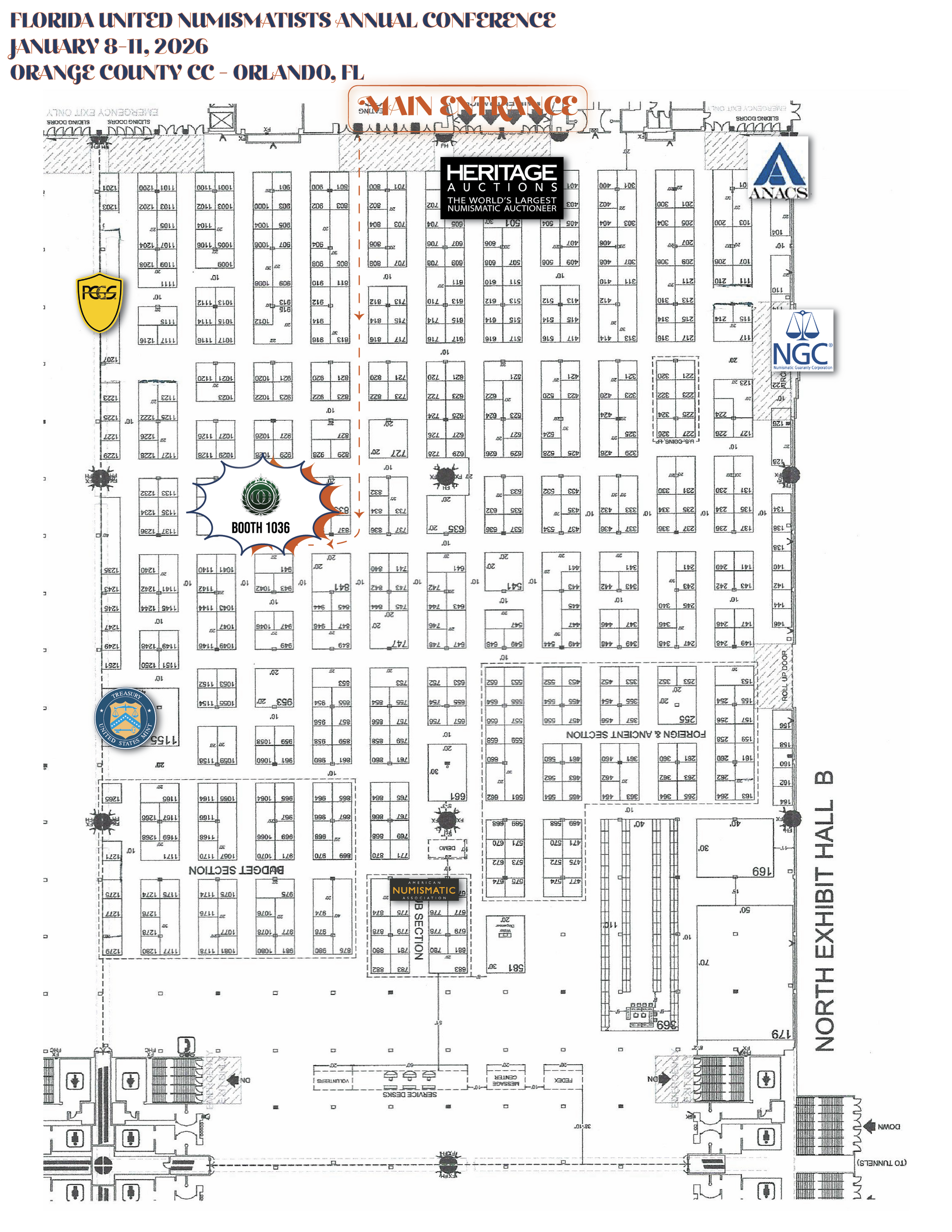
CoinCollecting.com will be on site throughout the show at Booth 1036, and we look forward to connecting with fellow collectors on the bourse floor.