Ask ten people to picture a coin show and you’ll get ten different answers. Some imagine a small room with folding tables and cigar boxes. Others picture hushed conversations where six-figure rarities change hands quietly.
The reality—especially at major conventions—is far more dynamic, far more accessible, and far more useful than either image suggests.
For decades, coin shows have been the backbone of the numismatic world. Even in an age when nearly everything can be bought online, shows remain the place where collectors, dealers, and investors can evaluate coins under real lighting, compare multiple examples side-by-side, speak directly with specialists, and watch the market take shape in real time.
If you’ve ever wondered whether attending a coin show is worth your time, the bourse floor answers that question quickly. Here’s what the experience is actually like—and why events like the FUN Show in Orlando, the ANA World’s Fair of Money, and the Long Beach Expo still sit at the center of modern numismatics.
The Bourse Floor: The Center of the Action
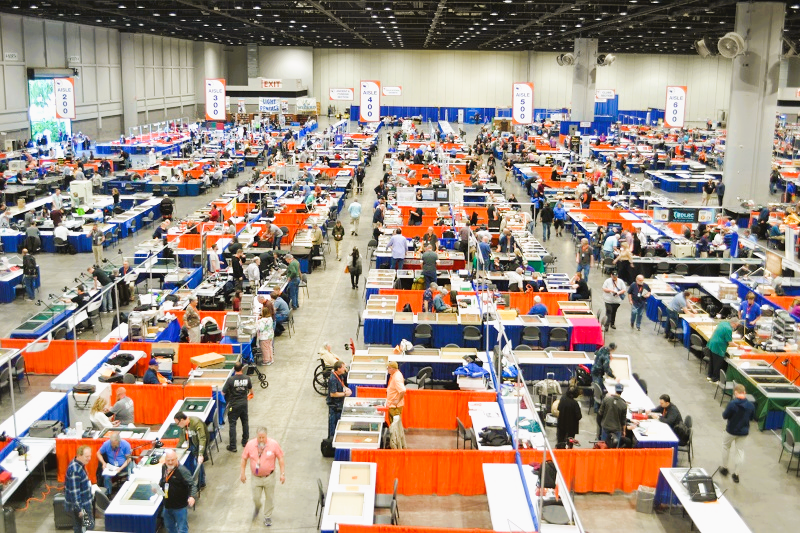
Walk into any major coin show and you feel it immediately: movement, focus, and quiet intensity. Rows of dealers sit behind glass cases filled with everything from affordable starter pieces to five- and six-figure rarities. A walk across the bourse reveals the full range of what collectors actually buy, study, and trade:
- Graded U.S. coins
- Raw coins in flips and trays
- Classic series and modern bullion
- World coins and ancient pieces
- Paper money, tokens, and medals
- Exonumia, literature, and reference works
- Select precious jewelry and gemstone items
- Sporting and historical memorabilia of collector interest
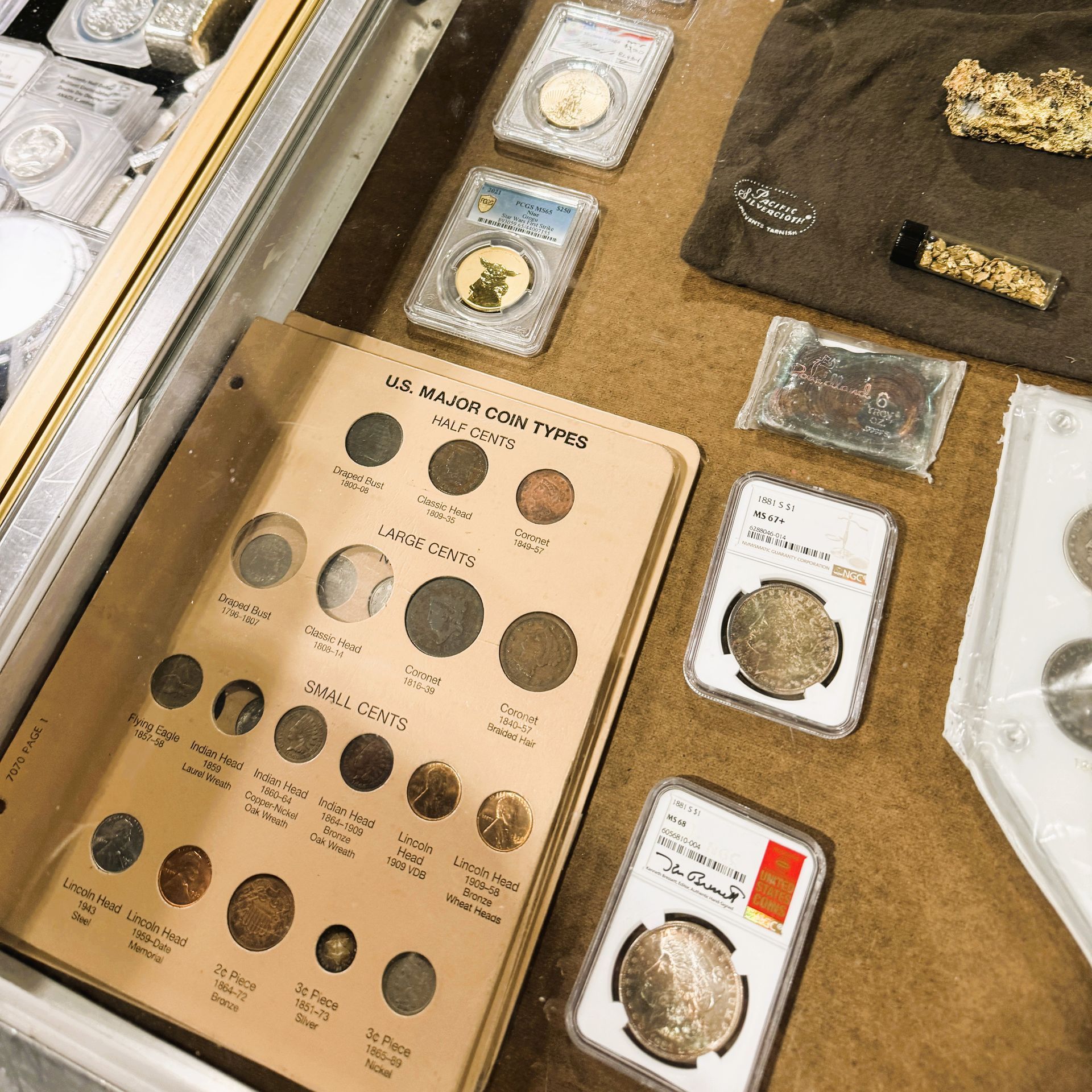

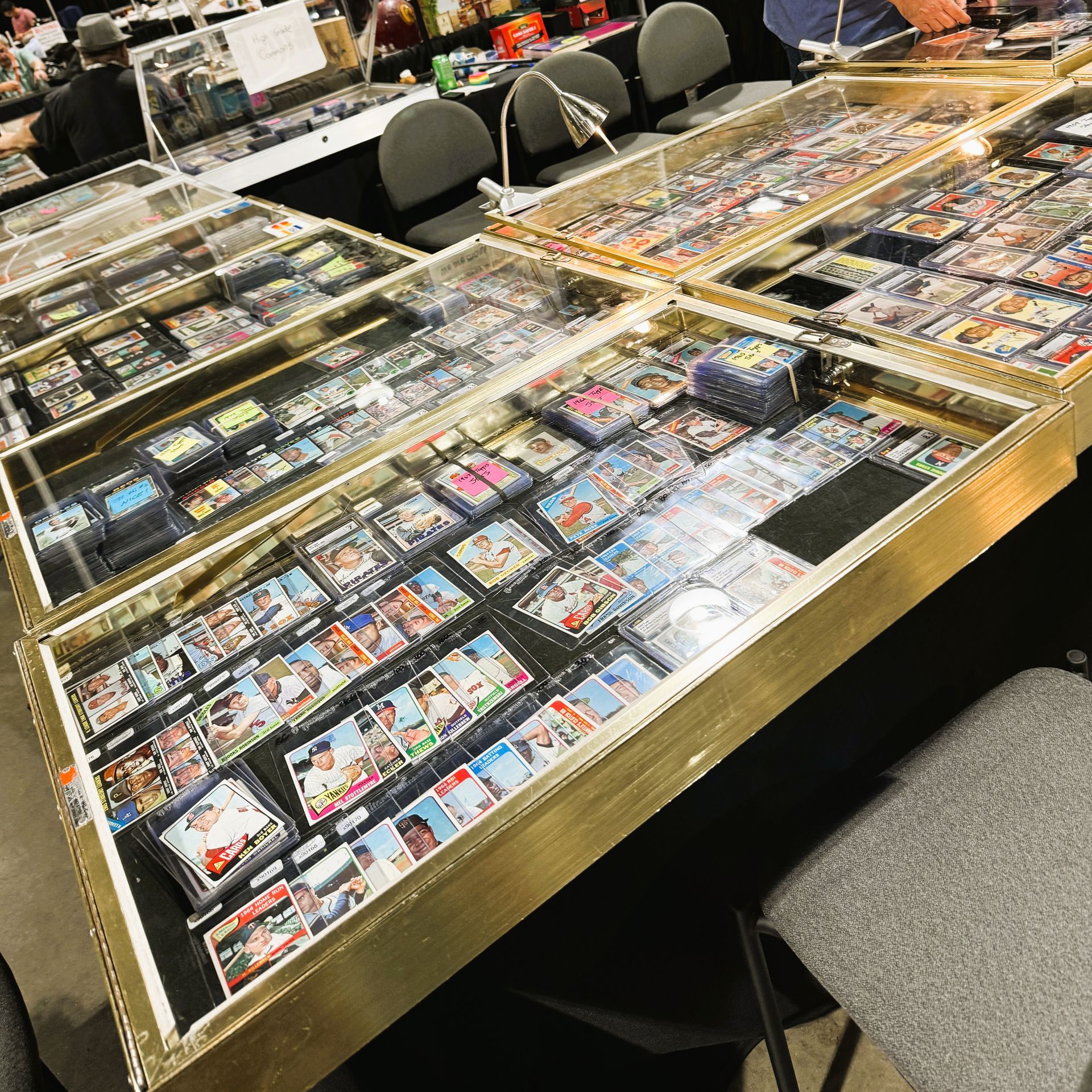
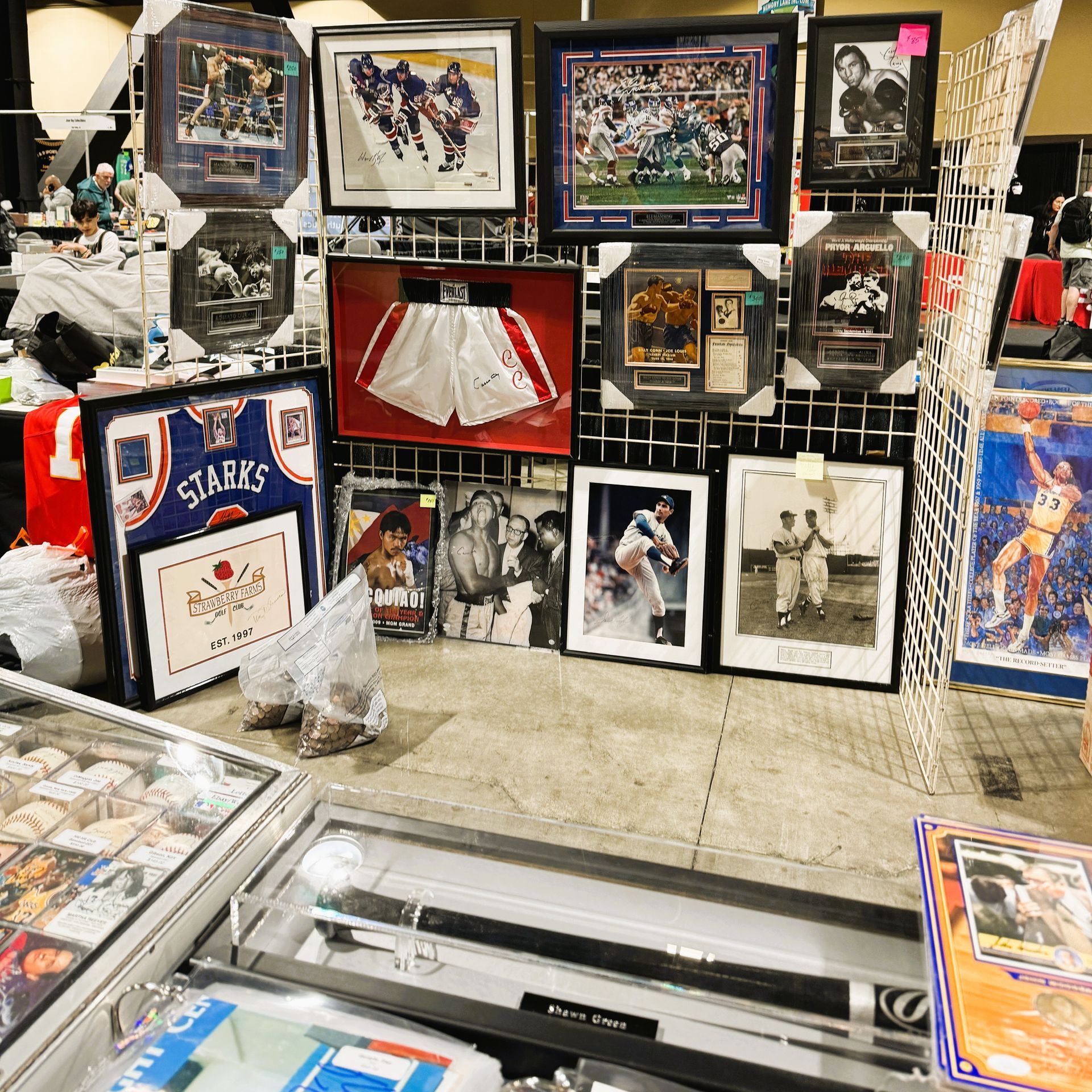
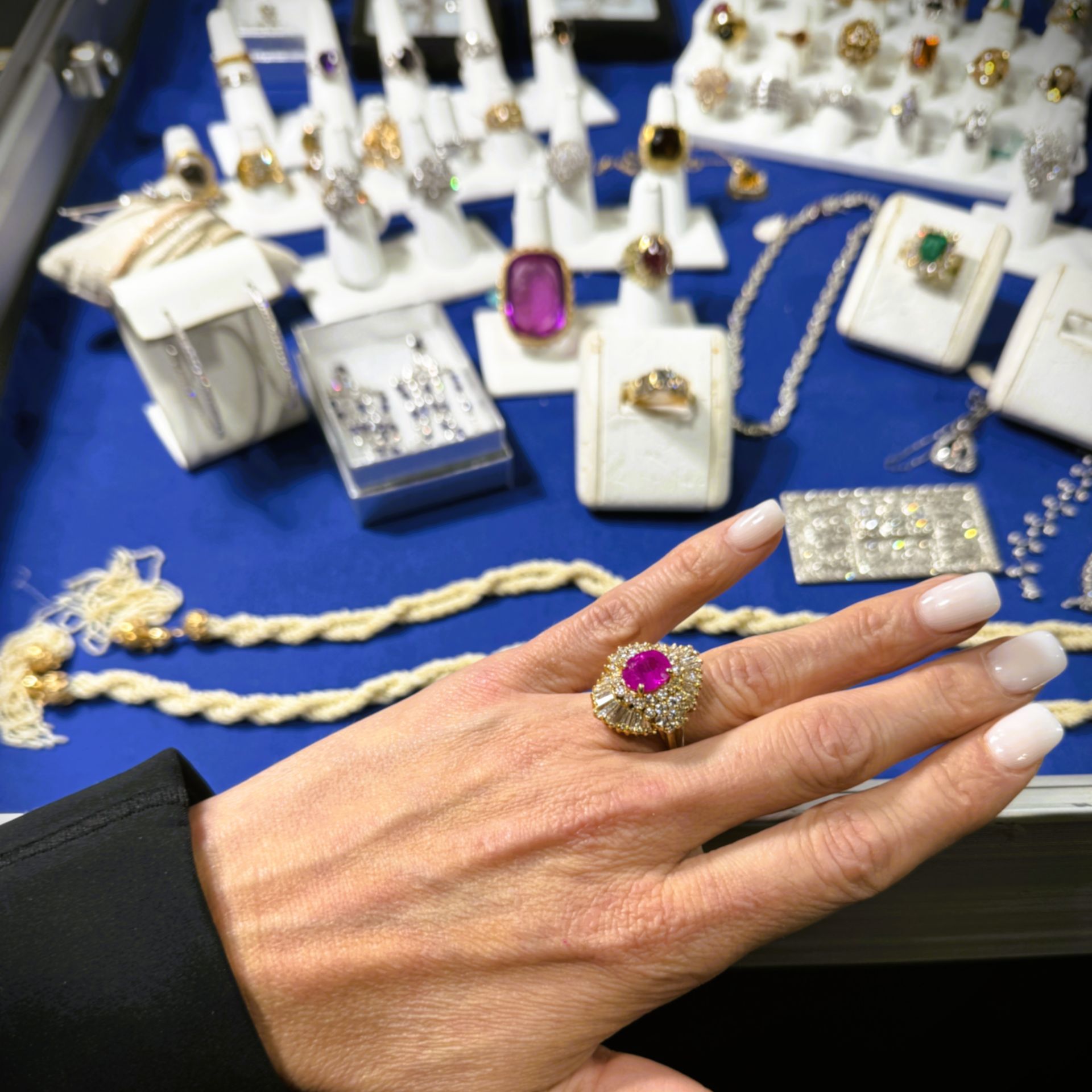
If it’s collectible, it probably has a home somewhere on the bourse.
This is where the real value of attending comes into focus.
Collectors can:
- See coins under neutral or show lighting instead of staged photography
- Compare grades and eye appeal in a single pass
- Evaluate luster, color, strike, and surfaces directly
- Ask questions of the person actually offering the coin
You’ll also encounter specialists: the Lincoln cent dealer who’s seen every die variety, the early copper expert who recognizes problem surfaces at a glance, the Morgan dollar specialist with a feel for what’s truly original, and the modern bullion dealer who tracks premiums day by day.
For newer collectors, a single lap around the bourse can be more educational than months of browsing online listings. For experienced collectors, it’s where nuance, rarity, and value become very clear very quickly.
Beyond Buying and Selling: Education & Expertise
Coin shows are not just marketplaces; they’re classrooms, museums, and club meetings all happening at once.
Most major shows host:
- Educational seminars
- Club meetings and presentations
- Workshops and how-to sessions
- Organized exhibits and competitive displays
These programs are typically led by researchers, authors, graders, market analysts, and long-time collectors. For newer collectors, this can compress years of learning into a single afternoon. For experienced collectors, it’s a way to stay current on:
- Changing grading standards
- New research and attributions
- Emerging demand in specific series
- Trends in counterfeits and altered coins
At the largest national conventions, the educational component often defines the show itself. Thematic exhibits may bring together hundreds of related coins or notes in one place, offering a rare opportunity to study condition, rarity, and historical context at scale.
Seeing material of that depth in person doesn’t just inform—it recalibrates how you think about quality, scarcity, and consistency in a way auction images and catalogs simply can’t replicate.
On-Site Grading: A Major Advantage
One of the most practical benefits of a larger show is on-site grading.
At events like FUN, you can submit coins directly to PCGS, NGC, or ANACS. That offers several advantages:
- Faster turnaround times on select tiers
- Secure, hand-to-hand submission without shipping
- Access to show-specific labels, if you want them
- The chance to speak with company representatives about services or policies
Collectors bring coins they’ve been uncertain about for years—raw pieces that need authentication, inherited coins that need a professional opinion, or borderline examples they think might upgrade.
Submitting at a show doesn’t just save mailing time. It removes unknowns and gives you clarity, often before you leave the building.
Auctions & Market Movement
Major shows and major auctions often go together.
When a firm like Heritage Auctions anchors an event, the auction preview becomes an essential stop—even if you never raise a paddle.
Lot viewing lets you:
- Examine high-grade and historically important pieces in hand
- See how top-end coins are being described and marketed
- Compare auction estimates with what you’re seeing on the floor
- Develop your own sense of where the market is headed
Record prices—or softer-than-expected results—can shift demand quickly. Being there in person, whether in the preview room or in the auction gallery, lets you watch the market move in real time instead of reading about it later.
A Community You Can Feel, Not Just Read About
One of the most important—and often overlooked—parts of a coin show is the community.
You’ll see:
- Long-time collectors catching up with dealers they’ve known for decades
- New collectors asking basic questions—and getting solid answers
- Club members inviting visitors to meetings and exhibits
- Authors signing books and chatting about research
- Families bringing younger generations into the hobby through youth areas
Numismatics has a deep history, but it’s not a closed circle. Shows like FUN make that obvious. The hobby is full of people who are happy to talk coins, share their experience, and point you toward the right table, the right seminar, or the right reference.
Those relationships—between collectors, dealers, graders, and educators—are part of why shows remain central to the hobby even as more buying moves online.
Why Shows Still Matter in 2026
Online marketplaces, digital auctions, population reports, and price guides are all useful. Serious collectors rely on them daily.
But coin shows still offer something no screen can replicate:
- Hands-on evaluation of coins and currency
- Face-to-face conversations with experts and specialists
- Direct exposure to the market as it shifts
- In-person education and exhibits that don’t exist anywhere else
For both new and experienced collectors, there’s no substitute for holding a coin in your hand, viewing it under real light, and comparing it to several others in the same room. That physical context sharpens judgment, builds confidence, and reveals details that even the best images can miss.
As this series continues, we’ll explore what that experience looks like in practice—how to prepare for a show, how to navigate the floor effectively, how to recognize genuine opportunity, and how to avoid the missteps that can slow down even seasoned collectors.
If you’ve ever wondered whether attending a coin show is worth it, our goal is simple: help you walk in informed—and walk out better for having been there.
What This Looks Like at the FUN Show
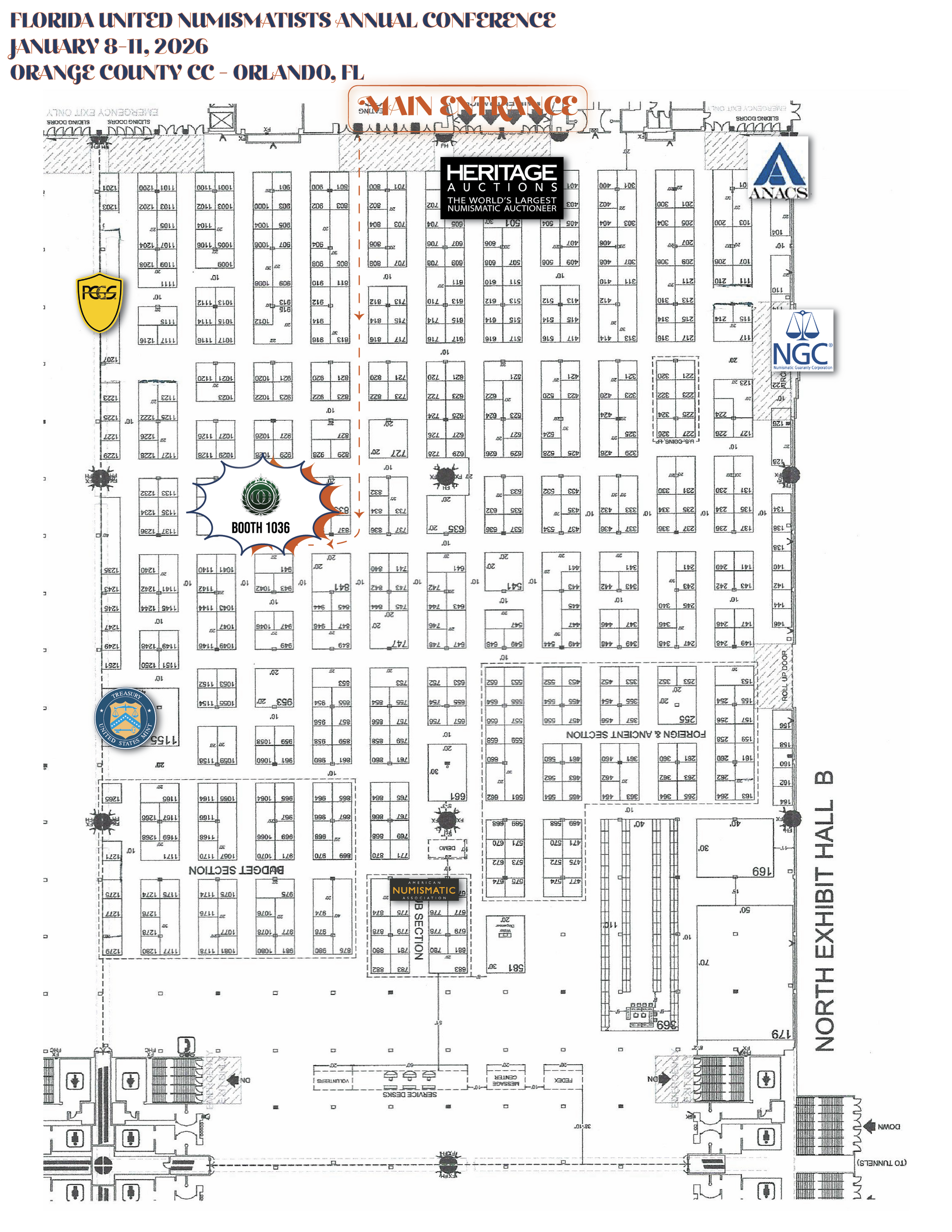
At a major convention like the 71st Annual FUN Show in Orlando, the idea of a “coin show” expands dramatically.
Instead of a single ballroom with a few dozen tables, you’re stepping into a full-scale numismatic event that includes:
- Approximately 600 dealer booths spanning nearly every collecting specialty
- A comprehensive competitive and noncompetitive exhibit area
- A major Heritage auction, with on-site lot viewing
- Educational programs running across several days
- Dedicated Kids’ and Young Numismatist activities designed to introduce the hobby to the next generation
In a single pass across the bourse floor, you might:
- Study early gold or key-date type coins in one case
- Visit the United States Mint booth to see current and upcoming issues
- Watch Mike Bean at the Spider Press demonstrate historic printing techniques
- Pass elongated coin makers and other hands-on demonstrations
- See kids working through a scavenger hunt at the youth booth
It’s all part of the same ecosystem—serious coins, serious education, and real hobby energy under one roof—and it’s what sets a major convention like FUN apart from the traditional idea many people still have of a coin show.