
How to Sell Coins
(and a Coin Collection)
Without Getting Ripped Off
If you’re trying to sell coins—whether it’s a few pieces from a drawer or a full collection you inherited—the biggest mistake is rushing. The safest way to get a strong outcome is to figure out what you have, choose the right selling path, and avoid the common traps that cost people money.
No pressure. Start with photos + a few details.
Quick 60-Second Checklist (Do This First)
Before you call a shop or list anything online, do these five things. They’ll save you time and prevent the most common “oops” moments.
- Don’t clean anything. Not even “just a little.” Cleaning can permanently lower value and make coins harder to sell.
- Separate bullion from collector coins. Bullion is priced mostly by metal content. Collector coins are priced by rarity + condition + demand.
- Pull anything that looks unusual or older. Odd dates, mint marks, errors, and better condition coins deserve a closer look.
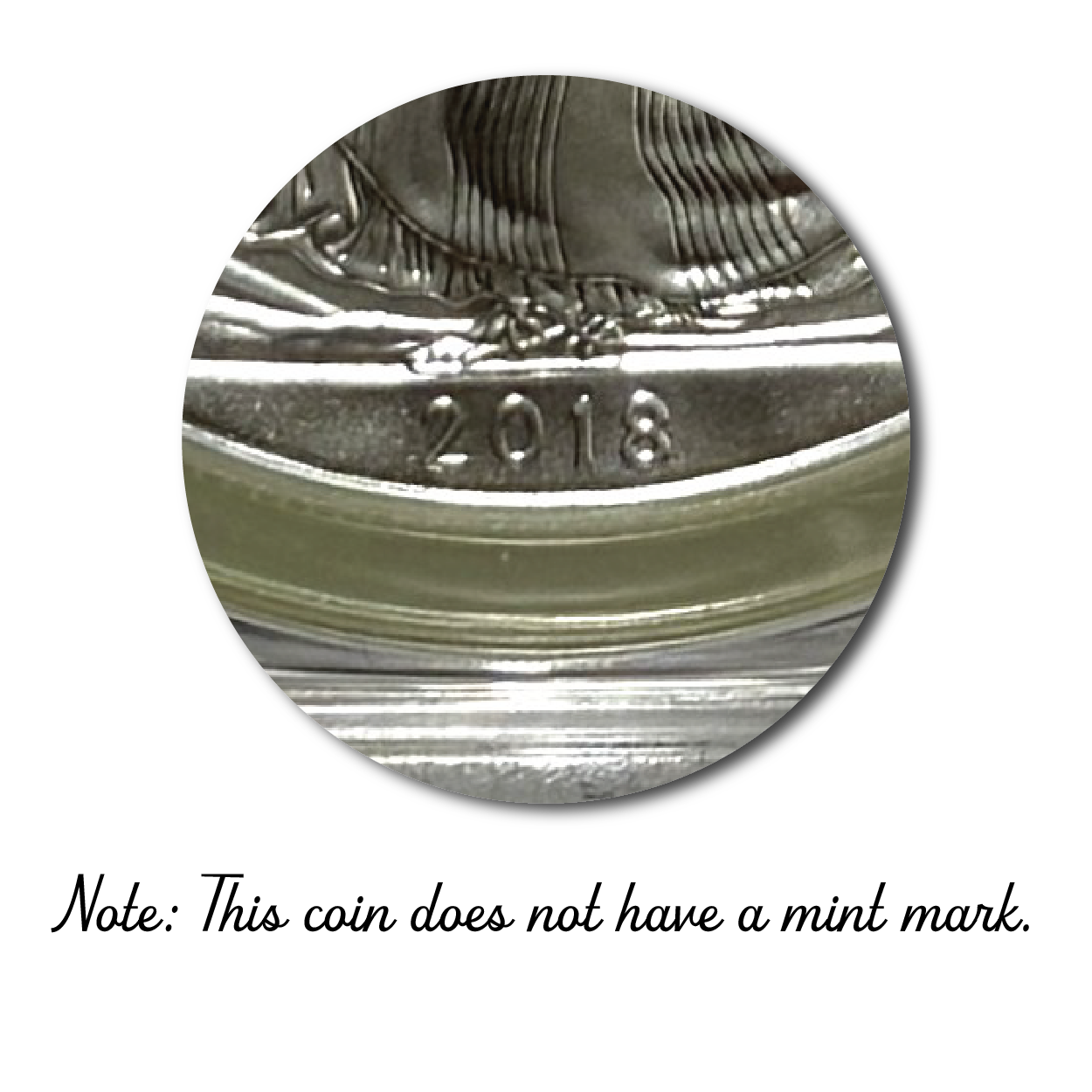
- Make a quick list. You don’t need a spreadsheet—just note the basics: denomination, date, and mint mark (if it has one).
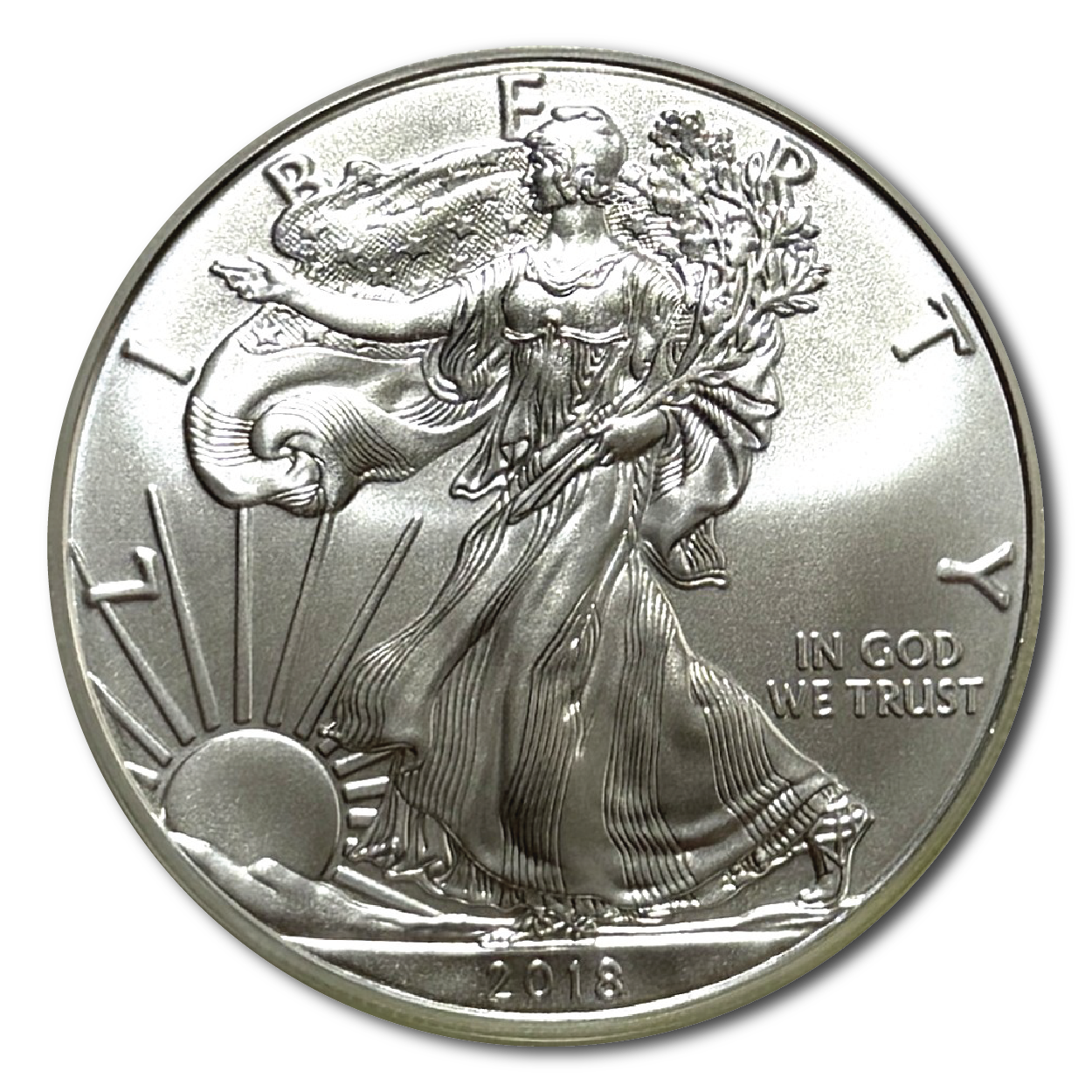
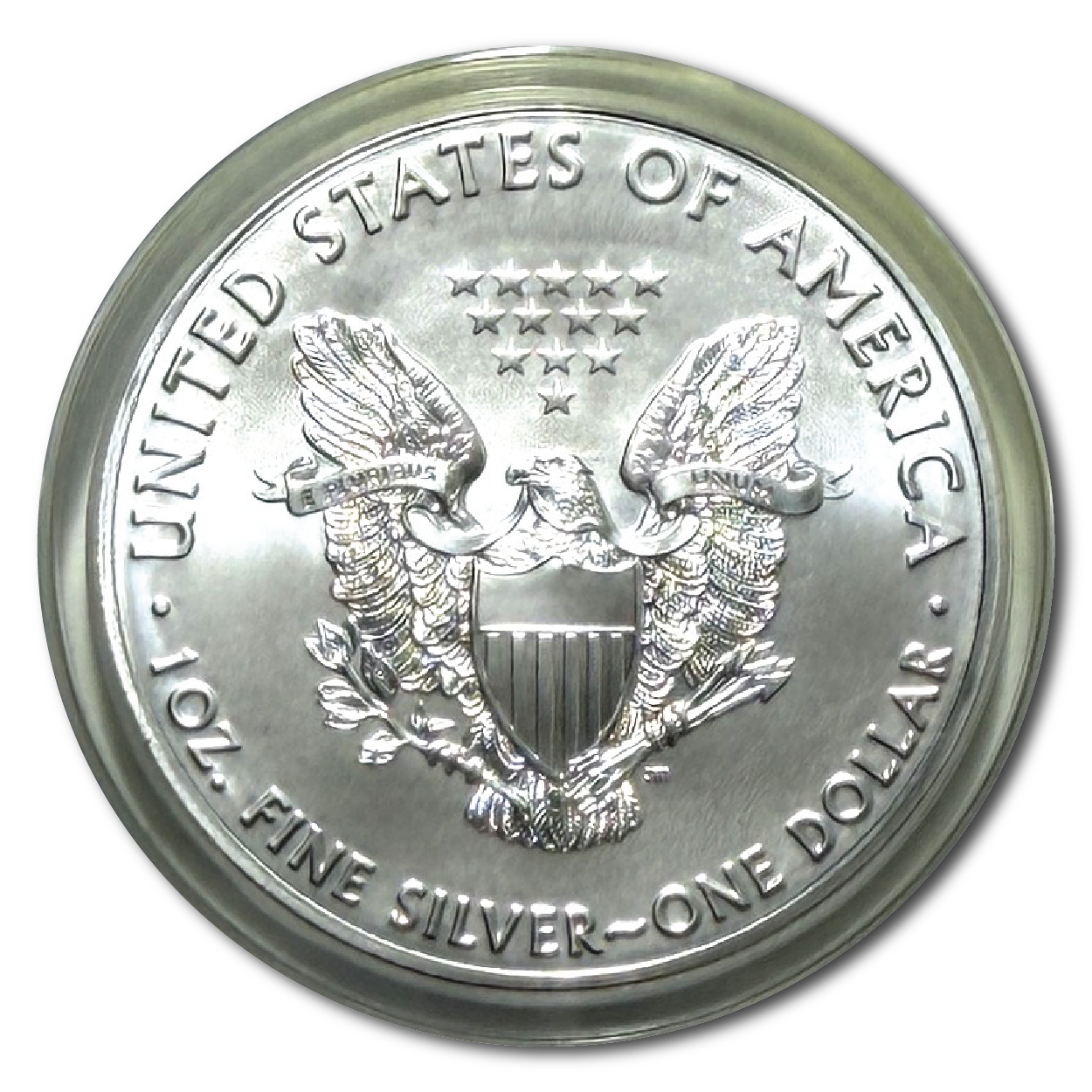
- Take 3 photos. Front, back, and a close-up of the date/mint mark area.
If you do only one thing today: take clear photos before you do anything else.
What Kind of Coins Are You Selling? (This Changes the Best Way to Sell)
Most collections are a mix. Knowing what category you’re holding helps you avoid the wrong buyer and the wrong pricing method.
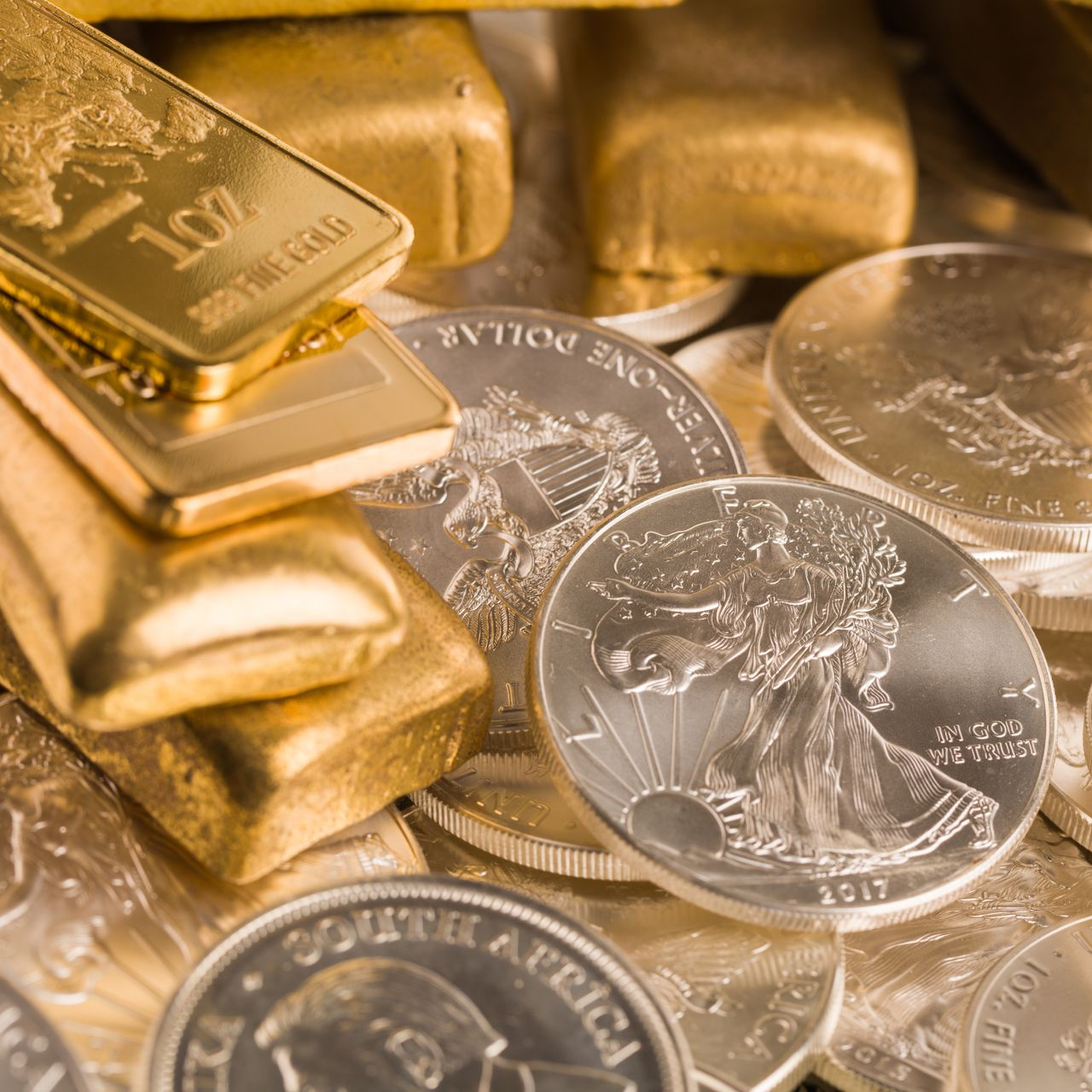
Bullion (gold/silver coins, rounds, and bars)
These are usually priced close to the metal market value, with a premium depending on the item. Bullion tends to sell best through reputable dealers or established online buyers—especially when you can compare offers.
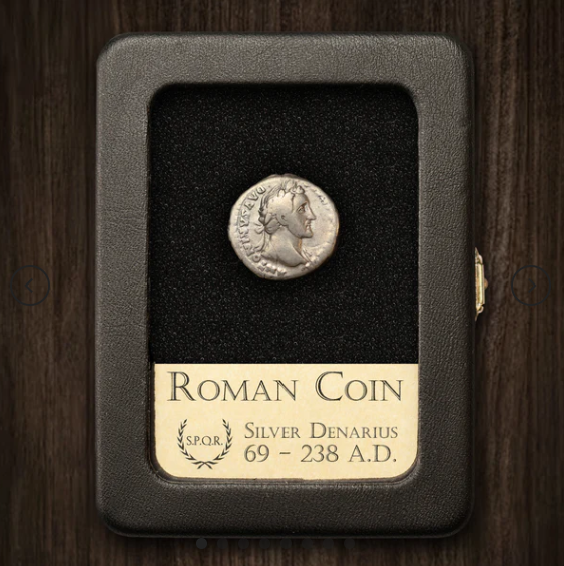
Collector coins (key dates, better condition, rare types)
Collector coins can be worth much more than their metal value—or they can look “old” but be very common. The key drivers are date, mint mark, condition, and authenticity. Better collector coins often do best with a specialist buyer or an auction route.
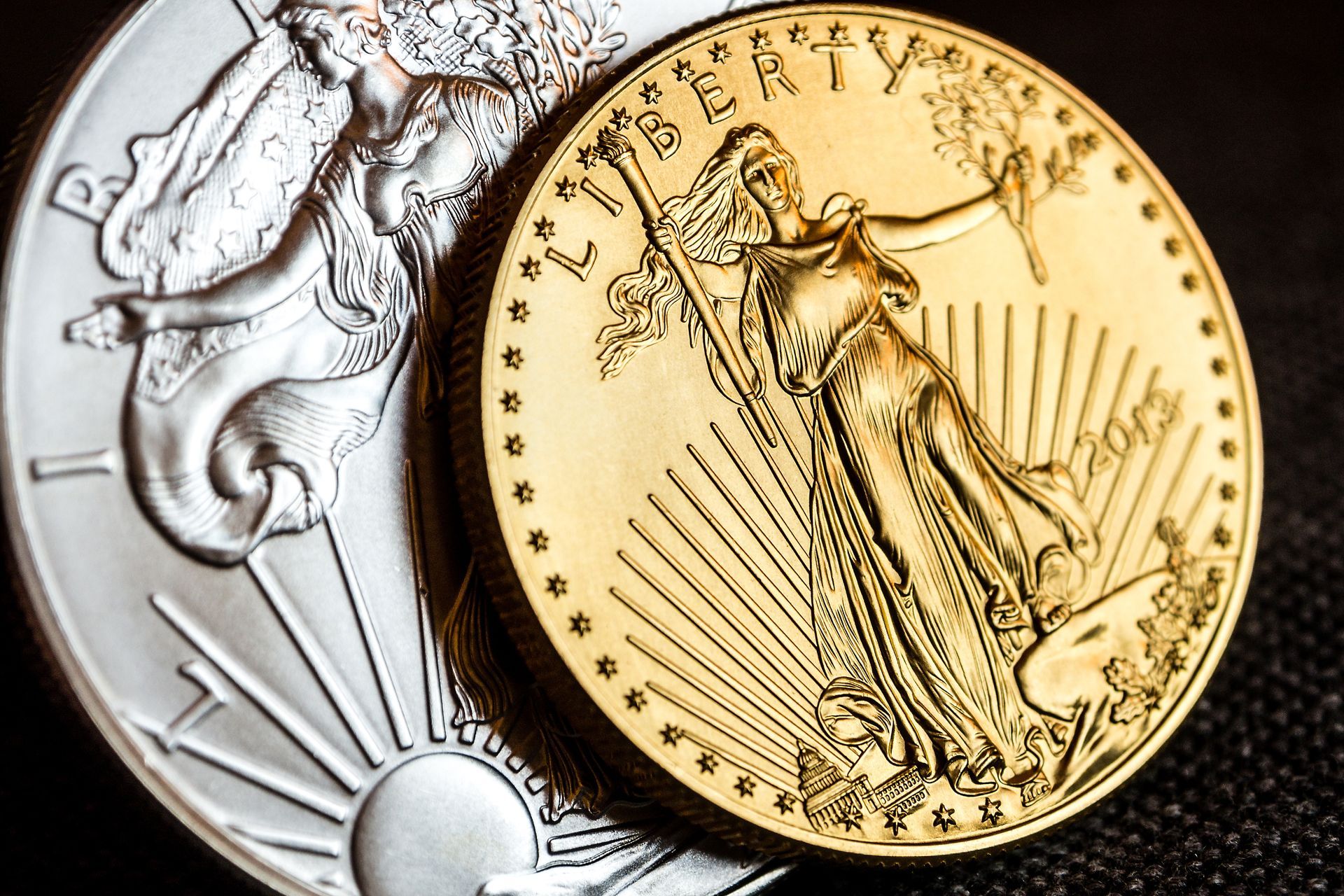
Common modern coins (mostly face value / common dates)
A lot of coins people inherit are common. That doesn’t mean it’s “junk,” it just means the best strategy might be bulk pricing or keeping a few meaningful pieces rather than chasing unrealistic headlines.
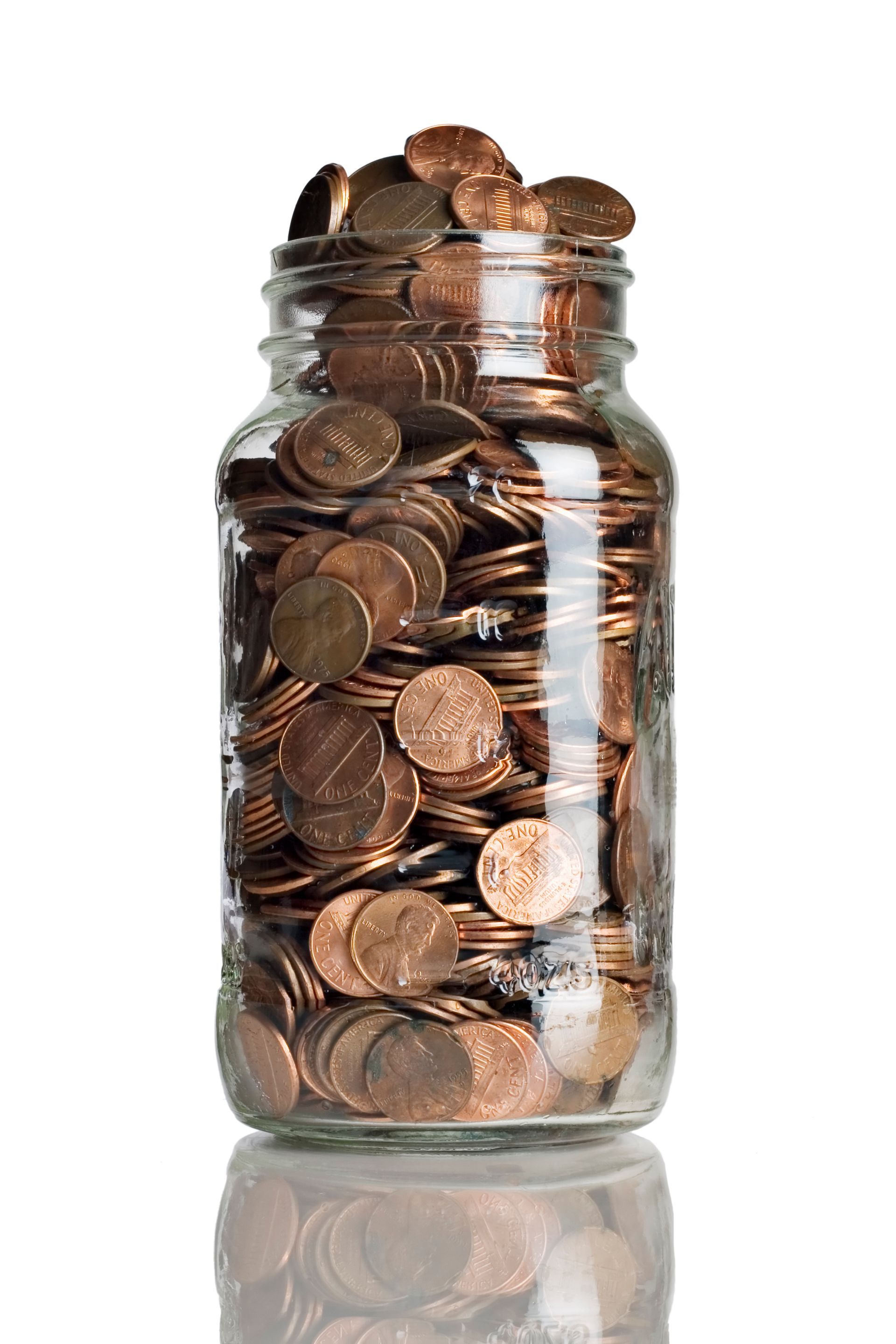
Inherited collections (mixed bags, albums, jars, rolls)
If this came from a family member, don’t break it up right away. The smartest path is triage: separate categories, identify any “standouts,” then decide whether you sell as a group or in pieces.
Where to Sell Coins (Local vs Online vs Auction)
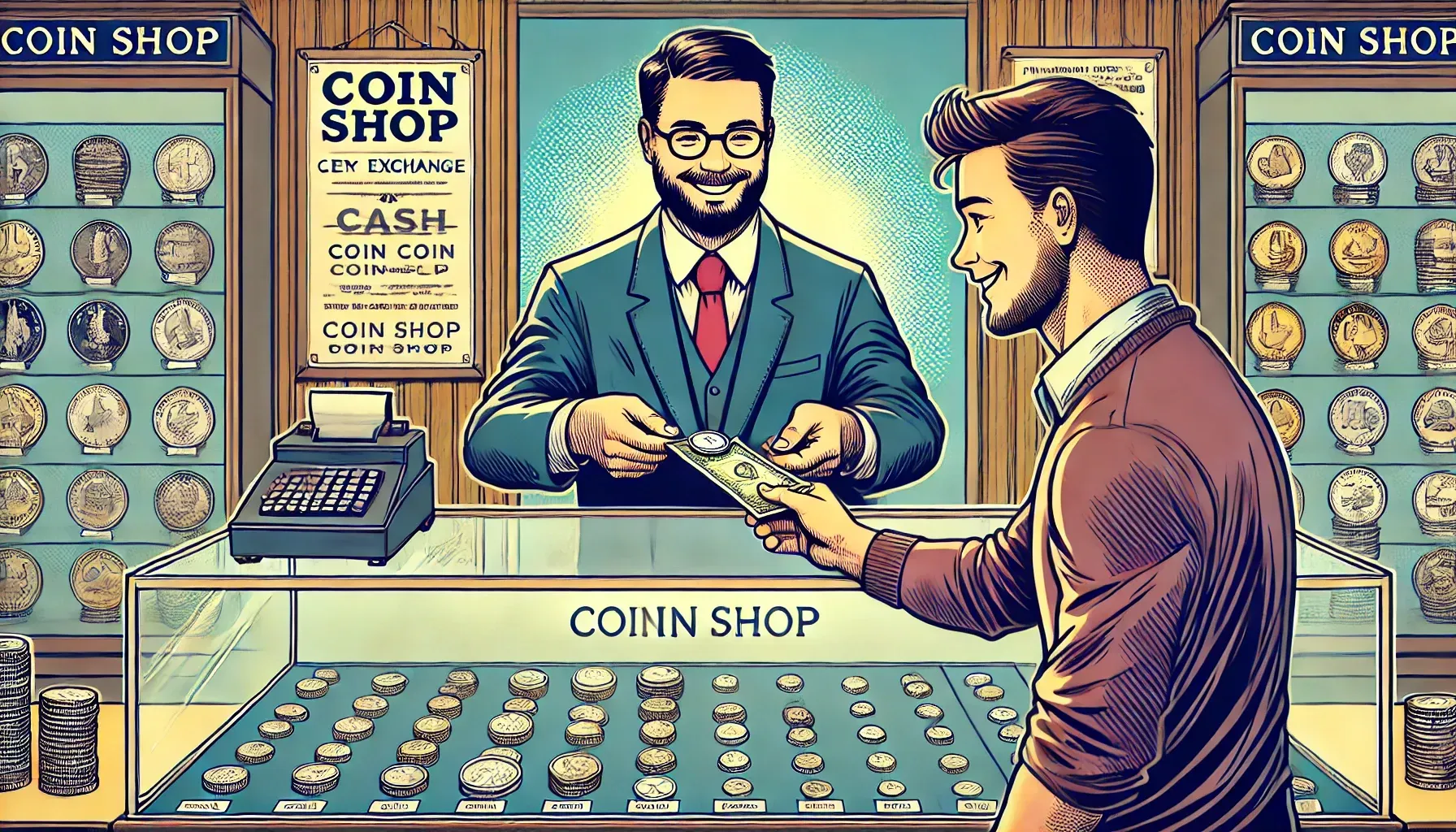

There isn’t one best place for everyone. The “best” place depends on what you have, how fast you need to sell, and whether you’re willing to trade time for a potentially higher result.
Local coin shop (fastest and simplest)
A good local shop can be a great option—especially for bullion and common items—because it’s quick, face-to-face, and you avoid shipping risk.
Best for: quick sale, bullion, common coins, small collections
Watch for: wildly different offers (get 2–3 quotes if the collection matters)
Selling online (bigger audience, more work)
Online marketplaces can bring higher offers for certain items, but you’ll pay fees, deal with shipping, and sometimes handle returns. It’s not “bad”—it’s just a different job.
Best for: specific collector coins with good photos and clear details
Watch for: fees, chargebacks, and “take it off-platform” scammers
Online coin buyers (structured process, usually wholesale pricing)
Some online buyers offer a streamlined process. It can be convenient, especially for bullion, but it’s important to vet reputation and understand how they price.
Best for: bullion and straightforward material
Watch for: vague pricing, unclear terms, weak communication
Auctions (best for higher-end collector coins)
Auctions can be excellent for rare, high-demand, or specialty coins. But it takes time, and there are seller fees. It’s not the right tool for common coins.
Best for: key date coins, rare types, high value single coins
Watch for: timeline + fees (still can be worth it)
A simple decision rule:
Need cash fast → Local shop / direct buyer
Mostly bullion → Compare reputable dealers
Better collector coins → Specialist / auction path
Mixed inheritance → Triage first, then choose
How to Sell for the Most Money (The Smart Playbook)
1) Get 2–3 offers.
Prices can vary a lot. If the collection matters, one quote isn’t enough.
2) Separate bullion from collectibles.
Bullion gets priced around metal. Collector coins get priced around market demand + condition.
3) Don’t automatically pay for grading.
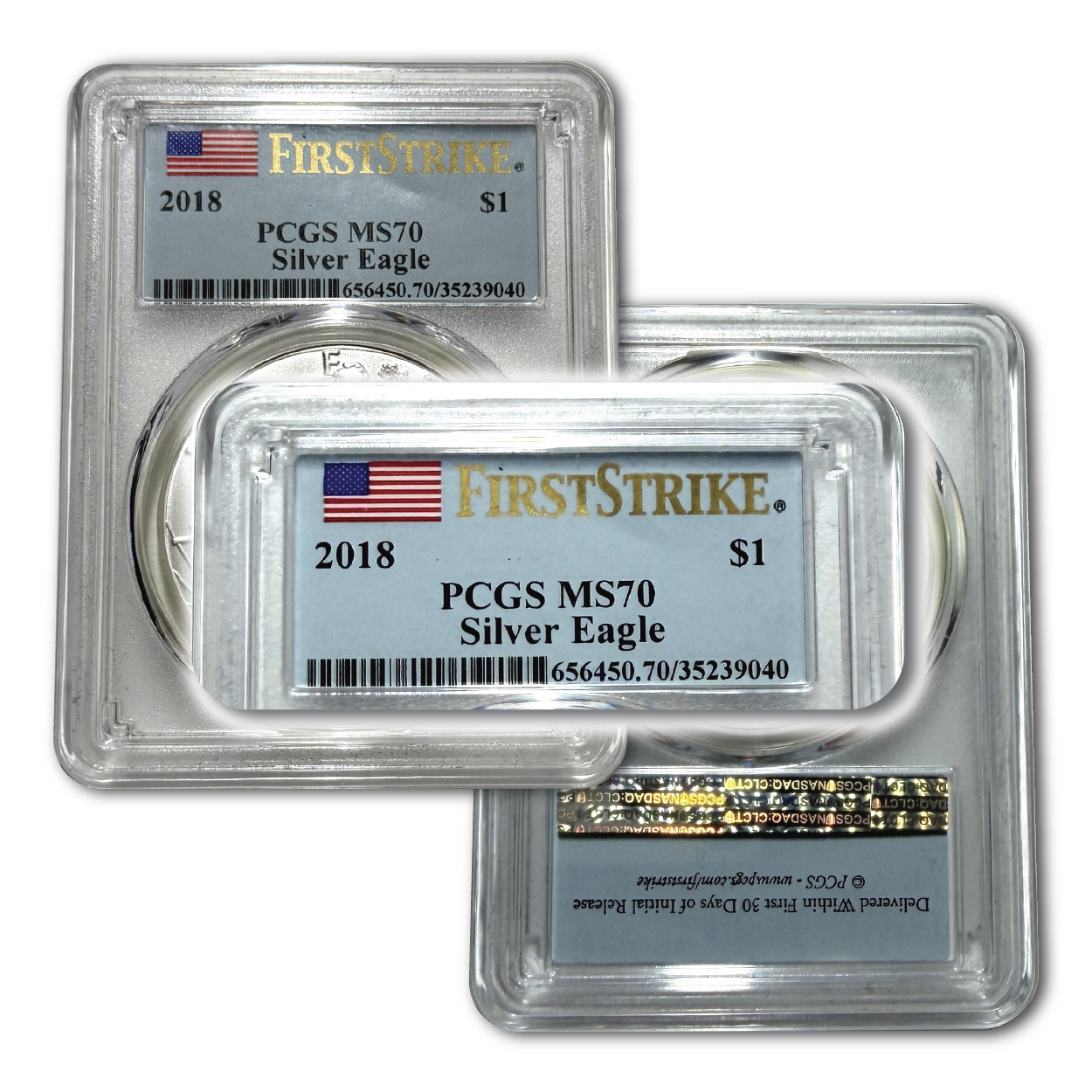
Grading can help some coins a lot—and help others not at all. Grade when it changes the outcome, not because someone says “you should grade everything.”
4) Know what drives value.
Four things move the needle:
date, mint mark, condition, and authenticity. “Old” alone isn’t enough.
5) Avoid fee traps.
Online fees + shipping + returns can erase your extra profit. Sometimes a strong local offer is the better deal.
If your goal is “most money,” we recommend you read: /sell-coins/for-the-most-money/
How to Avoid Scams (Common Traps to Watch For)
Most people don’t lose money because they’re careless—they lose money because they’re in a hurry and dealing with someone who knows that.
Watch for these red flags:
- “Clean them first.” This is often a sign they’re not treating your coins as collectibles.
- Offers without details. A serious buyer needs clear photos and key info.
- Pressure tactics. “This offer is only good today” is rarely a good sign.
- Shipping without protection. Always use tracking and insurance for anything valuable.
- Off-platform payment requests. That’s where many scams live.
A simple rule: If you feel rushed, pause. Good buyers don’t mind you doing basic due diligence.
What Buyers Need From You (Photos + Details That Get Better Offers)
The fastest way to get a stronger offer is to make it easy for a buyer to identify what you have.
Photo checklist (the easy version):
Details that help:
- Rough quantity (example: “one shoebox,” “three albums,” “a coffee can,” “a roll of pennies”)
- Any known story (inheritance, old rolls, bank box)
- Your goal: sell fast or maximize value
You don’t need to be an expert. You just need to give enough info for someone to be honest with you.
Realistic Expectations (A Quick Reality Check)
A lot of people land here after seeing eye-popping prices online. Here’s the truth, stated plainly:
- Viral prices usually refer to rare varieties or top-graded examples, not typical coins.
- Most collections include a mix: a few better pieces + many common coins.
- The best results come from selling through the right channel—not from chasing one perfect “value number.”
Frequently Asked Questions About Selling Coins
Q: How do I sell my coins?
Start by separating bullion from collector coins, then take clear photos and get 2–3 offers. Choose local, online, or auction based on what you have and how fast you want to sell.
Q: How do I sell my coin collection?
Don’t piece it out blindly. Triage first: pull bullion, pull anything rare or graded, then decide what sells best as a group versus individually.
Q: Where is the best place to sell coins?
It depends. Bullion often does best with reputable dealers. Higher-end collector coins may do best with a specialist or auction. Common coins often aren’t worth heavy online fees.
Q: Where can I sell coins near me?
A local coin shop is usually the fastest. Get multiple quotes and ask how they’re pricing (bullion melt vs collector premium).
Q: How do I sell coins online safely?
Use strong photos, tracked/insured shipping, and platform protections. Know the fee structure before listing. Avoid off-platform payment requests.
Q: How do I sell my coin collection for the most money?
Separate categories, compare offers, avoid cleaning, and consider a specialist or auction route for the better coins. Grade only when it truly increases value.
Q: Should I clean coins before selling?
No. Cleaning can permanently reduce value and make many collector coins harder to sell.
Q: How do I know if I should grade a coin?
Grade when the coin is rare or high quality enough that certification meaningfully increases buyer confidence and price. Many coins don’t benefit.
Q: What is my coin collection worth?
It depends on the dates, mint marks, condition, and whether it’s bullion or collectible material. Start here: /coin-collection-value/
Q: I inherited coins—what do I do first?
Don’t clean. Keep everything together, photograph key items, separate bullion from collectibles, and start with the inherited checklist: /inherited-coin-collection/
Want the Fastest Path?
If you want a quick, no-pressure direction, start with photos and your goal (sell fast or maximize value). We’ll point you toward the right next step and help you avoid common mistakes.
No pressure. Start with photos + a few details.
We focus on education and clear next steps. If you’re unsure, take your time—coins don’t go bad sitting safely in a box.