
The Coin Market Rewards Knowledge- Unfortunately, counterfeiters study the same market.


Today’s fakes are more sophisticated than ever. Some are easy to spot. Others are convincing enough to pass at a glance — even to experienced collectors who aren’t looking closely. That’s the part many people underestimate.

Most mistakes don’t happen because someone didn’t care.


They happen because someone moved too quickly.

Authentication isn’t about being suspicious of everything you see. It’s about slowing down long enough to verify what matters.

Because once money changes hands, confidence matters more than assumptions.


Verify the Basics First

Before you admire the coin…
Before you think about rarity…


Start with the fundamentals.

Ask yourself:

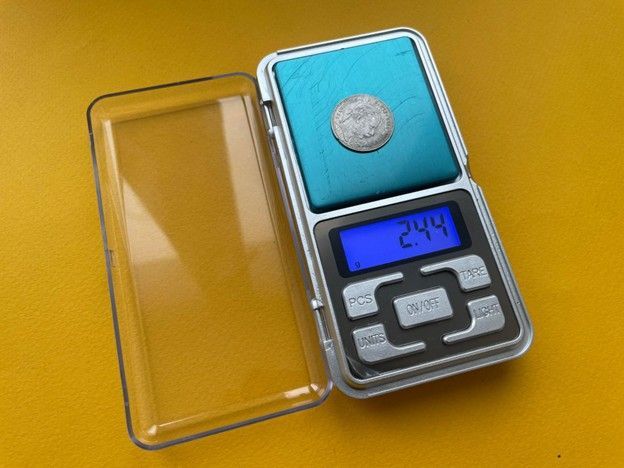
  • Does the weight match what it should be? 
  • Is the diameter and thickness correct? 
  • Does the metal appear consistent with the coin? 

A simple digital scale is one of the most useful tools a collector can own. It doesn’t take long to check — and it can quickly tell you when something isn’t right.

👉 Counterfeit coins often fail here first. They may look convincing, but they rarely match the exact specifications. And even small differences can matter.

Examine the Edge

Once the basics check out, turn the coin and look at the edge.


This is one of the most overlooked — and most revealing — parts of a coin.

On many silver and gold coins, you’ll see reeding — the small grooves along the edge. These should be:

  • evenly spaced
  • consistent in depth
  • cleanly formed


🚩 If the edge looks irregular, uneven, or tampered with, that’s a red flag.


Look for:

  • filing marks
  • flattened areas
  • inconsistent patterns


The edge is difficult to fake perfectly.


That’s why it’s one of the first places experienced collectors check.


Study the Details

Now move back to the surface — but this time, look closely. Counterfeit coins often struggle to replicate fine detail.

This shows up in places like:

  • hair strands
  • feather lines
  • shield details
  • lettering and spacing


Compare the coin to a known example.


Ask yourself:

  • Do the details look sharp — or slightly soft?
  • Does the lettering look correct?
  • Do proportions feel right?


A counterfeit might look good at a glance…But under closer inspection, something usually feels off.


Understand the Holder

— Not Just the Coin

Certification has strengthened the coin market significantly.

But it has also created a new challenge: 👉 counterfeit holders

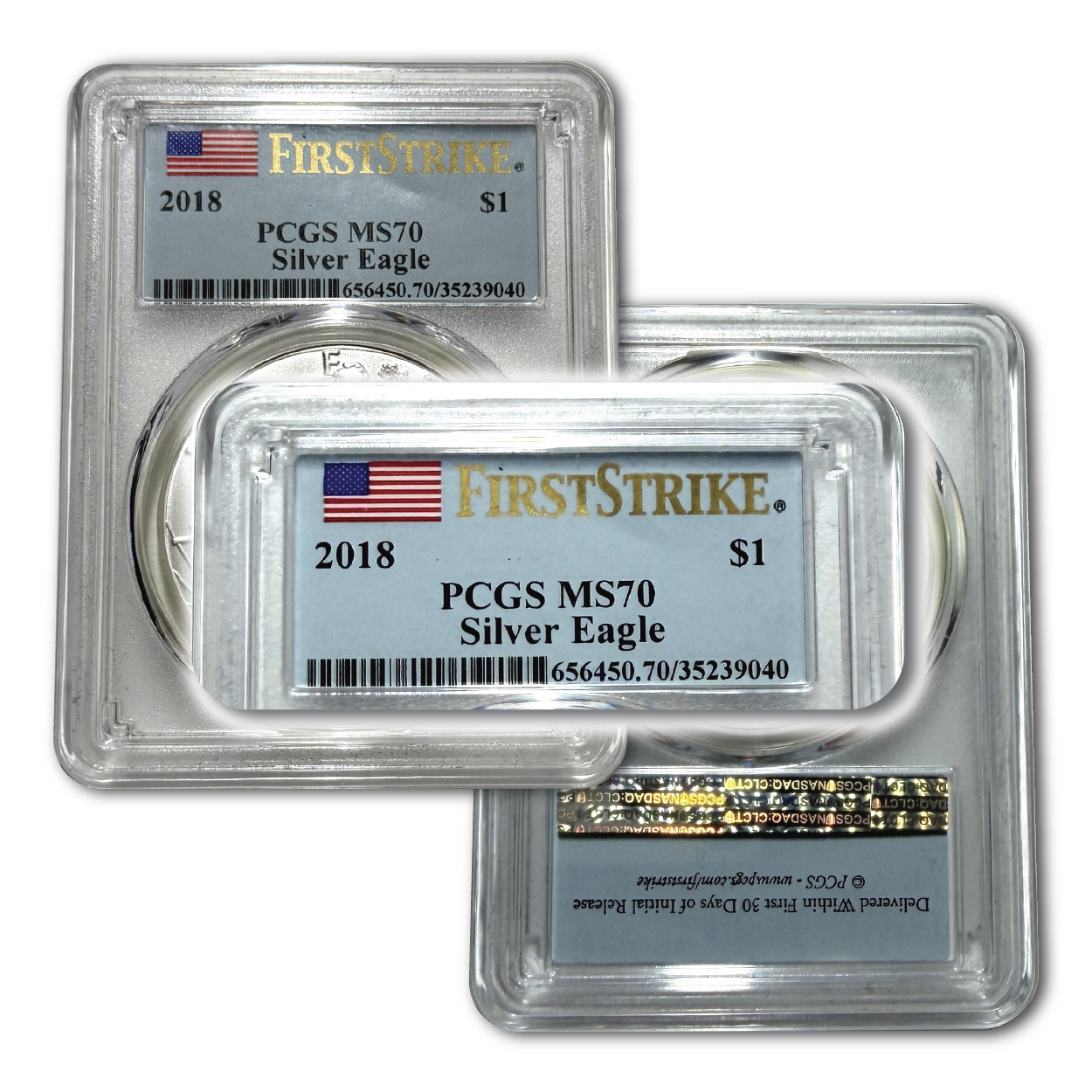
Fake slabs now exist, and they are getting better. That means you’re not just verifying the coin — you’re verifying the entire package.


If a coin is certified:

  • Check the certification number directly on the grading service’s website
  • Look closely at the holder’s construction and label
  • Pay attention to holograms and printing quality


If anything doesn’t match — stop.


Because a real coin in a fake holder… is still a problem.


A Simple Way to Think About It


You don’t need to become an expert overnight. You just need to build one habit: Pause and verify before you commit.

  1. Look at the basics.
  2. Check the edge.
  3. Study the details.
  4. Confirm the holder.


✅ If everything lines up, move forward.

❌ If something doesn’t — that’s your signal to slow down.


The Larger Principle


Authentication is not about fear... It’s about discipline.


A single counterfeit coin can distort the value of a collection, create problems during resale, and damage trust in future transactions. Collectors who take the time to verify what they’re buying don’t just protect their money. They protect their reputation.


In numismatics, trust drives liquidity. Coins that are understood, verified, and confidently represented move more easily through the market. Authentication is what makes that possible.


It ensures that what you own — and what you sell — stands on solid ground.

And in a market built on confidence, that clarity is one of the most valuable assets a collector can have.