
Coin Collecting Does Not Stop at U.S. Borders
As collectors expand into world coins — British sovereigns, German thalers, Canadian silver dollars, Australian proofs —
they quickly discover something important: Grading language changes. Standards vary. And interpretation matters.
At first, this can feel confusing. A coin described as “Extremely Fine” in one market may not align perfectly with what a U.S. collector expects. An “Uncirculated” coin in one country may show characteristics that would raise questions in another.
But beneath those differences, something consistent remains. Collectors around the world are often evaluating the same physical traits — wear, detail, luster, strike, and surface preservation — but describing and valuing them through different traditions.
Understanding those differences does more than prevent mistakes. It gives you an advantage.
The U.S. System vs. The Adjectival System
In the United States, grading has largely standardized around the 1–70 Sheldon Scale, where even small differences in condition are expressed numerically.
In much of the world, however, coins are still described using adjectival grading, including:
- Fine (F)
- Very Fine (VF)
- Extremely Fine (EF or XF)
- Uncirculated (UNC)
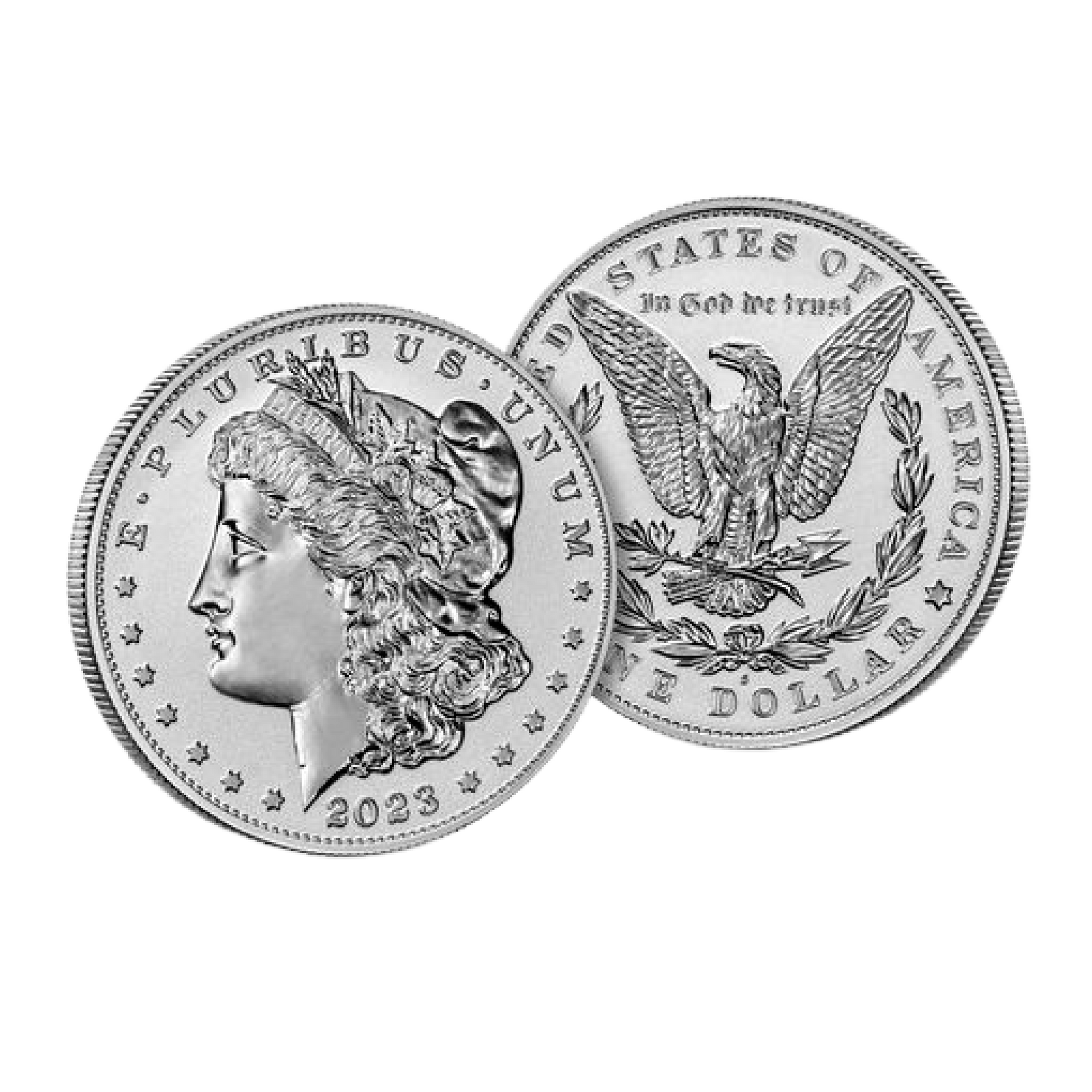
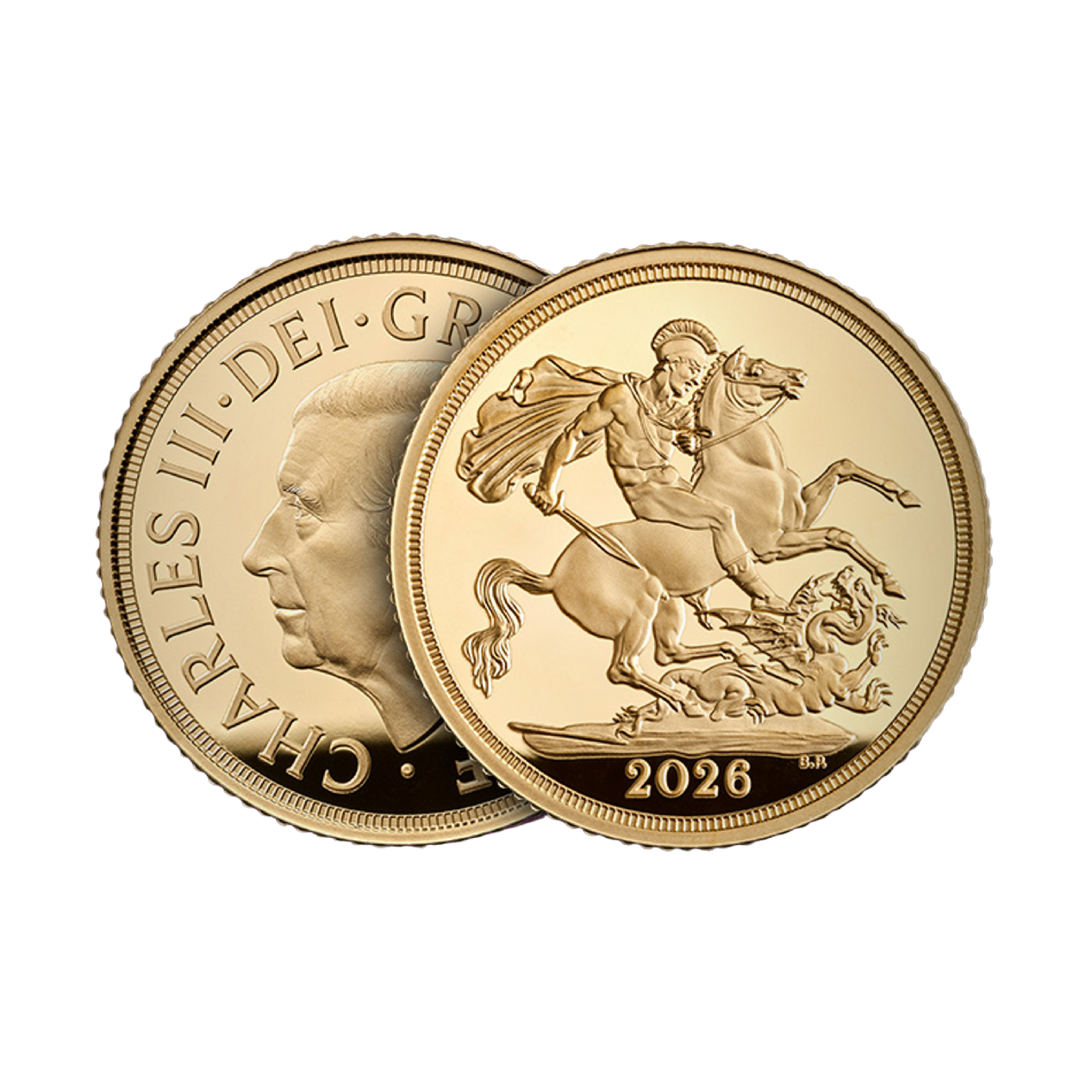
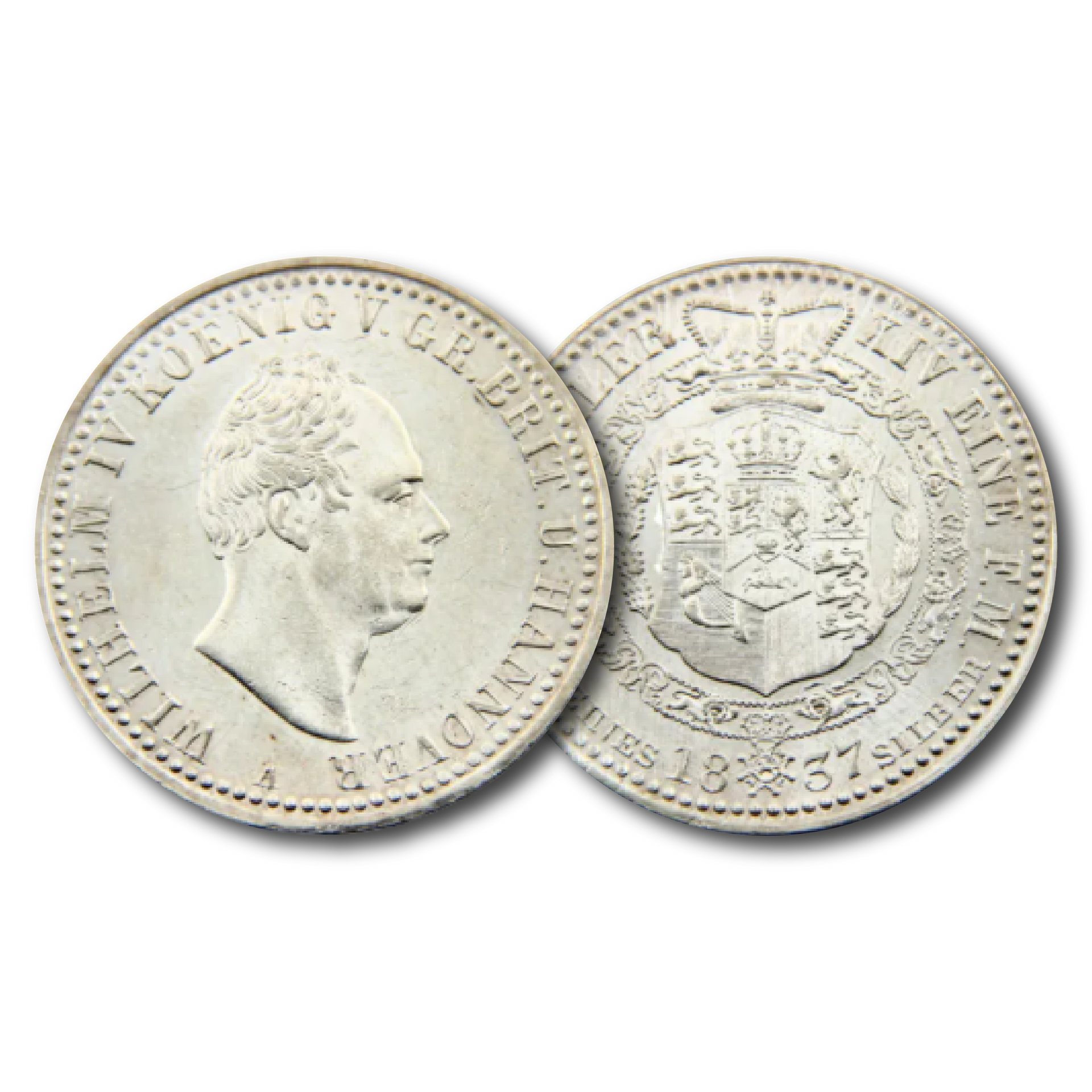
At first glance, these systems seem easy to translate. But in practice, they don’t always line up cleanly.
A European “UNC” coin may not match a U.S. Mint State coin in the way a beginner might expect. In some markets, the term may allow for extremely light handling or cabinet friction. In others, the interpretation may be stricter.
The important point is this: These terms are not exact conversions — they are interpretations shaped by local market standards.
What Actually Stays the Same
While grading language varies, the underlying evaluation does not.
Across nearly all markets, serious collectors are still looking at:
- How much wear the coin shows
- How much detail remains
- Whether original luster is intact
- The quality of the strike
- The condition of the surfaces
- The coin’s overall eye appeal
⭐ That is the common ground. The language changes. The coin does not. This is one of the most important ideas to understand when collecting internationally.
Mint State vs. Uncirculated — Not Always Identical
One of the most common areas of confusion is the difference between Mint State and Uncirculated.
In the U.S. system, Mint State is strict:
- No wear
- Original surfaces intact
In some international markets, “Uncirculated” can be slightly more flexible:
- very light handling
- cabinet friction
- minor surface disturbance
This difference often comes from how coins were historically stored and collected — particularly in older European collections.
- It doesn’t mean one system is right and the other is wrong.
- It means they evolved differently.
- For higher-value coins, these distinctions become more important — and more noticeable in pricing.
Proof Coins Worldwide
Proof coins are another area where assumptions can break down. Many countries produce proof coins with:
- polished dies
- reflective fields
- sharp detail
But “proof” does not mean flawless.
Across all markets, proof coins can still show:
- hairlines
- handling marks
- storage damage
- surface haze
The manufacturing process may be consistent.
The condition is not guaranteed.
That is why grading discipline still applies — regardless of where the coin was made.
Market Familiarity and Liquidity
This is where grading moves beyond theory and into real-world behavior.
Markets tend to reward what they understand.
In the United States, coins graded within a familiar system — particularly certified coins — tend to trade with strong liquidity. Buyers know what they are looking at, and confidence is higher.
With world coins, the situation can be different.
A coin may be rare, well-preserved, and historically significant — but if fewer buyers understand the series or grading context, it may trade more slowly or at a discount.
⭐ That creates two realities:
- Risk for collectors who misinterpret grading across markets
- Opportunity for those who understand it
Collectors who can evaluate coins across different grading traditions are often better positioned to recognize value where others hesitate.
The Role of Standardization
As the coin market has become more global, there has been a growing influence of third-party grading services.
Many world coins are now certified using numerical grading systems to:
- reduce ambiguity
- improve consistency
- and increase market confidence
But this does not replace traditional grading systems.
It exists alongside them. Collectors still need to understand both — especially when evaluating coins across different regions.
There is no single global grading standard. What exists instead is a shared set of principles — interpreted through different languages, traditions, and market expectations.
The most effective collectors do not rely on one system alone. They learn to recognize:
- what the coin is
- how it has been preserved
- and how different markets are likely to interpret it
Because in the end, grading is not just about assigning a label. It is about understanding how that label will be read, trusted, and valued — wherever the coin is bought or sold.