
Modern commemoratives are everywhere now—and not just in the hobby. They show up in newspapers, on social media, and in gift shops. Some are genuinely thoughtful pieces of numismatic art. Others are marketing exercises wrapped in metal.
The challenge for collectors isn’t finding commemoratives. It’s answering the question that matters:
Will this coin still make sense five years from now—when the hype is gone and only real demand remains?
This guide gives you a practical way to sort the grounded from the gimmick, with real examples you’ll recognize.
Why Modern Commemoratives Divide Collectors
Modern commemoratives move fast and loud. The release cycle is constant, the packaging is glossy, and the “limited” labels come in a dozen flavors.
Collectors tend to split into two camps:
- The “no thanks” crowd, burned by overproduction and quick fades
- The “selective buyer” crowd, who treat modern commemoratives like a curated shelf: a few great pieces, not everything
Both camps are reacting to the same reality: the modern commemorative market is not one market—it’s three.
The Three Modern Commemorative Markets (Know Which One You’re In)
1) Circulating commemoratives (the “real coin” lane)
These are coins meant to circulate (or at least capable of it). If they’re scarce enough and people pull them from change, they can build a real collector following.
A “headline” example:
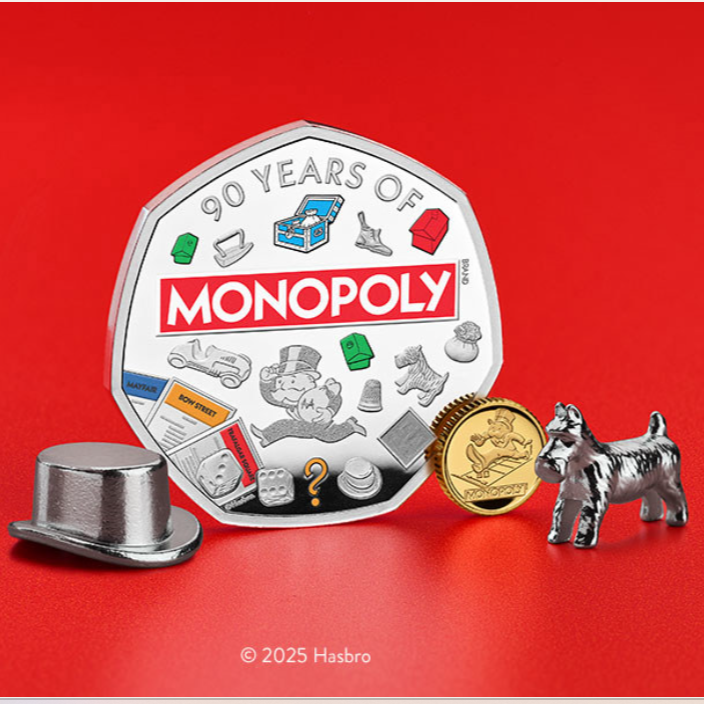
Royal Mint’s MONOPOLY 50p (2025) — launched as a collectible issue and promoted with a large public coin hunt campaign. It’s a perfect example of modern pop culture meeting mainstream attention.
Why this lane can endure: broad awareness + everyday discoverability.
2) National mint collector series (the “serious modern collector” lane)
These are non-circulating legal tender (NCLT) issues sold directly to collectors. They can be excellent—especially when the issuing mint runs a consistent, well-designed series with reasonable mintages.
Headline-grade examples:
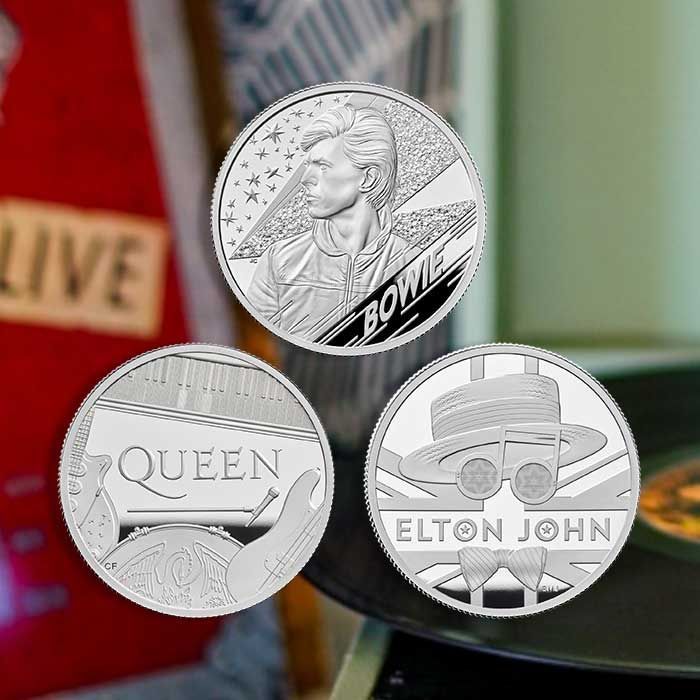
The Royal Mint’s Music Legends series (Queen, David Bowie, Paul McCartney, Freddie Mercury, etc.)—a pop culture series, but produced by a national mint and built as an ongoing collector line.
Why this lane can endure: series continuity + strong buyer base + recognizable theme.
3) Licensed pop culture “product drops” (the risky lane)
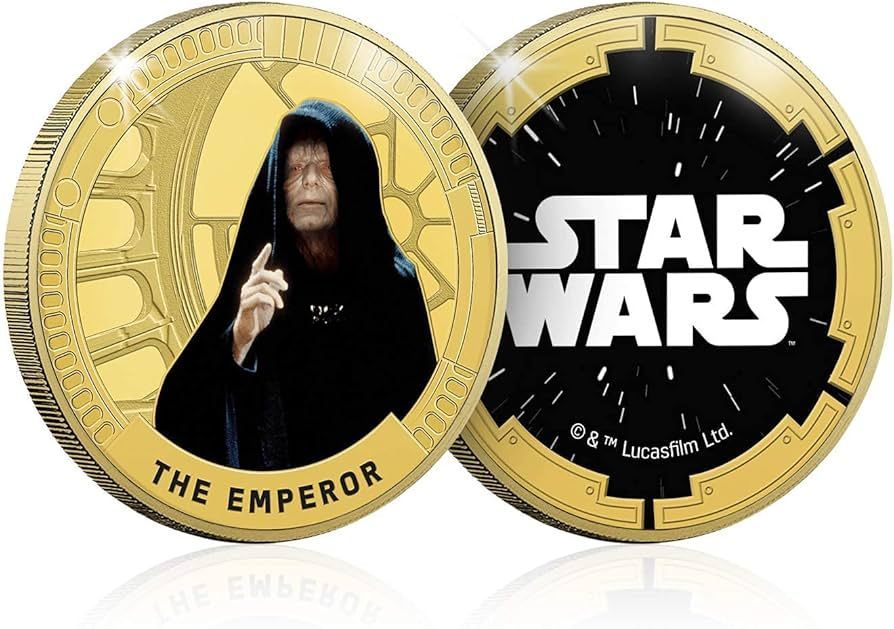
This is where collectors get burned. Not because pop culture is bad—because some issues are engineered for urgency rather than long-term collecting.
The question here isn’t “Do I like it?” It’s:
Is there a collector base beyond the first wave of fans?
Top Modern Commemorative Series Worth Following
| Series | Issuer | Why collectors follow it | Best “entry” version to buy | Watch-outs (how people overpay) |
|---|---|---|---|---|
| Music Legends | The Royal Mint (UK) | A true crossover series: strong designs + a built-in fan base (music) + ongoing releases with long-term set-building appeal. (Royal Mint) | Standard BU/standard proof in silver (avoid chasing top-tier gold unless you collect that tier). | Variant overload (colored proofs, premium packaging). Buy for the set, not the flash. |
| Six Decades of 007 | The Royal Mint (UK) | A structured “one-per-era” collection—clear framework, strong theme, and easy to understand as a complete set. (Royal Mint) | Standard silver BU or standard proof (whichever you collect consistently). | Paying extra for numbered editions / reseller markups when standard issues are still available. |
| UK 50p Character Coins (Paddington, etc.) | The Royal Mint (UK) | Modern UK collecting “gateway drug”: widely recognized themes, lots of casual demand, and real set-building energy. (Royal Mint) | Brilliant Uncirculated (BU) versions (clean, consistent). | Don’t confuse “popular” with “rare.” Many are common; condition drives value. |
| UK 50p Key Rarities (the “benchmark” pieces) | The Royal Mint (UK) | The Kew Gardens 50p is often cited as a modern UK rarity benchmark, showing how circulating commemoratives can develop long-term demand. (Royal Mint) | If you buy, focus on authenticity + honest grade (circulated vs BU matters). | “Too good to be true” listings and inflated asking prices. |
| Animal Portraits (1 oz silver series) | Royal Canadian Mint (Canada) | Strong modern engraving, clear series structure, stated mintages, and broad collector appeal beyond hardcore numismatists. (https://www.mint.ca/en-us) | 1 oz standard series coins (not giant premium formats). | Overspending on deluxe packaging instead of focusing on the core series run. |
| Australian Lunar Series III | The Perth Mint (Australia) | A global collector base, strong annual rhythm, and cultural relevance that travels well internationally. (Perth Mint) | Standard 1 oz silver (or gold) bullion/BU depending on your lane. | Chasing every format (proof, gilded, kilo, sets). Pick one lane and complete it. |
| Myths and Legends (Robin Hood / King Arthur / Beowulf) | The Royal Mint (UK) | Built like a modern “story set” with consistent theme, strong art direction, and an audience that goes beyond coin collectors. (Royal Mint) | Standard silver BU/bullion for the core run (clean and consistent). | Buying every sub-collection and edition; stick to the main narrative line. |
The Collector Filters That Actually Work
If you want a “do I buy this?” tool that holds up, use these four filters. The best modern issues usually pass three out of four.
Filter 1: Does it have lasting relevance?
Wildlife, national history, major anniversaries, and cultural institutions tend to age well. One-season memes and short-lived licensing rarely do.
Example of enduring relevance:
National mint wildlife programs and themes remain consistently popular because nature doesn’t go out of style. The Perth Mint actively builds collector lines around Australian wildlife.
The Royal Canadian Mint runs frequent animal-themed collector issues with published mintages—often as part of series collecting.
Filter 2: Is the design strong even without the story?
If you cover the caption and it still looks like a great coin, that’s a good sign.
A strong design doesn’t need a paragraph to “explain why it matters.”
Filter 3: Is mintage disciplined and transparent?
Collectors can forgive a high mintage if the coin is meant to be common. What they don’t forgive is:
- vague scarcity language
- endless “variants”
- constant reissues that undercut earlier buyers
Mints that publish clear mintages and manage series releases help collectors make rational decisions—like the Royal Canadian Mint’s “Animal Portraits” issues with stated limited mintages.
Filter 4: Is the buyer base bigger than the initial launch?
A coin can succeed because it has:
- a deep collector base (numismatists)
- a deep fan base (music, sports, pop culture)
- or both
When it’s both, demand tends to be more resilient—one reason the Royal Mint emphasizes broad global reach for its Music Legends program.
Examples That Illustrate “Grounded vs. Gimmick”
Here’s a collector-useful way to think about it. Grounded modern commemoratives usually look like this:
- A coherent series (so collectors can build sets)
- A clear theme (music legends, wildlife, national anniversaries)
- Good design discipline (not 12 versions per release)
- Transparent mintages (or at least consistent production logic)
Examples:
- Royal Mint Music Legends (ongoing, recognizable, collectible series).
- Royal Canadian Mint animal-themed collector issues with stated mintages and series structure.
- Perth Mint’s wildlife collector ranges as a consistent thematic output.
Gimmick commemoratives usually look like this:
- “Limited” without clear mintage context
- Too many variants (colorized, gilded, different packaging, privy marks)
- A theme that can’t support long-term collecting after the initial excitement
- Pricing that assumes future demand instead of earning it
This doesn’t mean “never buy.” It means buy as enjoyment, not as strategy.
Wildlife & Heritage Coins Often Age Better (Here’s Why)
Collectors tend to be right about this: wildlife and heritage themes often outlast pop culture.
Why?
- They remain relevant across generations
- They appeal internationally (not tied to one market)
- They don’t suffer licensing fatigue
Even in circulating modern UK coin culture, you can see how a strong theme and scarcity can keep a coin in collector conversations for years. The Royal Mint still highlights circulation rarity stories such as the 2009 Kew Gardens 50p as a key modern collectible.
A Practical Checklist You Can Use Before Buying
Before you buy any modern commemorative, ask:
- Would this coin still matter if the theme faded?
- Is the design strong without explanation?
- Is the mintage clear and reasonable?
- Is the premium fair compared to similar issues?
- Is there a real collector base beyond the launch?
- Am I buying this for enjoyment or for strategy—and am I honest about which?
If the answers are fuzzy, waiting is rarely a mistake.
How Serious Collectors Buy Modern Commemoratives (Without Regret)
A mature, disciplined approach looks like this:
- Pick lanes. (One or two series you follow, not everything.)
- Buy early, not late. Early purchases are often calmer than peak hype pricing.
- Avoid variant overload. Stick to the “standard” version unless a variant clearly has collector demand.
- Document what you bought and why. A simple note helps later: “Bought because it completes series / low mintage / great design.”
This is how modern commemoratives become a satisfying part of a collection instead of an expensive pile of “oops.”