
Walking into a coin show for the first time feels a little like stepping onto the trading floor of a market that’s been running for more than a century. There’s energy. There’s movement. There’s the quiet intensity of collectors studying surfaces under bright lights. And there’s the unmistakable thrill of knowing that somewhere in that room, a coin you’ve been hunting for might finally be within reach.


Coin shows reward the collector who arrives prepared. Not rigid. Not scripted. Just ready—ready to evaluate coins in real lighting, ready to talk with knowledgeable dealers, ready to make decisions grounded in confidence instead of impulse.

This guide is about that readiness. Consider it the checklist long-time collectors wish they’d had on day one.


START WITH A PLAN- Even a Simple One


Before you head to the show, take a few minutes and write down:

  • What you’re actually looking for
  • The grades you prefer
  • The maximum you’re willing to pay
  • A short list of series you want to explore

This isn’t limiting—it’s freeing. When you know your priorities, the show stops feeling overwhelming and starts feeling like opportunity.


If you’re heading to a major event like the FUN Show in Orlando, your plan shouldn’t just cover what you want to buy. It should also cover what you want to see:

  • Block time for Heritage auction lot viewing
  • Pencil in one or two educational seminars
  • Make a note to catch the Spider Press demo or elongated coin maker
  • Leave room for the exhibit area, especially the paper money displays

The show floor moves quickly. If you don’t schedule these experiences, they’re easy to miss.


And bring a budget. Good collectors don’t “wing it.” They decide in advance what they’re willing to spend and keep themselves honest.



WHAT TO BRING: TOOLS OF A PREPARED COLLECTOR


You don’t need a briefcase or a dealer-level setup. Just bring the tools that give you control:

  • A reliable loupe (5x–10x)
  • A small LED flashlight
  • A secure pouch or holder for purchases
  • A simple reference list or price guide (digital or print)
  • Multiple payment options (cash + card, and checks if you use them)
  • A charged phone or small camera

That last one matters more at a show like FUN. It’s not just for photographing coins (always ask a dealer’s permission first). It’s for quickly capturing:

  • Exhibit details, like “Paper Money, Portraits of History” labels
  • Displays such as the 650 Kentucky Nationals or serial number 1 New York notes
  • Moments with reenactors like “Ben Franklin” or “Abe Lincoln”
  • Souvenir items you create, like elongated coins

These items aren’t about looking the part—they’re about seeing clearly, remembering what you learned, and making decisions with confidence.


GRADED VS. RAW COINS: KNOW WHEN EACH MAKES SENSE


Shows are the best place to compare coins directly. That’s where many collectors start to understand the real difference between buying online and buying in person.


Buy graded when:

  • The price jumps sharply between grades
  • You’re shopping for key dates
  • You want authentication certainty
  • You’re thinking about long-term resale or registry sets

Buy raw when:

  • You’re comfortable evaluating surfaces and originality
  • You’re exploring lower-cost pieces
  • You spot an exceptional example that stands out from the rest

Some of the best show finds are raw coins that photograph poorly but look outstanding in hand. A few minutes at a case can reveal value that a flat, washed-out image never would.


EVALUATING COINS UNDER SHOW LIGHTING


Show lighting is honest—sometimes brutally honest.


Tilt the coin. Move it slowly. Watch how luster breaks across the fields.


Check the rims. Study the devices. Look for the mark that changes the grade—or the subtle detail that elevates the coin.


A loupe is valuable, but don’t bury your face in it. Start with your eyes first. If the coin impresses you before magnification, you’re already on the right track.


This is where in-person buying shines. The coin tells you the truth immediately.


TALKING WITH DEALERS: DIRECT, CLEAR, AND RESPECTFUL


Every collector—whether brand new or deeply seasoned—improves their show experience when they know how to talk with dealers.


A simple, confident approach works best:

  • “I’m looking for AU-58 Barber halves.”
  • “Do you have any toned Morgans in MS-64?”
  • “I’m building a type set—could I see what you have that might fit?”

Dealers appreciate clarity. They appreciate collectors who respect their time. And most of all, they appreciate serious buyers who know what they want but are open to learning.


Negotiation is normal. A respectful, straightforward approach—explaining why a price adjustment makes sense—goes much farther than aggressive haggling.


SUBMITTING COINS FOR ON-SITE GRADING


If you’ve never submitted coins at a show, you’re missing one of the most practical advantages of attending.


At many larger conventions, you can submit directly to major grading services:

  • No packing and mailing
  • No wondering where a package is in transit
  • No waiting weeks just for intake

The process is straightforward:

  1. Fill out the submission form
  2. Hand the coins to the grading representative
  3. Pay the grading fees
  4. Pick them up later (when available) or receive them by mail

For collectors with raw gold, key dates, inherited coins, or borderline pieces, the combination of speed, security, and clarity is often worth the trip by itself.


SECURITY: QUIET AWARENESS WINS


Coin shows themselves are generally well-run and secure. The bigger risk is everything that happens between the show and home.


Basic rules that matter:

  • Keep your bag zipped and close
  • Don’t lay purchases out in public spaces
  • Never leave coins in a car
  • Use a hotel safe when possible
  • Move with purpose when leaving the venue

This isn’t about fear. It’s about treating security as part of the hobby—just like storage and insurance at home.


HOW TO MOVE THROUGH THE BOURSE WITHOUT BURNING OUT


Large conventions can feel overwhelming if you attack them aisle by aisle without a plan.


A better strategy:

  1. Walk the floor once without stopping to get the lay of the land
  2. Identify the dealers who matter most to your goals
  3. Start with your priorities while your eyes and mind are fresh
  4. Take short breaks—judgment suffers when fatigue sets in
  5. Circle back only after you’ve seen the room

At larger shows, it’s easy to spend an entire day in dealer aisles and realize you never made it to the exhibits, seminars, or demonstrations. Treat those areas as destinations—not afterthoughts.


A simple framework works well:

  • One buying lap focused on your want list
  • One learning lap focused on education and exhibits

You’ll leave with better coins and a deeper understanding of the hobby.


PRICING AT A SHOW IS ITS OWN ECOSYSTEM


You’ll see prices above and below online listings. Both are normal.


  • Coins with exceptional eye appeal command premiums
  • Coins that haven’t been fully evaluated sometimes sell for less
  • Specialists often price close to recent auction results
  • Dealers with deeper inventories may have more flexibility

That’s the strength of a show: you’re not guessing at market reality—you’re standing in the middle of it. After a few hours of comparison, fair pricing becomes easier to recognize.


AVOIDING THE IMPULSE TRAP


The energy of a large, high-activity show can push collectors into fast decisions.

Before you say yes, ask yourself:


“Will I be happy with this coin when I get home and the room is quiet?”


If you hesitate, step away. Take a walk. Look at something else. The right coin will still feel right after a pause. The wrong one will start to bother you almost immediately.


Good collecting isn’t about buying because you’re at a show. It’s about using the show to find the coins that truly belong in your collection.


The Bottom Line is... A Better Show Starts With a Better Plan

Coin shows reward the collector who arrives focused, prepared, and curious. The more ready you are, the more you’ll enjoy the comparisons, the conversations, and the unexpected discoveries.


Big conventions move fast. They offer opportunities you don’t want to miss—but only if you arrive with a plan, the right tools, and a clear head.


What This Looks Like at the FUN Show

At a major convention like the 71st Annual FUN Show in Orlando, everything outlined above comes into sharp focus.


With hundreds of dealer booths, a major Heritage auction, extensive exhibit space, multi-day educational programming, and dedicated activities for younger collectors, FUN operates at a scale that rewards preparation. Planning your time, managing fatigue, knowing when to slow down, and recognizing when not to buy become even more important.


Whether you’re navigating a crowded bourse, reviewing auction lots, stepping away to attend a seminar, or deciding when to walk away from a tempting coin, the principles in this guide are what allow collectors to enjoy a show of this size without feeling overwhelmed.


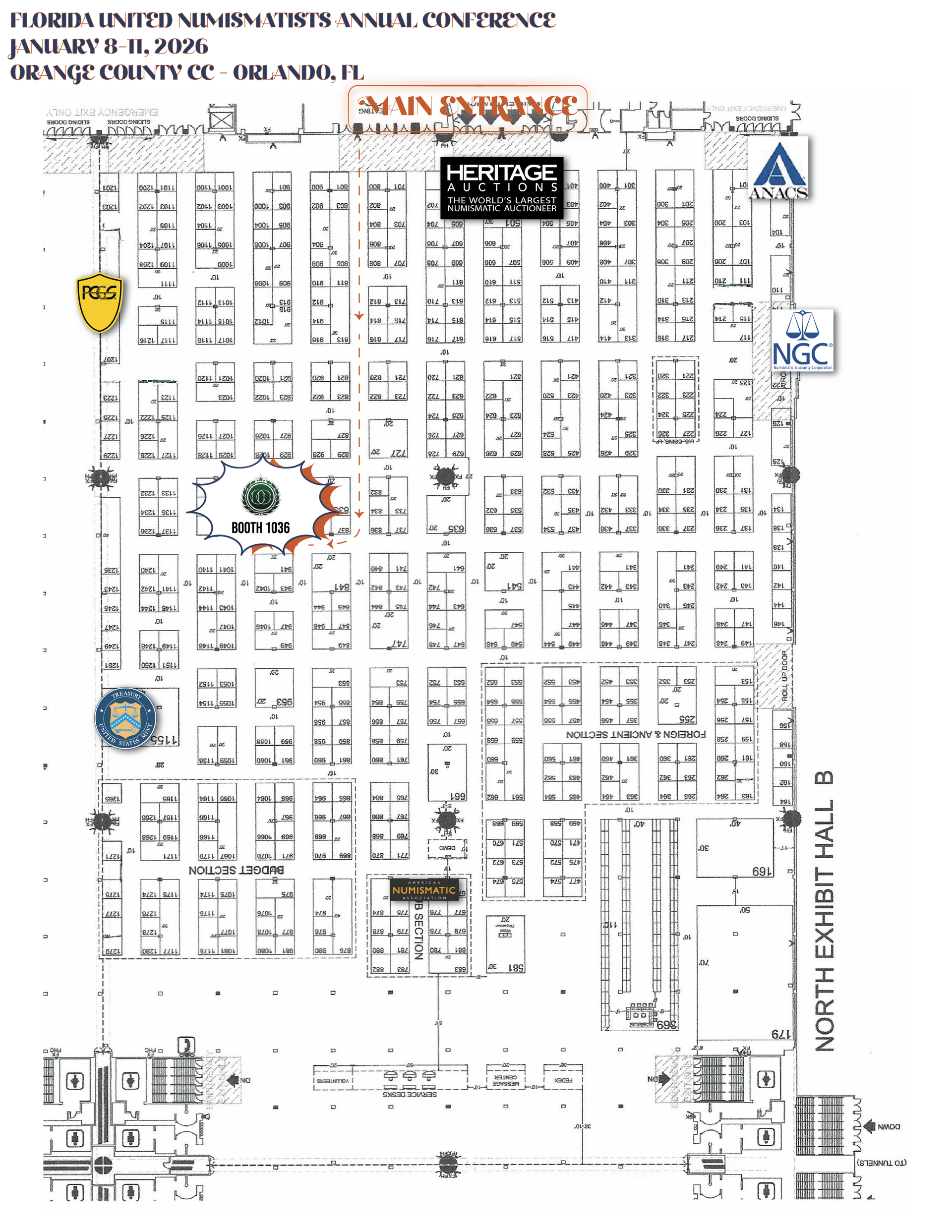
CoinCollecting.com will be on-site throughout the show at Booth 1036, and we look forward to connecting with fellow collectors on the bourse floor.


CoinCollecting.com will also be on-site throughout the show at Booth 1036, and we look forward to connecting with collectors on the bourse floor.