
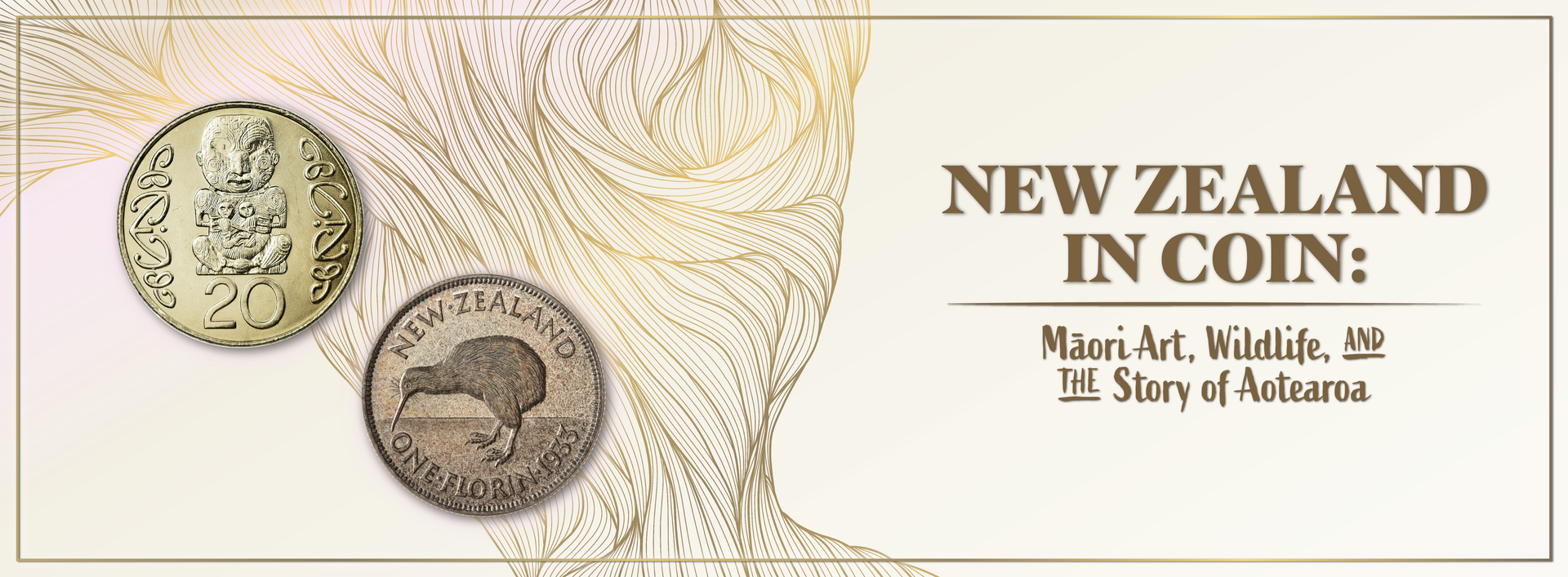
New Zealand’s coins feel different almost immediately.
Where many world coins lean into power, monuments, or heraldry, New Zealand’s coinage is grounded in place—its landscapes, wildlife, and the visual language of Māori culture. Instead of projecting authority, these designs tell stories. And that storytelling is exactly what draws collectors in.
This article explores how New Zealand’s coin designs reflect Aotearoa itself, how Māori art shapes modern issues, and which New Zealand coins world-coin collectors tend to study more closely.
Aotearoa in Metal: Why New Zealand Coins Feel Distinct
“Aotearoa,” the Māori name for New Zealand, is often translated as the land of the long white cloud. That sense of geography—of land, sky, and environment—is not incidental. It carries directly into the country’s coinage.
Rather than relying on abstract symbols or heavy heraldry, New Zealand coins frequently feature:
- Native birds and animals tied closely to national identity
- Indigenous patterns and motifs drawn from Māori visual tradition
- Landscapes and natural elements rather than monuments
- Clean, modern compositions that allow the artwork to breathe
For collectors, this approach creates coins that feel immediately recognizable and emotionally grounded. They don’t require explanation to resonate—they feel authentic to place.
Denominations and Metals: What Collectors Actually Encounter
For collectors, New Zealand coinage generally appears in two distinct forms, each serving a different purpose and audience.
Circulation coinage is struck primarily in base metals and designed for everyday use. Modern New Zealand circulation coins typically include denominations such as:
- 10 cents
- 20 cents
- 50 cents
- $1 and $2
These coins emphasize clarity, durability, and symbolism rather than spectacle. As a result, they appeal most to type collectors, world-circulation specialists, and those interested in design evolution over time rather than precious metal content.
By contrast, collector and commemorative issues are where New Zealand’s designs become more expressive. These coins are most commonly encountered as:
- 1 troy ounce silver issues, typically .999 fine
- Select gold issues in standard bullion-style weights
- Occasional larger or specialty formats aimed at advanced collectors
Understanding this distinction is critical. Circulation coins tell the everyday story of New Zealand, while silver and gold collector issues are where Māori art, wildlife themes, and modern engraving techniques are fully explored.
Collectors who recognize these as separate lanes tend to make better buying decisions—and avoid expecting bullion behavior from coins that were never intended to function that way.
Māori Art and Pattern: Design With Purpose
One of the most important influences on New Zealand coinage is Māori visual tradition, and its use is deliberate rather than decorative.
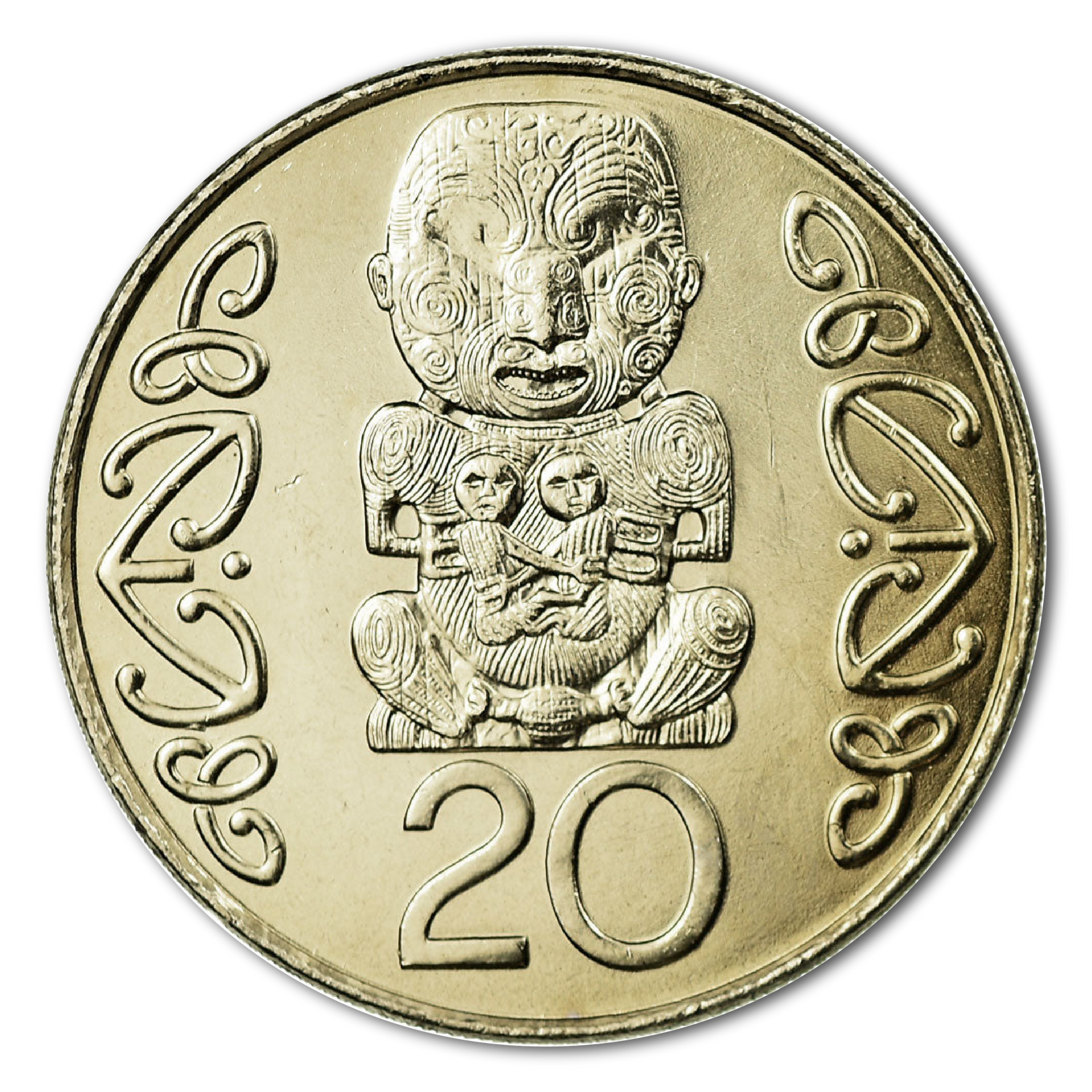
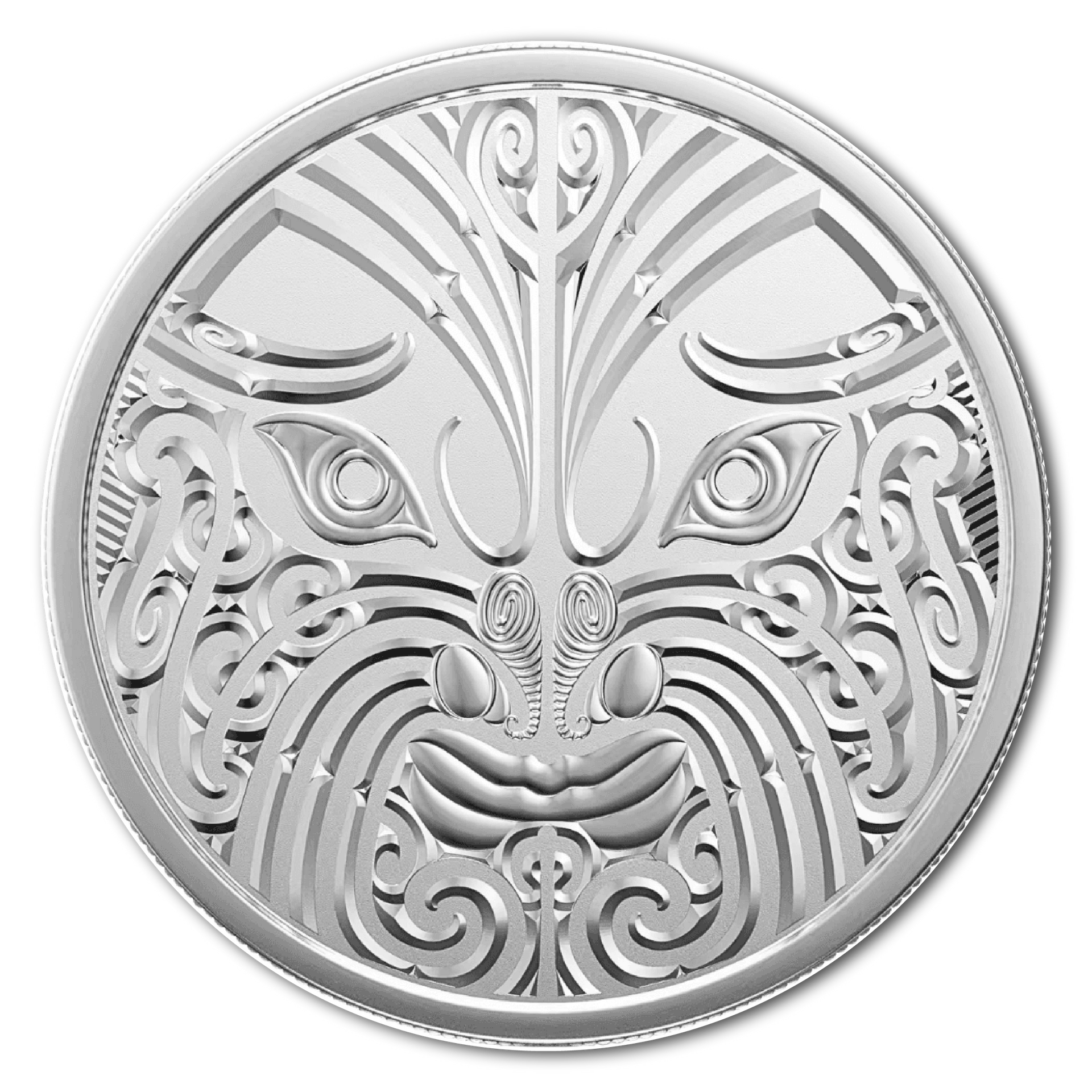
Māori design elements—such as koru spirals, manaia figures, and woven or flowing motifs—carry layered meaning connected to ancestry, continuity, and the natural world. On coins, these elements are typically applied with restraint.
They most often appear:
- Integrated into fields or borders rather than dominating the design
- Used to frame wildlife or national symbols
- Applied as texture and movement instead of literal imagery
When executed well, this approach respects cultural origins while adapting them to modern minting standards. For collectors, that restraint adds depth—these coins reward closer inspection rather than instant spectacle.
Wildlife as National Identity
If you know New Zealand coins, you know the birds.
The Kiwi
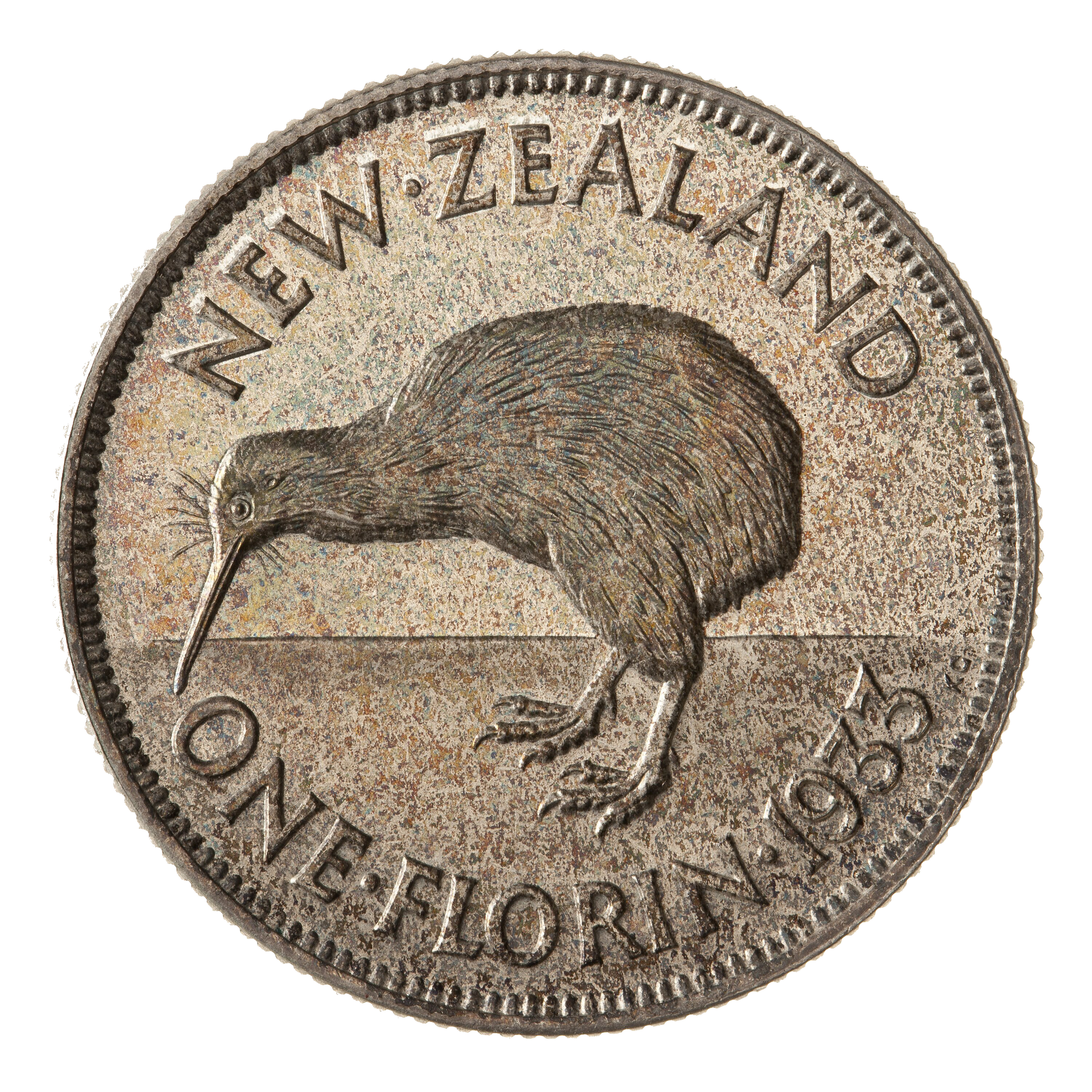
The kiwi functions as more than wildlife—it’s national shorthand. Its appearance on New Zealand coins signals identity immediately, much like the maple leaf does for Canada. Collectors recognize it at a glance.
Beyond the Kiwi
New Zealand coinage also features:
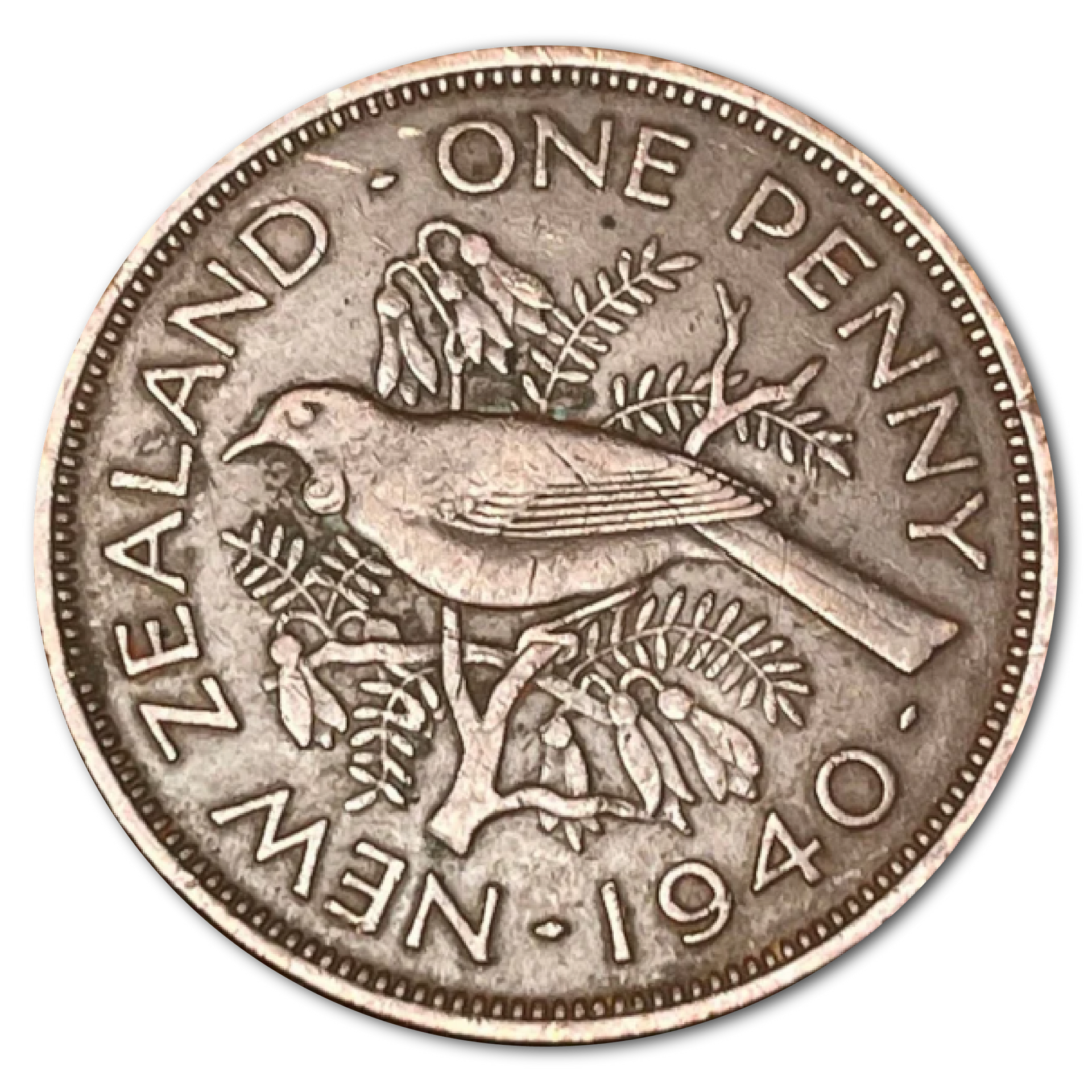
The tūī
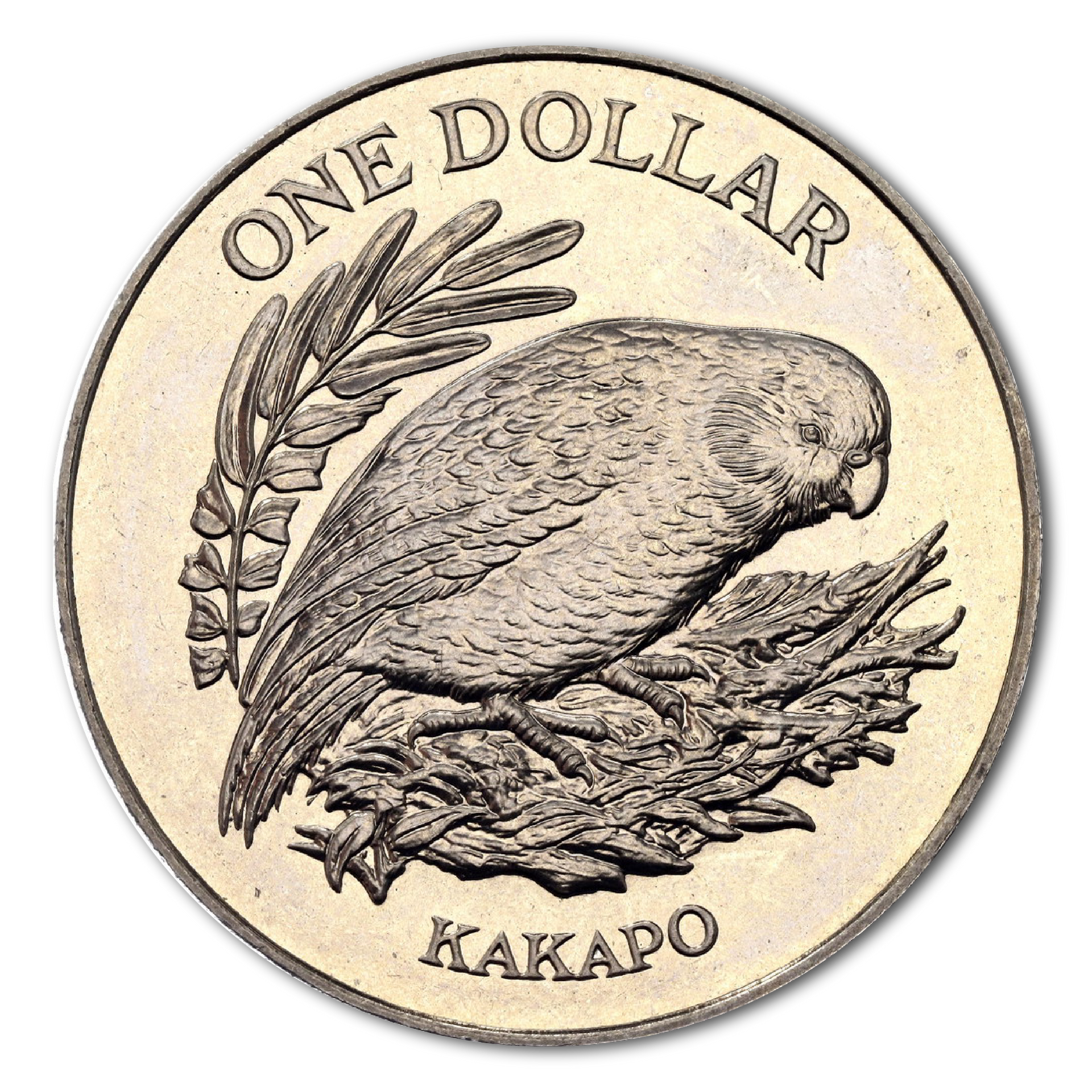
The kākāpō
Marine life unique
to New Zealand waters
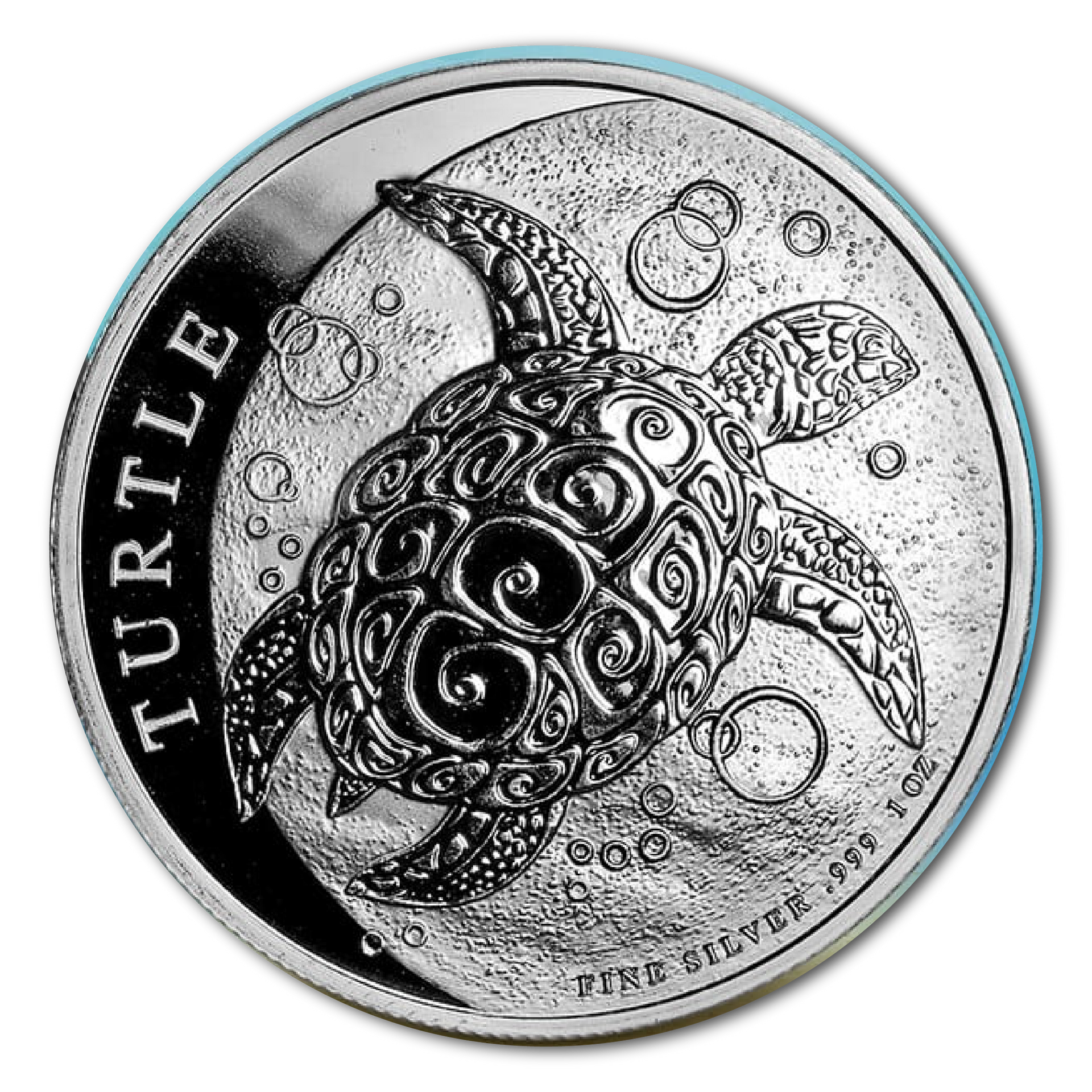
These designs appeal strongly to collectors who value natural history themes, especially when paired with high-quality engraving and uncluttered layouts. Unlike novelty wildlife coins produced elsewhere, New Zealand’s approach tends to feel observational rather than stylized.
Modern Coinage and International Production
New Zealand does not operate a large-scale domestic mint in the traditional sense. Instead, many modern New Zealand coins—particularly commemorative and collector issues—are produced through partnerships with established international mints and specialist producers.
This production model has resulted in:
- Consistently high technical quality
- Sophisticated engraving and finishes
- Mintages that are generally lower than mass-market bullion programs
For collectors, this makes discernment essential. Not every modern commemorative will develop lasting interest, but the strongest New Zealand issues tend to combine:
- Cultural relevance
- Clear design intent
- Sensible production limits
Coins that meet all three criteria tend to age far better than those created for short-term attention.
Circulation Coins vs. Collector Issues: Two Separate Lanes
New Zealand’s circulation coins are typically understated, focusing on function and symbolism rather than visual impact. These coins appeal to:
- Type collectors
- World-circulation specialists
- Collectors studying design transitions over time
By contrast, collector and commemorative issues allow for far more expressive design—particularly when Māori motifs or wildlife themes take center stage. Experienced collectors treat these as a separate lane entirely, evaluating them more like modern art objects than everyday money.
Keeping those lanes distinct helps collectors avoid confusion—and overbuying.
Which New Zealand Coins Do Collectors Watch Closely?
Rather than chasing every release, seasoned world-coin collectors typically focus on:
- Early modern issues that marked design or production transitions
- Coins where Māori art is integrated thoughtfully, not applied superficially
- Wildlife series with consistent artistic direction
- Issues tied to national milestones rather than pop culture
As with Australian and Canadian modern coinage, restraint matters. New Zealand’s strongest pieces are the ones that feel authentic to place—not engineered for quick buzz.
Where New Zealand Coins Fit in a World Collection
New Zealand coins occupy a distinctive niche.
They’re not bullion-first, and they’re not aggressive investment vehicles. Instead, they appeal to collectors who value:
- Cultural storytelling
- Design integrity
- A strong sense of place
In a broader collection, New Zealand coins pair naturally with:
- Australian wildlife series
- Canadian nature-themed issues
- Select modern Commonwealth pieces
They add texture and perspective—reminding collectors that coins can be both objects of value and carriers of identity.