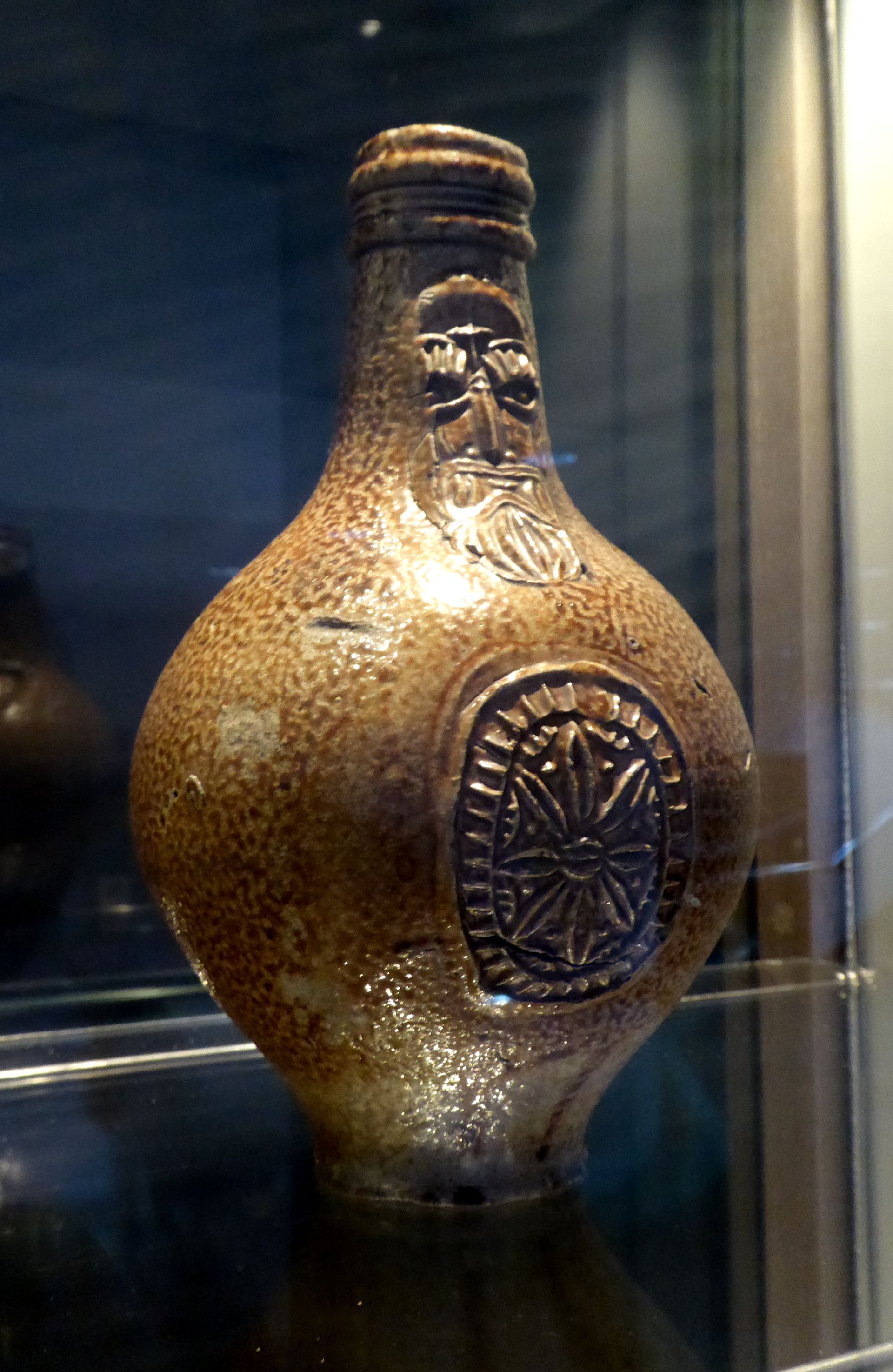
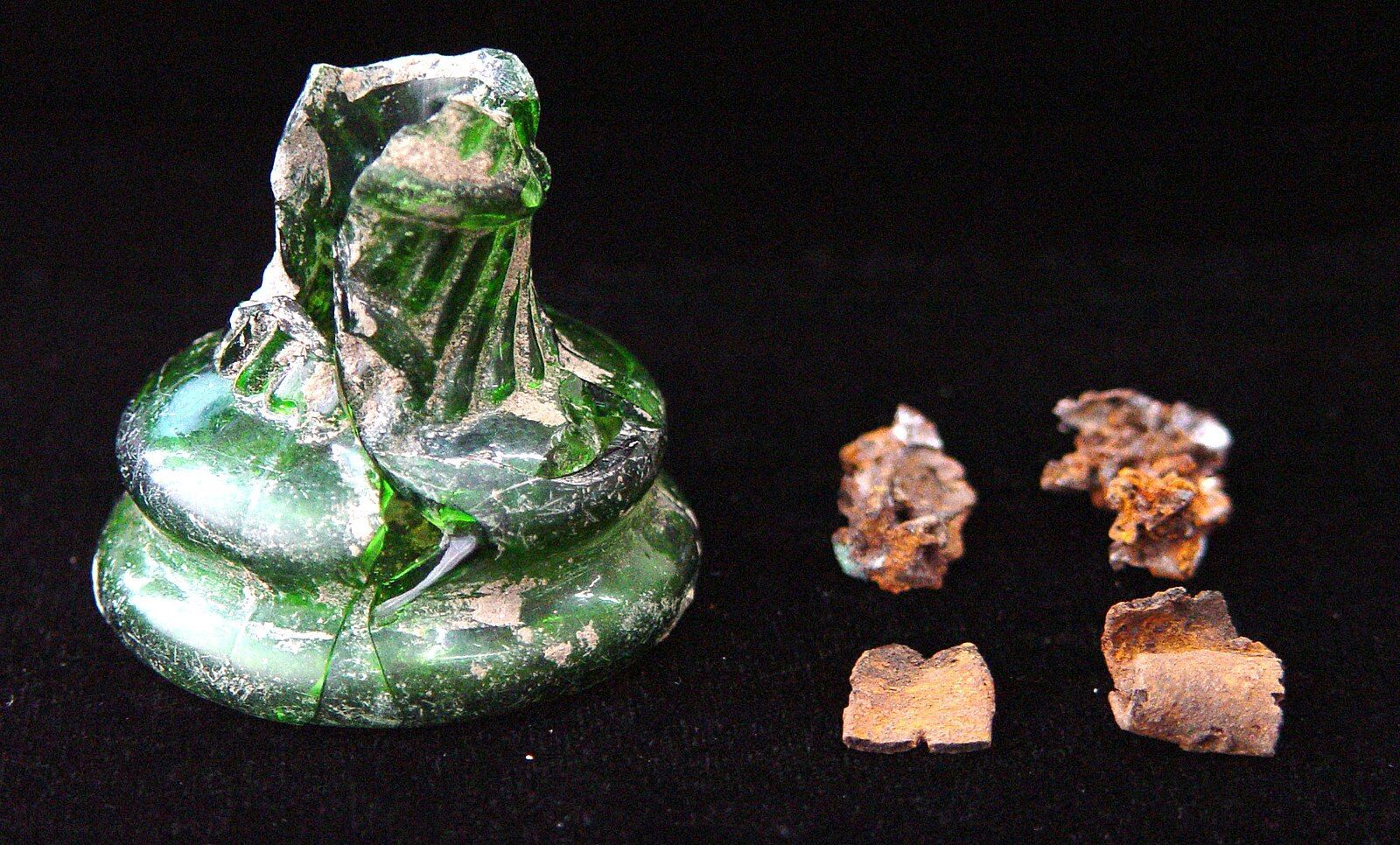
There’s something quietly haunting about a bent coin. The curve is deliberate, the act intentional — a silent plea for protection. In the dim candlelight of the 17th and 18th centuries, people across Britain and colonial America trusted small acts of magic to keep evil at bay. Under floorboards and hearths, they sealed witch bottles filled with pins, hair, and nail clippings. And beside those charms, they sometimes placed a coin — bent, pierced, or engraved — to “turn away” the unseen.
These apotropaic coins (from the Greek apotrope, meaning “to ward off”) began as currency but became something more: ordinary silver altered by extraordinary hope. Today, these curious pieces sit at the crossroads of folklore and numismatics — part superstition, part social history, and wholly fascinating to collect.
The Story Behind Witch Bottles and Coin Charms
What to Look For:
Remember: these were used objects — not display pieces.
Perfection isn’t the goal; authenticity is.
How Alteration Affects Value
Traditionally, any alteration reduced a coin’s worth. Yet with apotropaic coins,
alteration is the feature
— the very reason they survive and intrigue.
- Baseline:
Expect prices lower than standard unaltered issues of the same date.
- Exception:
Period alterations with strong provenance (or that match known regional traditions) can sell at premiums to dedicated collectors.
- Market Tip: Value the story, not the grade. A bent 1696 shilling with documented folklore ties can outshine a mint-state example.
- Ethics Note:
Never “enhance” or clean an apotropaic coin to make it more marketable. You’re not improving history — you’re erasing it.
Why Collectors Are Drawn to Apotropaic Coins
These coins touch every part of numismatics: art, culture, superstition, and psychology. They’re tangible symbols of how belief shaped metal — and how that metal survived belief.
- Cultural Lens:
They connect everyday people to the fears and hopes that drove early modern life.
- Display Power: Pierced, engraved, and bent pieces create visually arresting exhibits and photographs.
- Accessibility: Many examples remain affordable, especially 18th- and 19th-century British silver.
- Storytelling: Every coin is unique — no two bends or inscriptions are alike.
Collectors often describe them as “conversation pieces” that turn a cabinet of coins into a gallery of human experience.
Tips for Collectors and Enthusiasts
Between the late 1500s and the early 1800s, England and its colonies lived in an uneasy truce with fear. Witches were said to cause illness, spoil crops, and haunt hearths. To protect their homes, families hid witch bottles beneath thresholds, fireplaces, and chimneys — the supposed gateways of evil.
Alongside these bottles, historians and archaeologists have uncovered bent coins, often silver sixpences or shillings. People believed that twisting or striking a coin could “break” a curse or bind an enchantment.
Pierced coins were worn around the neck or sewn into clothing to protect the wearer.
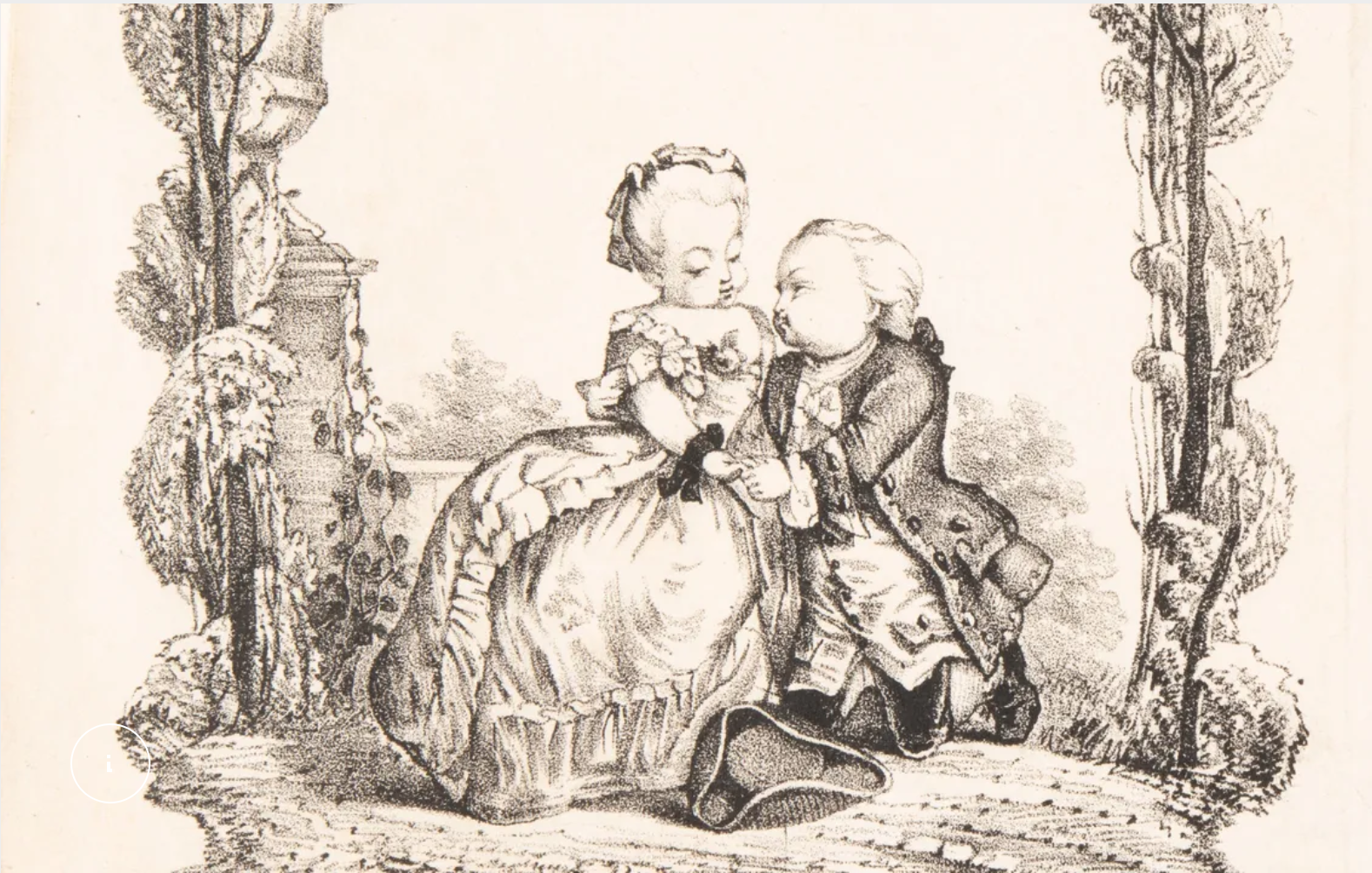
Later came the love token — a smoothed and engraved coin given as a charm of affection.
Some scholars see a direct link between protective magic and romantic faith: both sought to hold onto what mattered most.
For collectors, these artifacts capture something few other coins can — the emotion of ordinary people in extraordinary times.
Many of these pieces would have been dismissed by dealers decades ago as “damaged.” But to a numismatist who understands context, every scratch or bend becomes evidence — not of ruin, but of ritual
Witch bottles and bent silver prove that value isn’t always measured in mintmarks or mintage. Sometimes it’s measured in courage
— in the quiet rituals of people who feared the dark but faced it anyway.
Every scar, every curve, every pierced hole is a mark of belief forged in silver. For collectors,
that belief endures: a reminder that money has always been more than trade — it’s trust, hope, and protection.
So next time you hold a bent coin, listen closely. You might just hear history whisper back.