“All must pay the ferryman.”


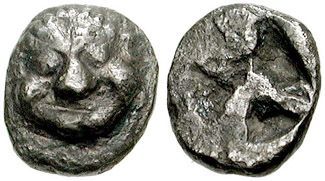
By Classical Numismatic Group, Inc. http://www.cngcoins.com, CC BY-SA 3.0, https://commons.wikimedia.org/w/index.php?curid=40511562

Every civilization has tried to explain what happens after the final breath — and how to ease the soul’s passage into what lies beyond. For the ancient Greeks and Romans, the answer gleamed faintly in silver: a small coin placed with the dead, payment for the ferryman who carried souls across the River Styx.


This funerary offering became known as Charon’s obol, named for the skeletal oarsman of the underworld. The coin wasn’t meant for the living to spend but for the dead to hold — a promise of safe passage, or perhaps, of remembrance.


Today, centuries later, these coins resurface not from graves, but from the pages of history and the trays of responsible collectors. Each one carries a haunting dual legacy — part myth, part archaeology, and part moral lesson about collecting relics of the past.
The Story Behind Charon’s Obol

The tradition of placing coins with the dead stretches back thousands of years, long before Charon was given a name. In early Greek and later Roman burials, a coin was often placed in the mouth, on the eyes, or beside the hand of the deceased. Some believe this was literal payment for the ferryman who rowed souls across the river of the dead; others see it as a symbolic gesture — a final act of care from those left behind.


The coins used were typically   obols   or danakes — small denominations of silver or bronze worth little in life, but priceless in belief. Later Roman burials continued the custom, sometimes substituting low-value bronzes as the empire expanded.


For archaeologists, these funerary coins offer a direct link between ritual and economy — a physical token of how the living faced mortality. For collectors, they represent a delicate balance between history and ethics, where ownership must always respect the sanctity of the past.


Identifying Genuine Funerary Coins

Not every small ancient coin labeled “Charon’s obol” was actually placed in a grave. Many are simply of the same type that could have been. Ethical collecting depends on distinguishing lawfully sourced examples from illicitly excavated material.


What to Look For:

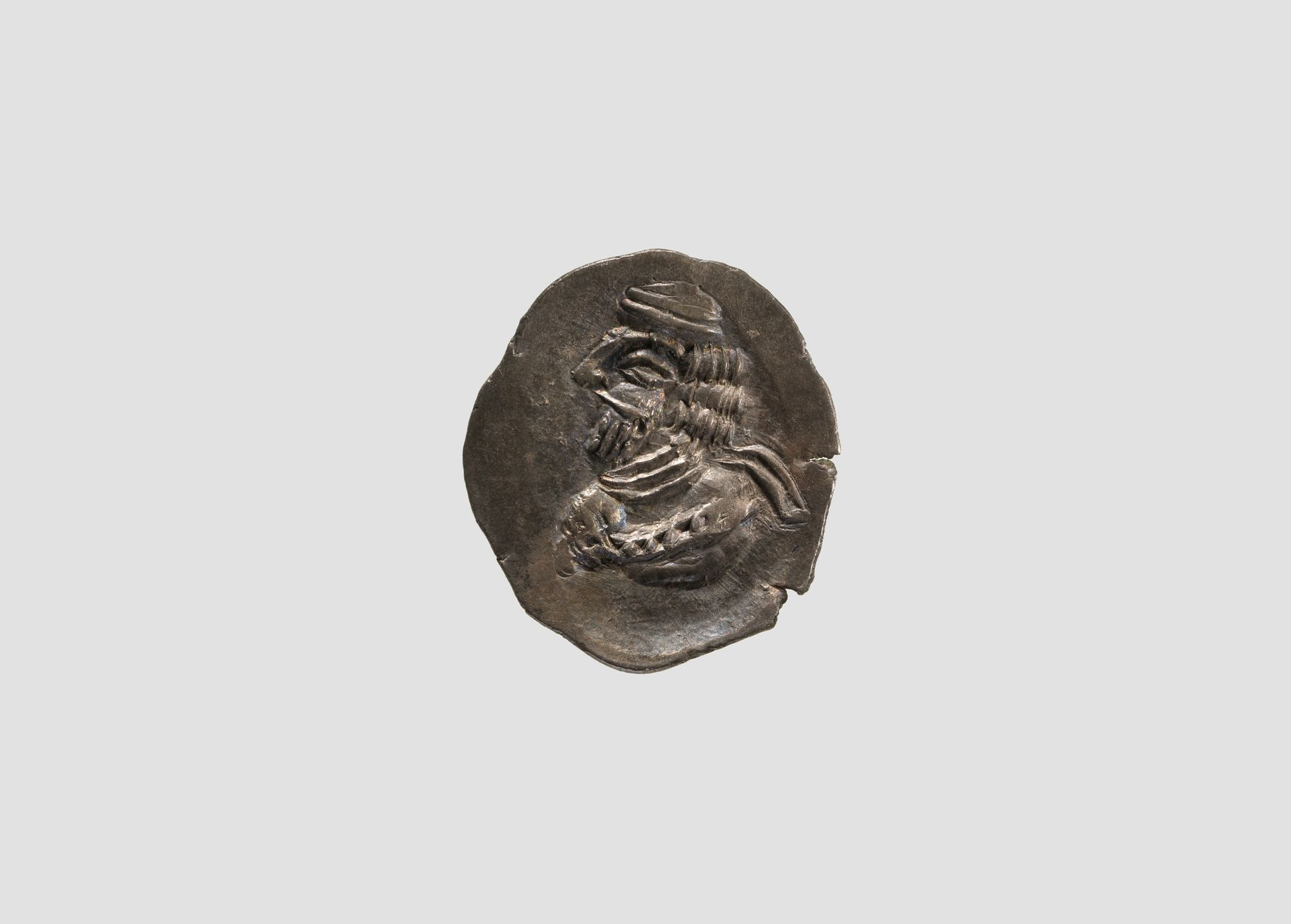
The Metropolitan Museum of Art, Open Access
  • Type & Era: Genuine obols and danakes are small (often <1g), struck in silver or bronze, featuring local city symbols — owls, dolphins, gorgons, or Athena’s head.
  • Patina & Texture: Burial silver often shows soft gray tone with mineral crust; bronze may exhibit earthy green or reddish oxidation.
  • Context Notes: Provenance that cites museum deaccession, documented collections, or old sales records is essential.

RED FLAGS: Dealers using vague terms like “funerary coin” without paperwork; overly “clean” surfaces stripped of context; or pieces with visible soil traces but no documentation.


Collectors should always ask: Was this coin legally exported and sold? If the answer is uncertain, walk away. Respect for history gives value meaning.


How to Collect Charon’s Obols Ethically

The appeal of these coins is universal — they evoke mortality, devotion, and timeless artistry. But collecting them demands care:

  1. Insist on Provenance:  Buy only from reputable dealers who provide written documentation of lawful origin and export.
  2. Avoid Fresh Soil Finds: Genuine funerary artifacts should not be entering the market from active excavation zones.
  3. Favor Old Collections: Coins with 20th-century or earlier ownership histories are safest and often most desirable.
  4. Record Everything: Keep digital and printed records of acquisition, photographs, and seller statements.
  5. Educate Others: Ethical collecting strengthens the entire numismatic community.


When collected responsibly, Charon’s obols remind us that numismatics is about stewardship, not possession.


Why Collectors Care

There’s a quiet power in holding something meant for a soul’s journey. These coins connect us to ancient hands and timeless fears — a belief that even in death, an offering could make the difference between wandering and peace.

  • Historical Insight: They reveal ancient burial rites, religious symbolism, and the economic reach of city-states.
  • Cultural Resonance: The myth of Charon echoes in modern funerary customs, showing humanity’s enduring need to honor the dead.
  • Aesthetic Appeal: Despite their size, obols often display exquisite engraving and toning — small masterpieces of sacred intent.
  • Philosophical Depth: To collect such a coin is to engage with mortality itself — a numismatic meditation on time, memory, and meaning.


Tips for Collectors and Enthusiasts

  1. Start Small: Ancient bronzes under $100 make excellent study pieces before venturing into silver.
  2. Seek Authentic Sources: Reputable ancient coin dealers, museum deaccessions, and auction houses with transparent records.
  3. Preserve Carefully: Store in inert holders; avoid cleaning or dipping, which can destroy fragile patinas.
  4. Curate Context: Pair your coins with maps, mythological references, or artwork depicting Charon — it deepens appreciation.
  5. Stay Humble: Every ancient coin is older than its owner’s lifetime — treat it as a guest, not a trophy.

Charon’s obol is more than metal

— it’s a prayer in miniature. A token of farewell, a gesture of love, and a reminder that even the smallest coin can bear the weight of eternity.


Handled ethically and studied respectfully, these coins allow collectors to participate in history without disturbing it

— to hold, for a moment, the delicate balance between life, death, and remembrance.


As ancient poets said, All must pay the ferryman.” For collectors, the fare is knowledge — and the passage is wonder.