The chapel is hushed except for the shuffle of feet and the faint crackle of candlelight. The sick kneel in rows. The air smells of wax and incense. One by one, they approach the throne. A monarch extends his hand, whispers a prayer, and places a small gold coin against each forehead. The crowd believes this moment — this touch — could heal the incurable.


These were the ceremonies of the King’s Evil, a disease we now know as scrofula, a tubercular swelling of the neck. For centuries, sufferers believed a sovereign’s touch could drive it away. The coin — or medal — that marked the miracle was called a touch piece.


Today, these artifacts are among the most evocative relics of early modern faith and politics: where medicine, monarchy, and money intertwined in a ritual that turned belief into currency.


The Story Behind Touch Pieces

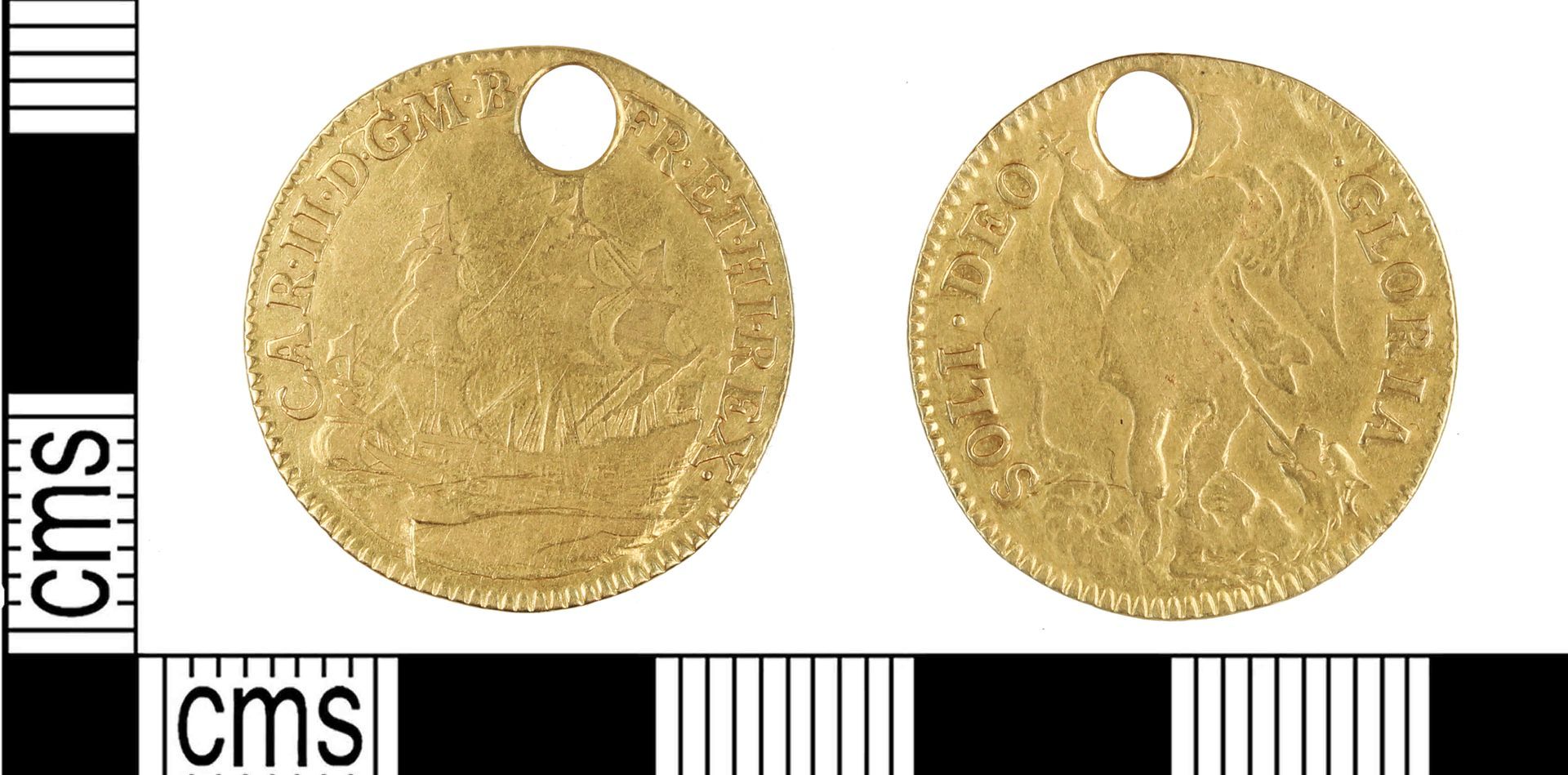
Gold touch-piece of Charles II, pierced for wearing. Portable Antiquities Scheme via Wikimedia Commons (Public Domain (CC0)

The ritual of the royal touch began in medieval France, later embraced by England’s kings. It served both spiritual and political purposes — a performance of divine right. If the king could heal, his power was not merely temporal; it was ordained.


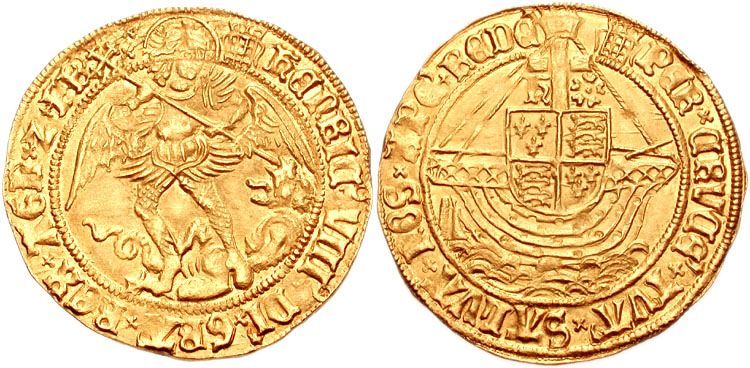
During the Tudor and early Stuart periods, recipients received Angel coins, named for their design depicting St. Michael the Archangel slaying the dragon — a fitting emblem of triumph over evil. Later, monarchs issued specially struck medals for the ceremony, often gilded and pierced for wearing.


Each coin or medal was both a holy souvenir and a political message: the monarch as healer, protector, and God’s chosen intermediary. Recipients often wore their touch pieces on ribbons close to the heart, where belief — and time — polished them smooth.

By the 18th century, Enlightenment thinking and medical science pushed such rituals into legend. Yet the coins remained — tiny chronicles of a vanished faith, each hole and scratch recording the devotion of those who once clutched them in hope.
Hallmarks of Authenticity

Not all “touch pieces” are created equal. Centuries of reproductions and commemoratives blur the line between genuine royal gifts and later copies. Identifying authentic examples requires patience and a trained eye.


Key Traits of Genuine Touch Pieces:

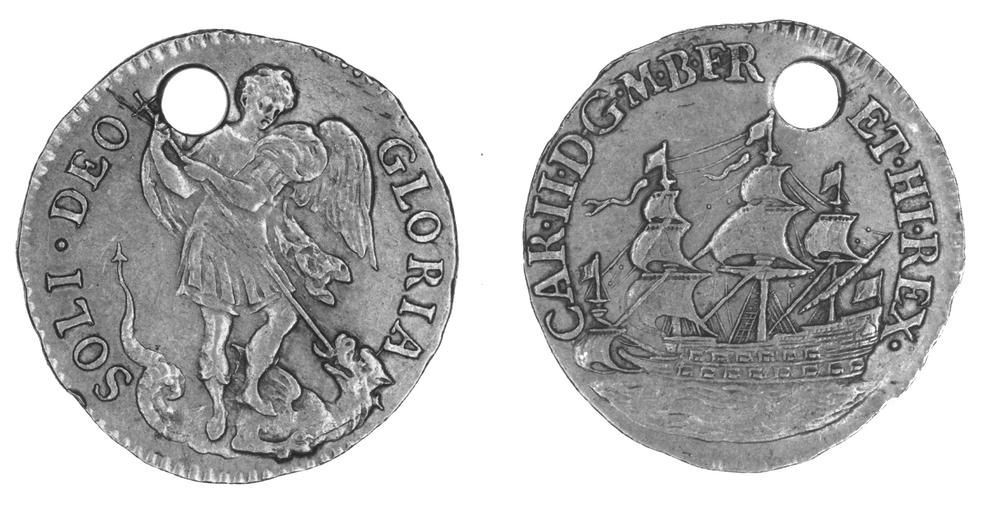
  • Piercing and Ribbon Wear: Authentic examples are pierced at 12 o’clock, often showing gentle chamfering and a faint groove from years of suspension. Sharp-edged or perfectly round holes indicate later tampering.
  • Correct Iconography: Look for St. Michael and the dragon, crosses, crowns, or royal initials consistent with the reigning monarch. Misaligned legends or wrong portrait styles are warning signs.
  • Surface Honesty: Genuine coins have subdued tone — soft gold or silver sheen dulled by age. Avoid freshly polished, mirror-bright, or recently gilt surfaces.
  • Weight and Fabric: Compare measurements to reference guides. Cast copies are lighter, with porous fields and “bubbly” edges.


Authentic touch pieces rarely appear perfect; their flaws are their credentials.


Value Drivers

© The Trustees of the British Museum. Shared under a Creative Commons Attribution-NonCommercial-ShareAlike 4.0 International (CC BY-NC-SA 4.0) licence.
  • Monarch & Type: Angels of Henry VIII and Elizabeth I, or medals of Charles II and James II, carry higher premiums. Later examples, while scarcer, appeal for their artistry and rarity.
  • Evidence of Use: Period wear, ribbon polishing, and natural toning support authenticity — collectors value proof of faith as much as condition.
  • Provenance: Old tickets, cabinet labels, and catalog citations from 19th-century sales add immense credibility and collectability.
  • Historical Context: Coins tied to documented ceremonies or royal physicians can command extraordinary interest.

A perfect surface is common; a perfect story is priceless.


Why Collectors Care

Few numismatic artifacts so vividly capture the intersection of power and belief. A touch piece isn’t just a coin — it’s a promise struck in metal.

  • Narrative Density: Each piece embodies ceremony, politics, faith, and medicine — all in an inch of gold or silver.
  • Tangible Use: The piercing, ribbon wear, and softened relief tell human stories no mint-state coin ever could.
  • Educational Value: Studying touch pieces teaches mounted-coin conservation, medieval metallurgy, and royal propaganda in one sweep.
  • Display Appeal: Hanging in shadow boxes or photographed under candlelight, these relics radiate quiet majesty.


To hold one is to feel the heartbeat of history

— pulsing faintly through centuries of hope.


Tips for Collectors and Enthusiasts

Portable Antiquities Scheme, KENT, FindID: 787761, post medieval, page 2098, batch count 15986
  1. Study Before You Buy: Compare legends, designs, and weights with references such as E. Hawkins’ Medallic Illustrations.
  2. Beware Cast Copies: Look for casting seams or a dull, grainy texture. Struck pieces should show crisp edges and consistent lettering.
  3. Avoid Over-Restoration: Never regild or polish. Original patina is evidence of authenticity and age.
  4. Store with Care: If displayed hanging, use archival ribbon and avoid pressure points on the piercing.
  5. Document Everything: Record monarch, type, diameter, and provenance — your notes ensure the coin’s story outlives you.

A touch piece is more than a curiosity; it’s a relic of belief.

It tells how monarchs claimed to heal with faith, how subjects trusted in power, and how that faith left its mark in metal.


Pierced, worn, and gilded, these coins carry whispers of a kingdom that blurred the sacred and the sovereign.

To collectors, they are reminders that money can hold miracles — or at least, the memory of them.


When you turn one in your hand, imagine the thousands who once clutched theirs in prayer, certain that salvation gleamed in gold.