"Here is wisdom. Let him that hath understanding count the number of the beast:
for it is the number of a man; and his number is 666."
-Revelation 13:18
Few numbers stir the imagination quite like 1666 — the year of fire, fear, and fascination. In that charged moment of European history, cities burned, empires shifted, and mints across the continent struck coins that would survive the centuries as silent witnesses.
Three sixes in a row have long carried whispers of prophecy, but for numismatists, 1666 represents something more tangible: a remarkable convergence of art, politics, and superstition.
Building a 1666 Year Set transforms myth into method — turning rumor into research. It’s a cross-border hunt that challenges the collector’s eye, enriches understanding of 17th-century minting, and yields one of the most visually arresting displays in all of numismatics.
The Story Behind a 1666 Set
The mid-1600s were a crucible of change. England, emerging from civil war and plague, rebuilt under King Charles II as the Great Fire of London reshaped the capital. Across the Channel, the Dutch Republic was reaching the height of its maritime power. The Habsburg realms were vast and fragmented, minting coins from Vienna to Antwerp. Poland-Lithuania faced conflict on multiple fronts, while Spain and its colonies continued to produce massive flows of silver reales that fueled world trade.
Collecting coins struck in this single year ties together these divergent stories. Each coin minted in 1666 — whether a humble sixpence or a gleaming thaler — carries its nation’s emblem and its fears. Together, they form a portrait of a continent standing at the edge of modernity, haunted by prophecy but grounded in silver.
Rather than chase one ruler or denomination, the 1666 Year Set invites breadth: five nations, five metals, and endless history.

Smart Targets and Entry Points
Creating your own 1666 set can suit nearly any budget or ambition.
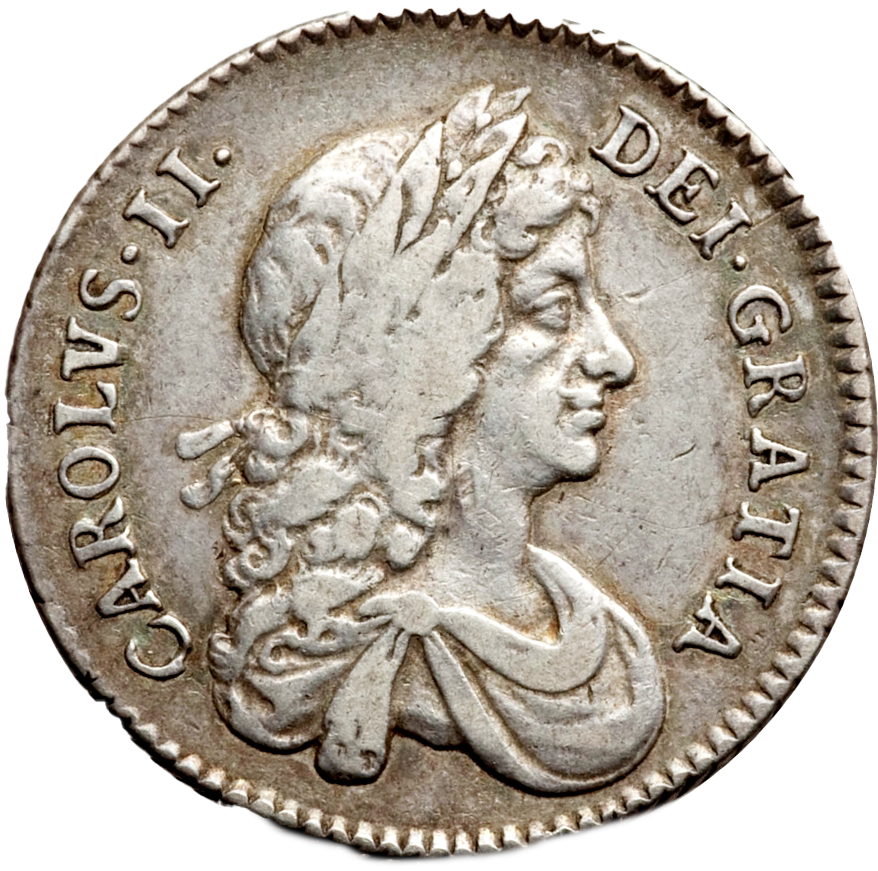
England: Seek milled sixpences and shillings of Charles II. These early machine-struck coins feature crisp details and well-spaced numerals — ideal for showing the date’s triple sixes clearly.
Dutch Provinces: The daalder and lion daalder are collector favorites. Their bold heraldry and Latin legends make them unmistakable. Provincial variations (Holland, Zeeland, Utrecht) provide natural expansion points.
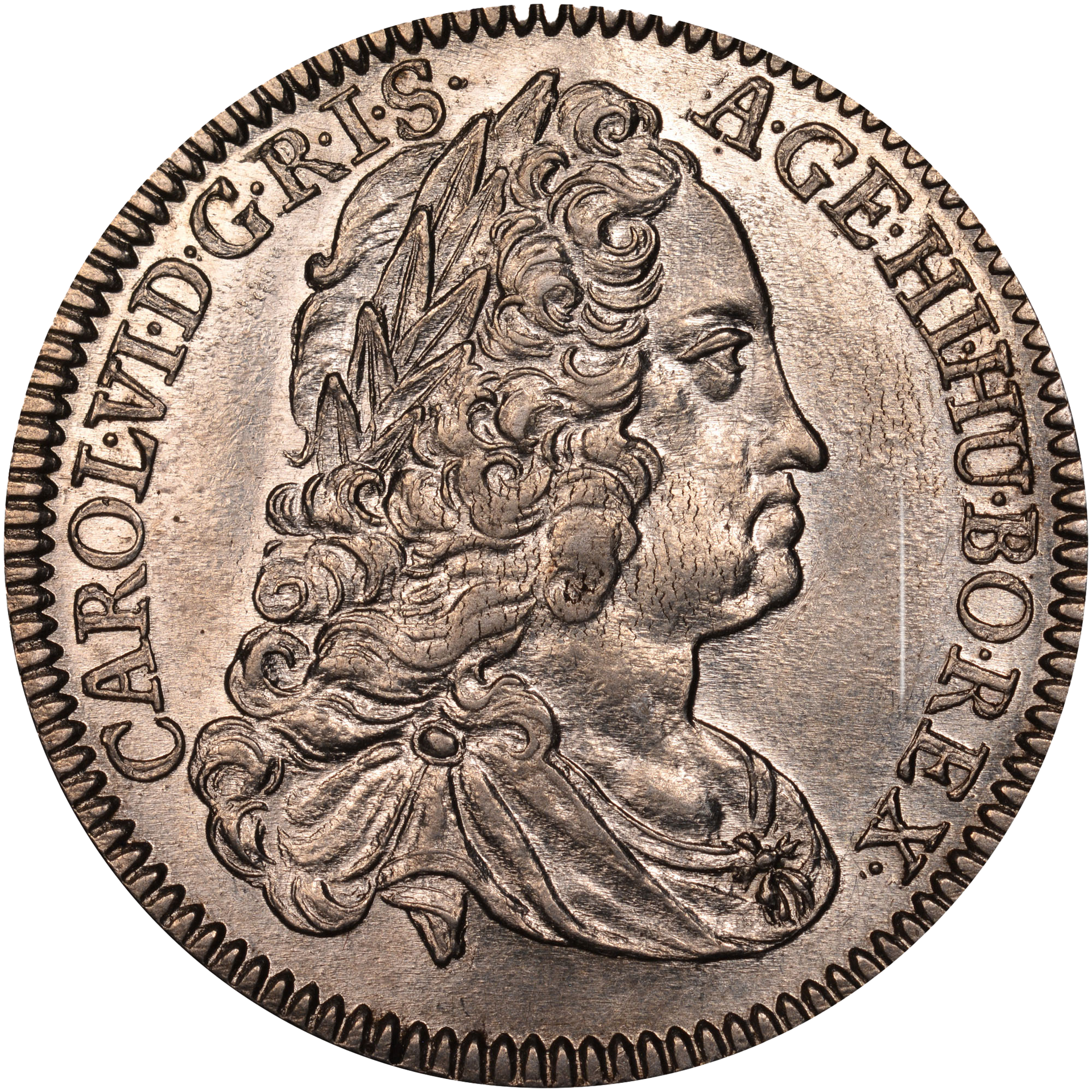
Habsburg Realms: For centerpiece appeal, target a thalers from Austria or Bohemia — broad planchets with dignified imperial portraits. Smaller florins or kreuzers suit moderate budgets while maintaining historical integrity.
Poland-Lithuania: Rich in diversity, this region offers fascinating local issues bearing crowned eagles or ducal monograms. Be sure the mint mark and ruler align — legends can be challenging but rewarding to decode.
Spain and Colonies: A dated 8 reales anchors the global reach of 1666 coinage. These “pieces of eight” circulated worldwide, adding colonial context and a touch of seafaring lore to your set.
Why Collectors Care
The appeal of a 1666 Year Set lies in both its mystery and its mastery.
- Theme Power: The date alone commands attention — three sixes that evoke superstition while uniting diverse nations under one historical moment.
- Educational Value: Reading 17th-century legends sharpens translation skills and exposes collectors to dozens of mint systems and symbols.
- Display Impact: A row of coins all marked “1666” — from silver to gold — makes for a dramatic presentation and conversation starter.
- Flexibility: The set can be as humble or grand as you wish, from a handful of small silvers under $250 to an elite cabinet crowned by a high-grade thaler or gold ducat.
Collectors often describe the set as “a miniature museum,” where each coin is both artifact and omen.
Tips for Collectors and Enthusiasts
- Verify the Date: Under magnification, ensure all three sixes are original. Re-engraved numerals are common on doctored coins.
- Favor Honest Surfaces: Natural tone — whether cabinet gray or warm silver — adds authenticity. Avoid over-brightened pieces.
- Document Provenance: Old tickets, handwritten envelopes, or dealer tags add both narrative and resale confidence.
- Curate by Theme: Choose your angle — all silver, all thalers, all five nations — and label clearly. Context turns a group of coins into a story.
- Show the Setting: Display your 1666 set on antique-style ledger paper or within a black velvet tray lit by cool white light; presentation magnifies mystique.