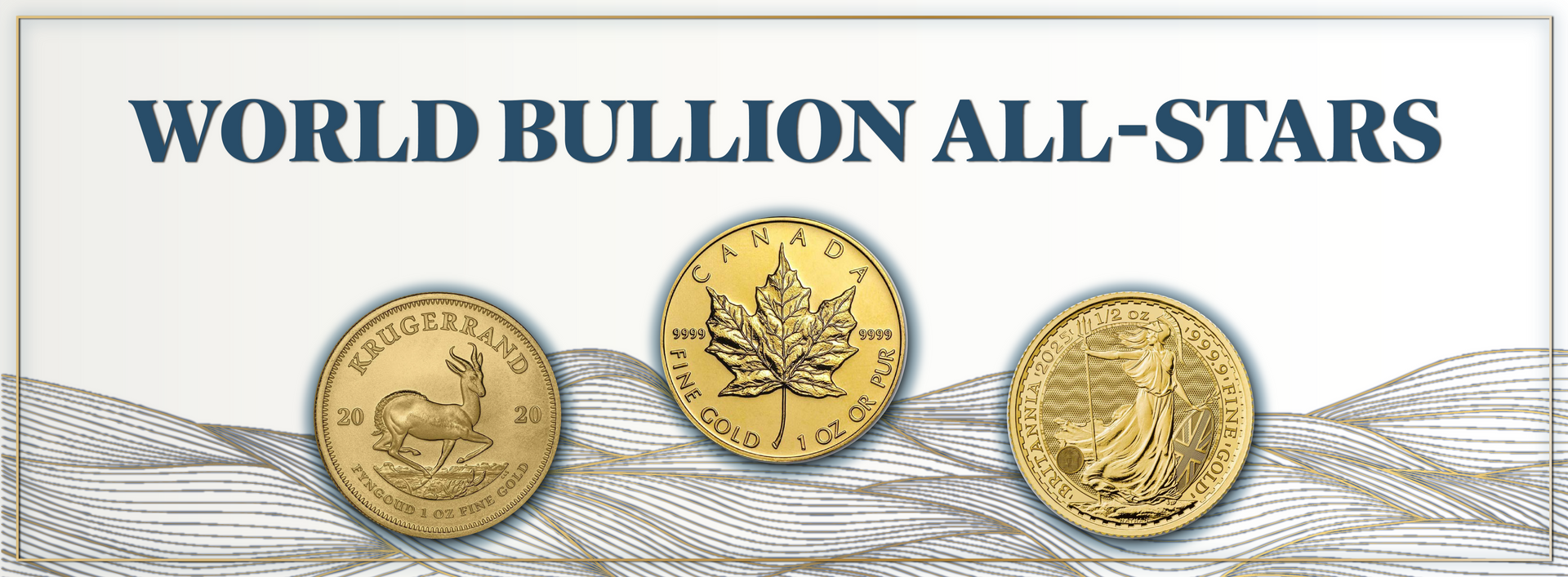
In this article, we examine the most important bullion and collectible coins from around the world
—focusing on how they trade, how they hold value, and how collectors actually use them in real portfolios.
If your safe is mostly American Eagles and a few generic bars, you’re in good company. That’s how many U.S. collectors start.
But just beyond the familiar lies a small group of bullion coins that function as the global blue chips of precious metals: Canadian Maple Leafs, British Britannias, South African Krugerrands, and Austrian Philharmonics. These coins are minted by major national mints, trade in high volumes, and are instantly recognized in dealer cases from Phoenix to Prague.
Adding them to your stack isn’t about novelty. It’s about strengthening what you already have.
Why Does World Bullion Belong in Your Stack?
World bullion coins expand your options in ways many collectors don’t fully appreciate at first.
They can:
- Broaden your resale opportunities
- Introduce new buyer markets
- Give you more control over purity, premiums, and liquidity
In practical terms, that means flexibility. When markets tighten or premiums swing, collectors who understand multiple bullion programs often have more ways to respond without forcing a bad sale.
What Makes a Bullion Coin an “All-Star”?
Not every round of metal deserves a spot in your starting lineup.
Understanding Purity and Fineness
Most modern bullion coins fall between .999 and .9999 fine. Coins like the Canadian Maple Leaf lean heavily into .9999 purity as a selling point. While higher purity doesn’t automatically make a coin “better,” it can matter for marketing, buyer preference, and how a coin is positioned in the market.
Why Premiums and Spreads Matter
The premium is what you pay over spot. The spread is the difference between what you pay and what a dealer will offer when it’s time to sell. A coin that’s cheap to buy but difficult to move later isn’t a bargain.
True all-stars tend to combine:
- Reasonable purchase premiums
- Tight buy–sell spreads
- Strong, consistent demand
How Liquidity Impacts Real-World Performance
A bullion coin’s job is simple: convert back into cash when you need it. The more widely recognized the coin, the easier that job becomes. Dealers know the major world bullion issues well enough to quote bids quickly—sometimes without even seeing the coin.
When you combine credible purity, sane premiums, and smooth liquidity, you get bullion that behaves like a blue-chip asset: not flashy, but reliable.
Are Canadian Maple Leafs Still the Purity Benchmark?
If there’s one coin that made “.9999 fine” a household phrase, it’s the Canadian Maple Leaf.
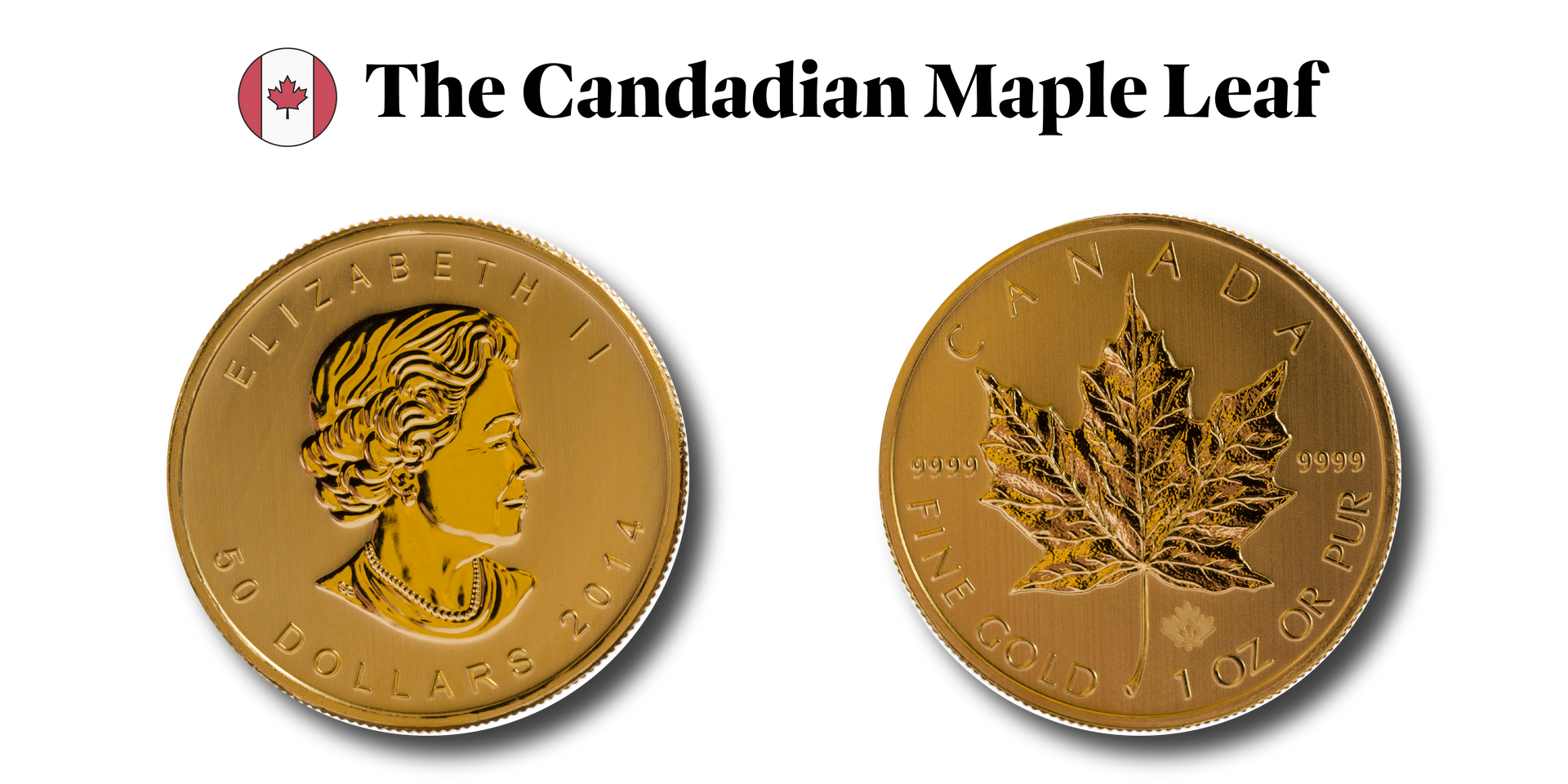
Key facts:
Issuer: Royal Canadian Mint
Metals: Gold, silver (plus platinum and palladium in some years)
Purity:
- Gold Maple Leaf – .9999 fine gold
- Silver Maple Leaf – .9999 fine silver
The design is intentionally simple: a single maple leaf, crisp fields, and purity front and center.
Why investors like Maple Leafs:
- Purity as a headline. “Four nines fine” is easy to understand and easy to sell.
- Strong liquidity. Maple Leafs trade globally and are instantly recognizable.
- Competitive value per ounce. They often deliver high purity at premiums that compare favorably with other top-tier bullion coins.
Risks and things to watch:
Earlier Silver Maple Leafs developed a reputation for milk spotting. It doesn’t affect metal content, but it can bother collectors who care about eye appeal. More recent issues and sealed tubes tend to reduce that concern.
Collector takeaway: If you want a world coin that telegraphs purity and brand strength, Maple Leafs earn their place.
Why Do Collectors Choose British Britannias?
Where the Maple Leaf emphasizes purity, the British Britannia emphasizes security and artistry.
Key facts:
- Issuer: The Royal Mint (UK)
- Metals: Gold, silver, platinum
- Purity (modern issues):
- Gold Britannia – .9999 fine gold
- Silver Britannia – high-purity silver (.999 or higher in recent years)
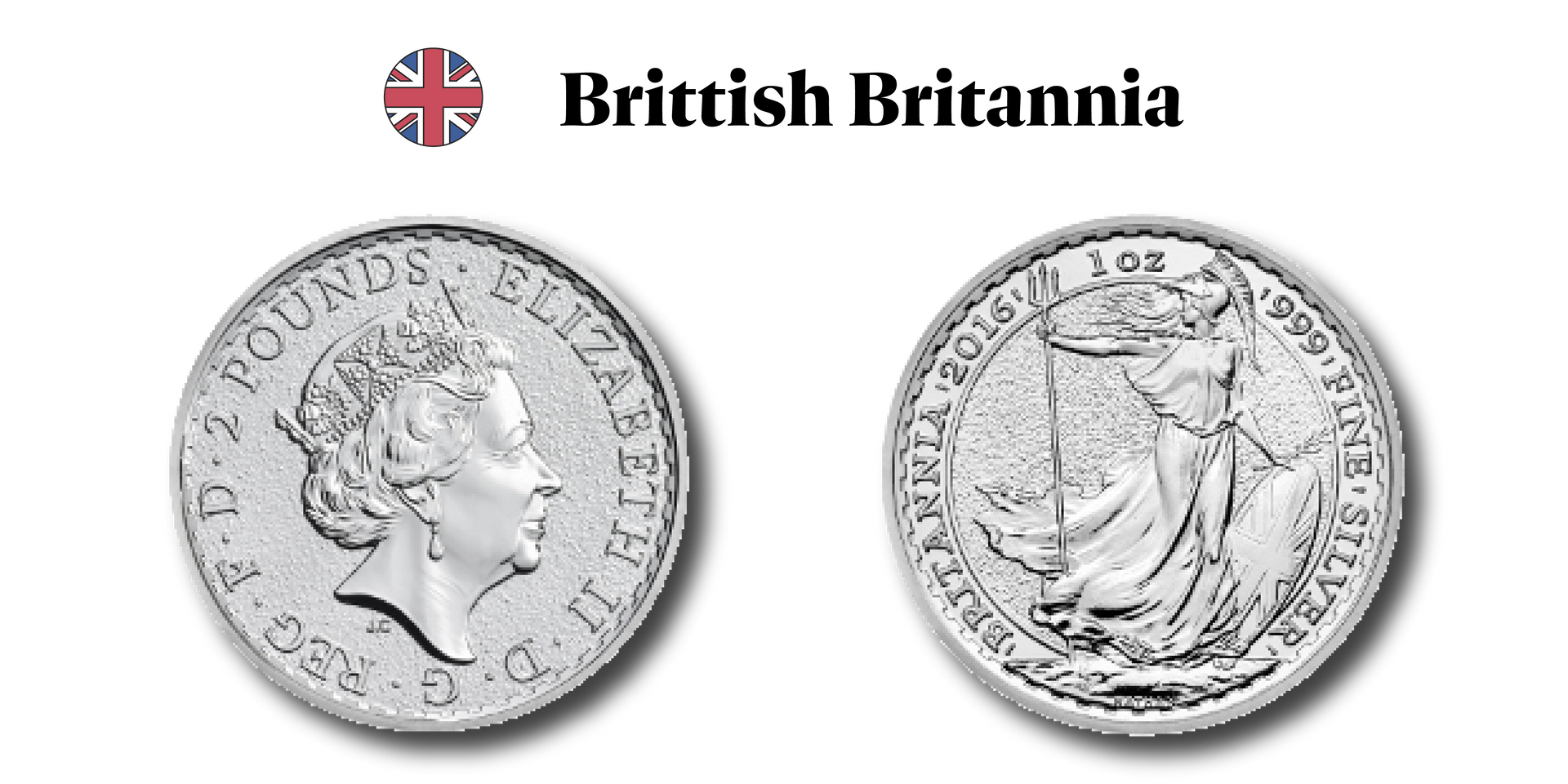
Key facts:
Issuer: The Royal Mint (UK)
Metals: Gold, silver, platinum
Purity:
- Gold Britannia – .9999 fine gold
- Silver Britannia – high-purity silver (.999 or higher in recent years)
The design is intentionally simple: a single maple leaf, crisp fields, and purity front and center.
Why investors like Britannias:
- High purity on par with Maple Leafs
- Security features that inspire confidence
- Growing popularity in North American markets
Risks and things to watch:
The transition from Queen Elizabeth II to King Charles III has created “first portrait” and transitional issues. These can be appealing, but collectors should be selective and avoid paying hype-driven premiums.
Collector takeaway: For many collectors, the Britannia strikes the best balance between bullion function and visual elegance.
What Keeps South African Krugerrands in Such High Demand?
Long before Maple Leafs and Britannias, there was the Krugerrand—the original modern bullion coin.
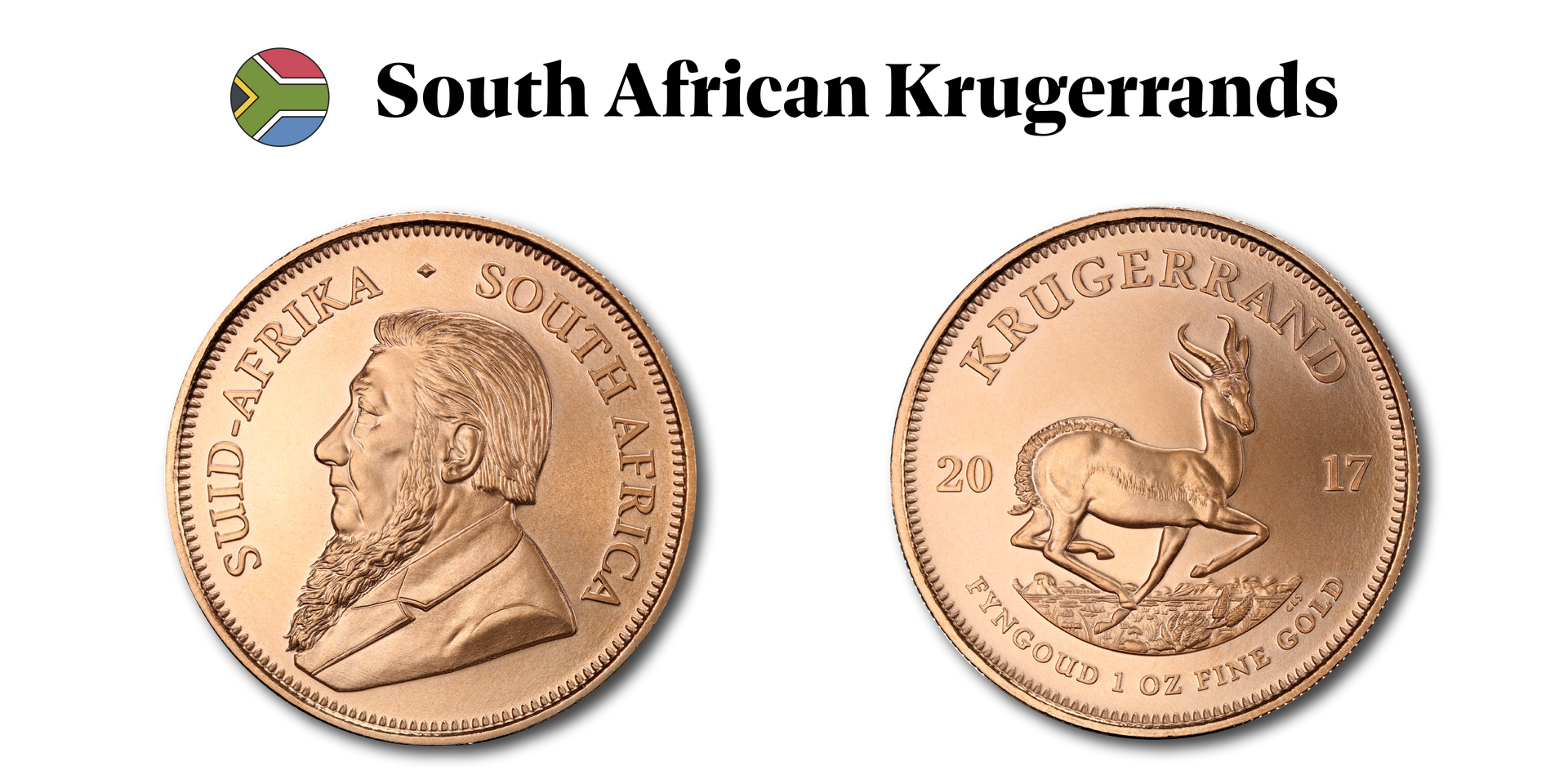
Key facts:
Issuer: South African Mint / Rand Refinery
INTRODUCED: 1967
Metals: Gold, silver, platinum
Purity: 22-karat gold (.9167), alloyed with copper
- Gold content: One full troy ounce of fine gold
Why investors still like Krugerrands:
- A proven global track record
- Consistently tight spreads
- Greater durability than pure 24-karat coins
Risks and things to watch:
Some buyers prefer .9999 fine gold for simplicity. Krugerrands still contain a full ounce of fine gold, but their total weight is higher due to the alloy.
Collector takeaway: If durability and long-standing recognition matter to you, Krugerrands remain a workhorse choice.
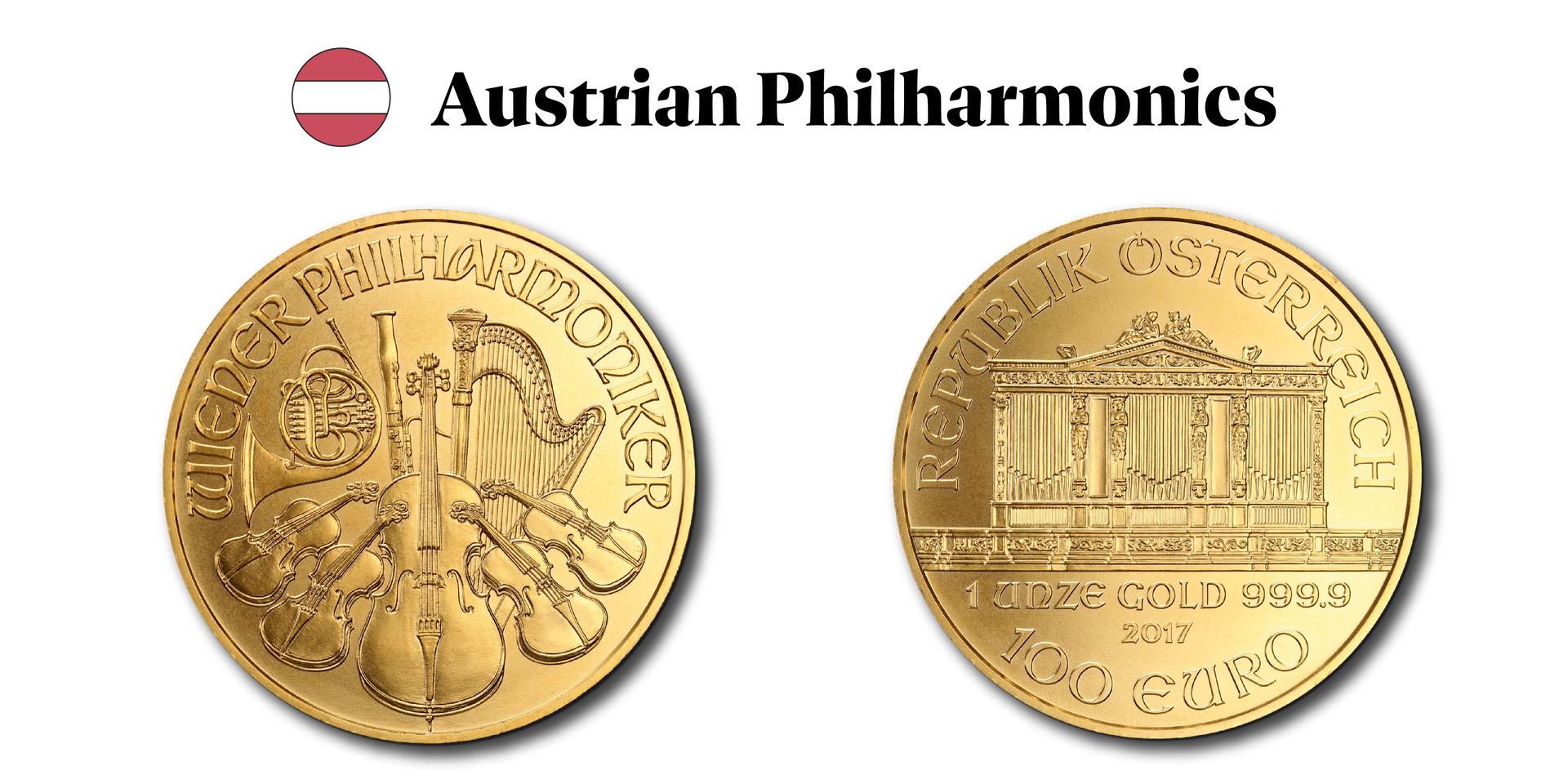
Why Are Austrian Philharmonics the Eurozone’s Favorite Bullion Coin?
In Europe, the Vienna Philharmonic often fills the same role Eagles and Maples do in North America.
Key facts:
- Issuer: Austrian Mint
- Metals: Gold, silver, platinum
- Purity:
- Gold Philharmonic – .9999 fine gold
- Silver Philharmonic – .999 fine silver
- Face value: Euro-denominated legal tender
Key facts:
Issuer: Austrian Mint
Metals: Gold, silver, platinum
Purity:
- Gold Philharmonic – .9999 fine gold
- Silver Philharmonic – .999 fine silver
Face value: Euro-denominated legal tender
Why investors like Philharmonics:
- Familiar euro denomination
- Consistent, recognizable design
- Strong sales volume across Europe
Risks and things to watch:
They’re slightly less familiar in some U.S. markets, though most major dealers handle them comfortably.
Collector takeaway: Philharmonics offer an easy, liquid entry point into European bullion.
Where Do American Eagles Fit into a World-Bullion Strategy?
American Eagles are still the home base for many U.S. collectors.
- Gold Eagles offer durability and excellent domestic liquidity.
- Silver Eagles remain the default choice for many silver stackers, often commanding higher premiums but strong resale demand.
For many mature investors, the real question isn’t “Eagles or world bullion,” but how to balance both.
How Can You Build a Smart World-Bullion Starting Lineup?
You don’t need every coin to get the benefit. A simple, diversified lineup might include:
Core gold:
- American Gold Eagles
- Gold Maple Leafs
Core silver:
- American Silver Eagles
- Silver Maples or Philharmonics
World diversification:
- Britannias for security features and UK exposure
- Krugerrands for durability
- Philharmonics for euro-market access
Ask yourself three questions:
- What’s my total gold and silver target?
- How do premiums and spreads look where I buy and sell?
- How quickly could I liquidate if needed?
If a coin scores well on all three, it belongs in the conversation.
What Common Mistakes Should Bullion Buyers Avoid?
A few pitfalls show up repeatedly:
- Chasing gimmicks over fundamentals
- Ignoring storage and condition
- Overconcentrating in a single product
A handful of well-chosen bullion coins often beats a pile of one thing.
How World Bullion Fits into a Long-Term Collecting Strategy
World bullion is often where serious collectors begin because it’s familiar, measurable, and easy to compare. Once you understand how coins like Maple Leafs, Britannias, Krugerrands, and Philharmonics behave in the real market, it becomes much easier to evaluate other opportunities—whether that means branching into regional coinage, modern commemoratives, or more specialized numismatic material.
For readers who want to explore further, this article also serves as an entry point into our Global Treasures series, which takes a deeper look at how different countries express value, history, and identity through their coinage.