This article is part of our Global Treasures: A Collector’s Guide to World Money series, where we explore how nations tell their stories in metal. We’ll look at the history, design, key dates, and market behavior of these coins so you can decide whether they deserve a place in your collection—or in your long-term strategy as a world-coin investor.
If you walk past any dealer table or bullion site, the pattern jumps out fast: row after row of 1 ounce silver coins. American Silver Eagles. Canadian Maple Leafs. British Britannias. Austrian Philharmonics. Australian Kookaburras and Koalas.
They’re everywhere for a reason.
For stackers, these coins are simple: one troy ounce of silver per piece, clearly marked and backed by a government mint. For collectors, they offer a canvas for national symbols, wildlife, and security features—with some dates and series quietly turning into modern classics.
In this guide, we’ll compare the flagship 1 oz silver coins you’re most likely to see, how they behave in the real world, and how to choose the mix that makes sense for your own collection.
Why Are 1 oz Silver Coins the Workhorses of the Bullion World?
There’s nothing magical about one ounce—but in the bullion world, it’s become the default language.
One-ounce coins are:
- Easy to price. One coin, one ounce. No mental gymnastics.
- Easy to sell. Dealers can quote bids quickly, and retail buyers understand the unit.
- Easy to store and count. Tubes, boxes, monster boxes—they’re all built around the 1 oz format.
For mature, investment-minded collectors, that simplicity matters. It makes it easier to compare:
- What you’re paying per ounce
- How premiums and spreads line up
- How quickly a coin is likely to move when you’re ready to sell
The rest—the portraits, wildlife, fonts, and finish—is where the fun starts.
What Makes a 1 oz Silver Coin a “Flagship”?
Not every silver round is created equal. When we talk about flagship 1 oz silver coins, we’re usually describing pieces that share a few traits:
- They’re minted by a national mint (not a private refinery).
- They have legal-tender status in their home country, even if nobody actually spends them.
- They have recognizable, consistent designs that run year to year.
- They sell in high volumes and are widely stocked by dealers.
Those traits translate into three big advantages:
- Trust. Buyers recognize the design and the mint behind it.
- Liquidity. Dealers see them every day and know how to price them.
- Resilience. When markets get strange, the most recognizable coins usually keep moving.
With that framework in mind, let’s look at the main players.
How Do American Silver Eagles Set the Benchmark?
Even though this article focuses on global silver, we have to start with the home team: the American Silver Eagle.
For many U.S. collectors, Silver Eagles are the yardstick everything else gets measured against.
You know the basics:
- One troy ounce of .999 fine silver
- Backed by the U.S. government
- Classic Walking Liberty design on the obverse, heraldic eagle (Type 1) or flying eagle (Type 2) on the reverse
The Silver Eagle’s real power is domestic demand. Dealers in the U.S. can move them almost on autopilot. That keeps them highly liquid, but it also means:
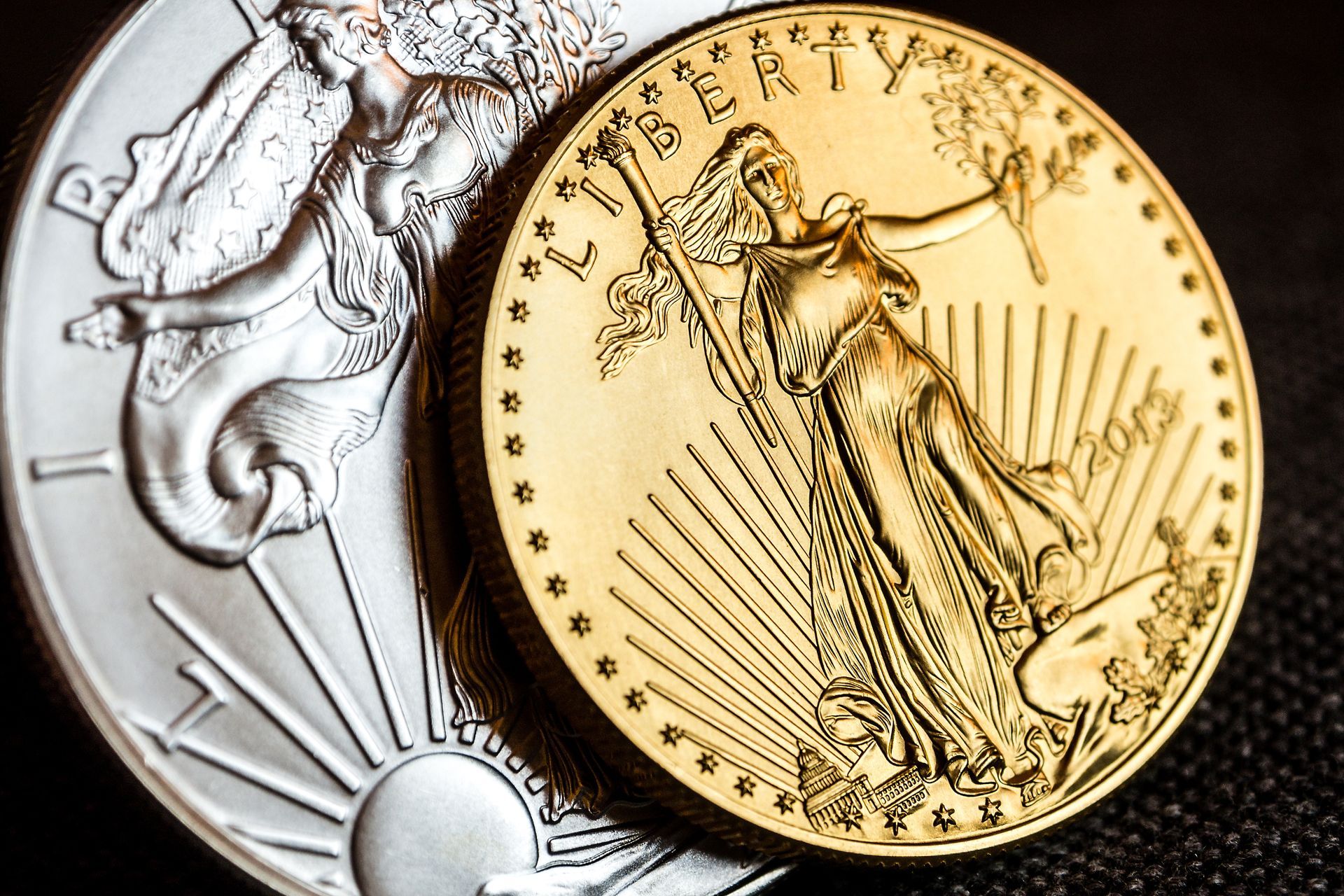
- Premiums are often higher than other 1 oz options
- Certain dates and special issues can drift into pure collector territory, not just bullion
For a world-silver strategy, think of Silver Eagles as your anchor position, then ask what else can add value around them.
How Do Canadian Silver Maple Leafs Compare?
If the Silver Eagle is the workhorse, the Canadian Silver Maple Leaf is the purist’s choice.
Key traits most collectors know by heart:
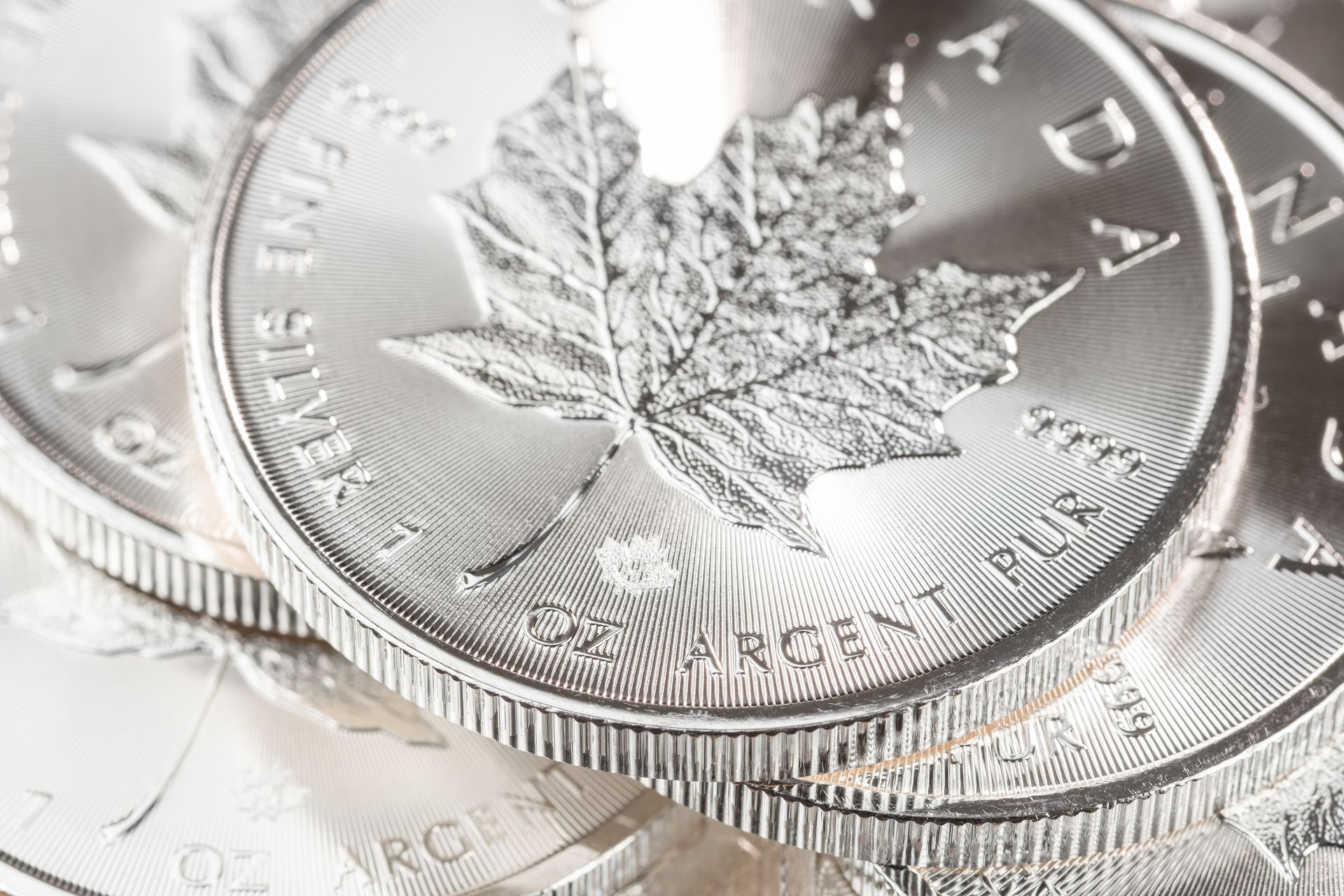
- One troy ounce of .9999 fine silver
- Maple leaf reverse, monarch portrait on the obverse
- Highly mirrored fields and crisp detail
The Maple Leaf leans hard into purity and a clean, modern look.
Collectors often point to:
- Purity edge. That extra “9” appeals to buyers who value maximum fineness.
- Lower premiums. In many markets, Silver Maples cost less per ounce than Silver Eagles.
- Global recognition. Royal Canadian Mint products trade easily worldwide.
One drawback you’ll hear about is milk spotting on some earlier issues. It doesn’t affect metal content, but it can matter to collectors who care about appearance.
A common approach is to hold Silver Eagles for domestic liquidity and Silver Maples for purity and value efficiency.
What Sets British Silver Britannias Apart?
The Silver Britannia is where bullion meets design sophistication.
Modern Britannias are:
One ounce of high-purity silver
Legal tender in the UK
Packed with advanced security features—wave patterns, latent images, micro-text, and detailed shield lines
From a practical standpoint, Britannias offer:
Strong purity
Growing recognition in North America
Visual security that inspires buyer confidence
The transition from Queen Elizabeth II to King Charles III has also created “first portrait” and memorial-era issues that some collectors are deliberately setting aside.
For seasoned collectors, Britannias often represent the best balance of artistry and bullion utility.
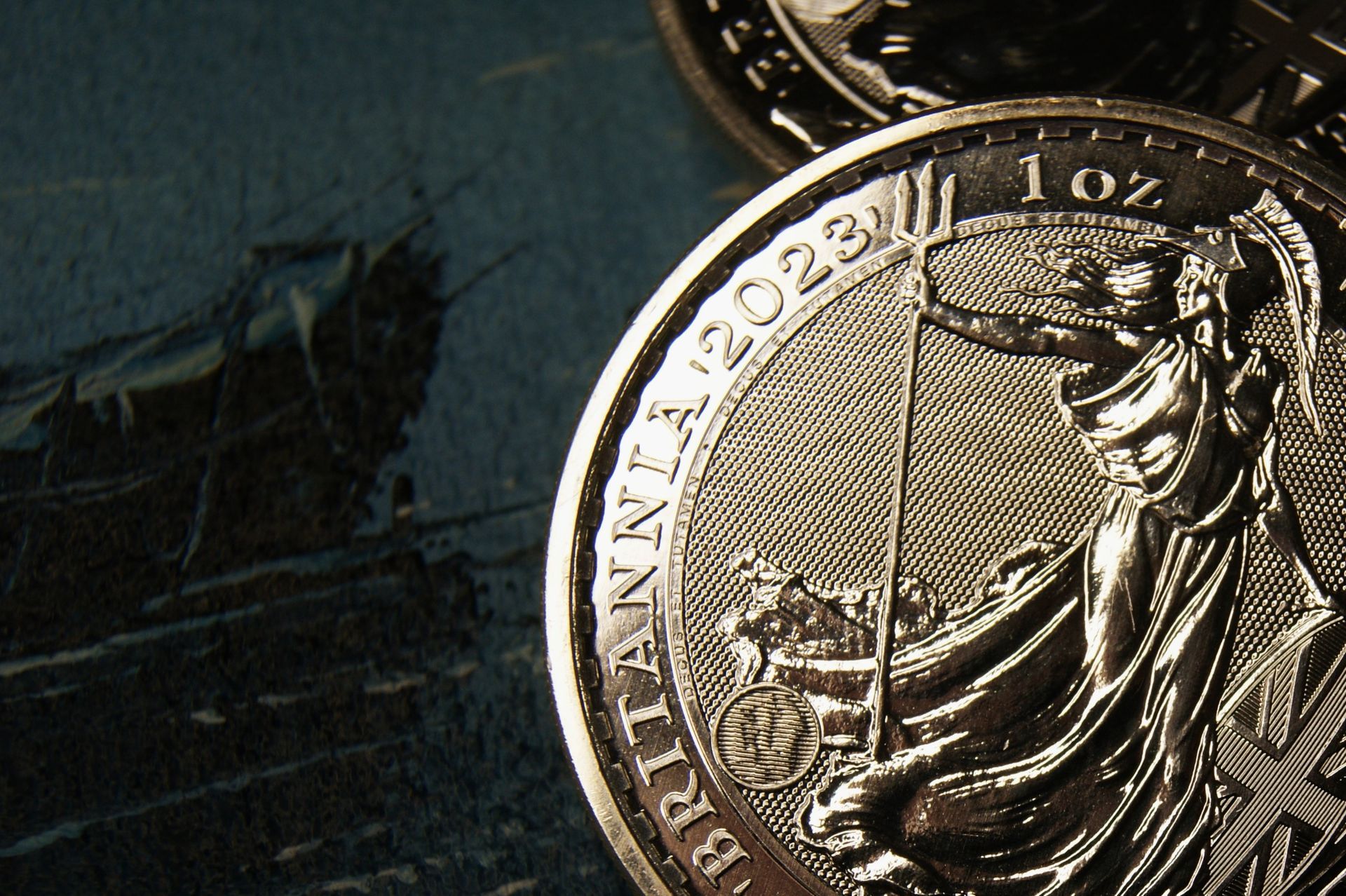
Modern Britannias are:
- One ounce of high-purity silver
- Legal tender in the UK
- Packed with advanced security features—wave patterns, latent images, micro-text, and detailed shield lines
From a practical standpoint, Britannias offer:
- Strong purity
- Growing recognition in North America
- Visual security that inspires buyer confidence
The transition from Queen Elizabeth II to King Charles III has also created “first portrait” and memorial-era issues that some collectors are deliberately setting aside.
For seasoned collectors, Britannias often represent the best balance of artistry and bullion utility.
Why Do Austrian Silver Philharmonics Matter to World Stackers?
The Austrian Silver Philharmonic may be quieter visually, but it’s a heavyweight in Europe.
Philharmonics are:
- One ounce of .999 fine silver
- Euro-denominated legal tender
- Decorated with classical musical imagery
They appeal because of:
- Familiar euro face value
- Consistent, recognizable design
- Strong sales volume across the Eurozone
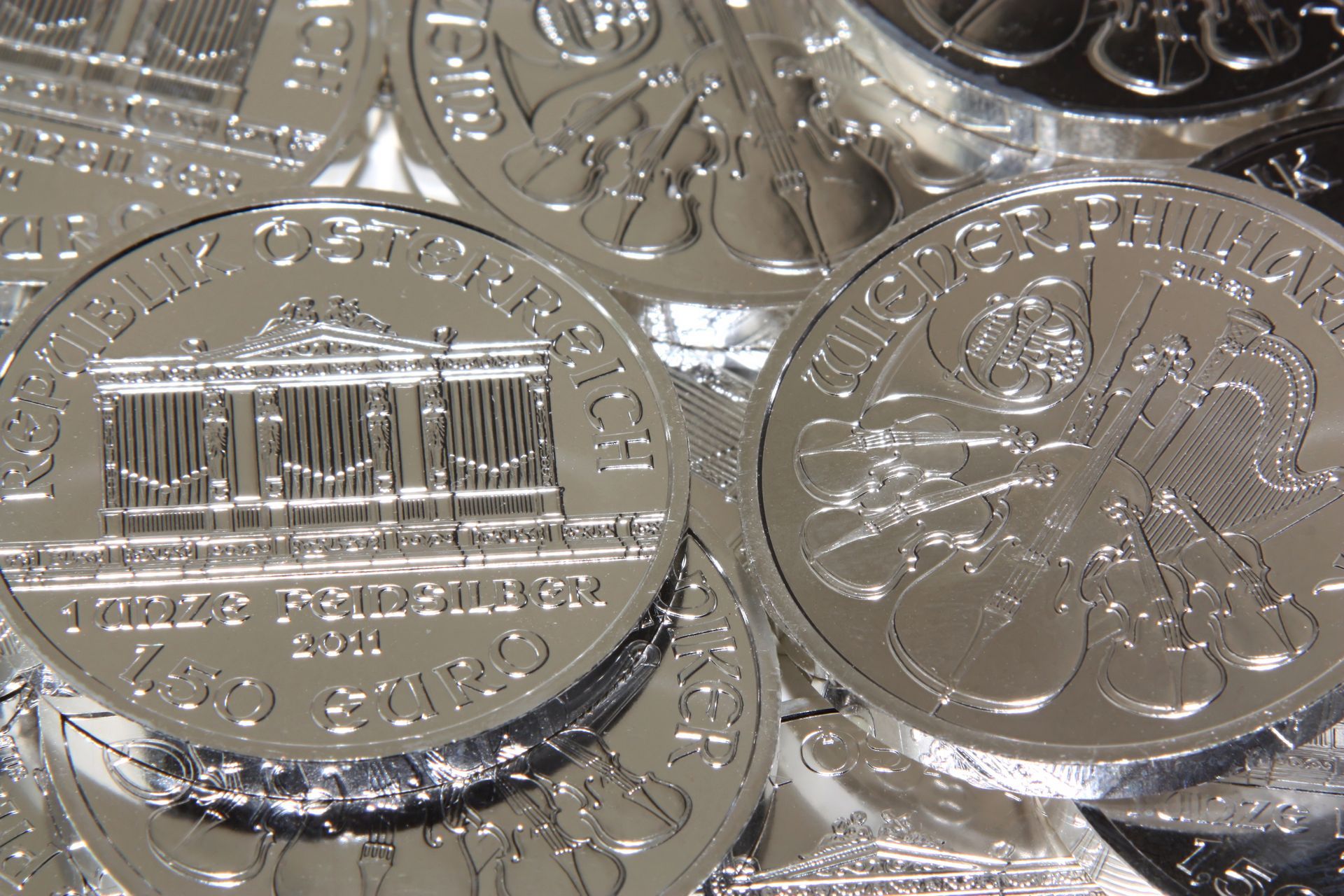
For U.S. collectors, Philharmonics add geographic diversity and a distinct visual contrast to North American and British designs.
Where Do Australian Kookaburras, Koalas, and Kangaroos Fit In?
Australia’s 1 oz silver programs bring personality to the mix.
- Kookaburra: Annual design changes and relatively lower mintages
- Koala: Intricate designs with a loyal following
- Kangaroo: A repeating design meant for high-volume stacking
- Kookaburras and Koalas are often treated as hybrid coins—bullion weight with genuine collector interest—while Kangaroos function more like pure bullion.
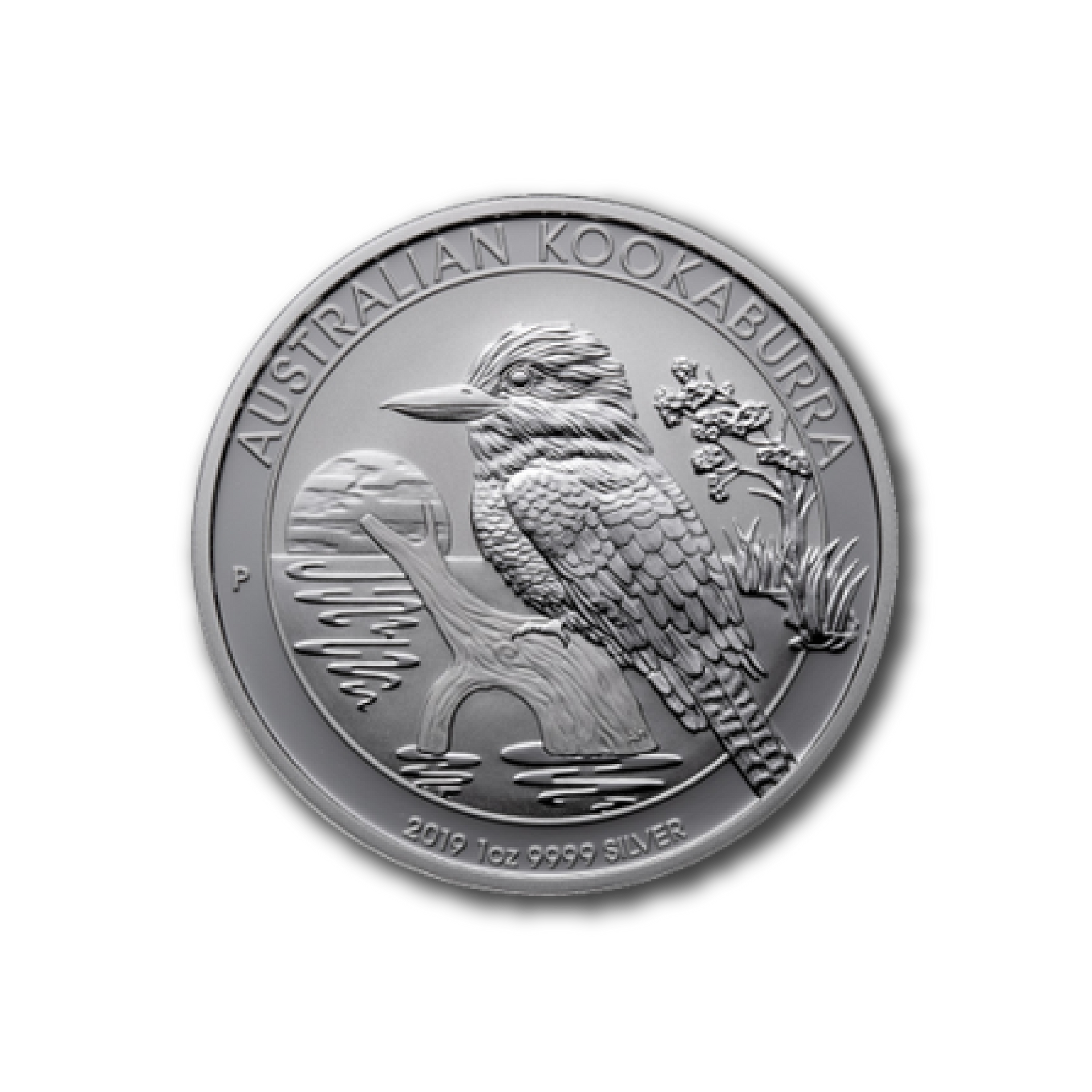
Kookaburra
Annual design changes and relatively lower mintages
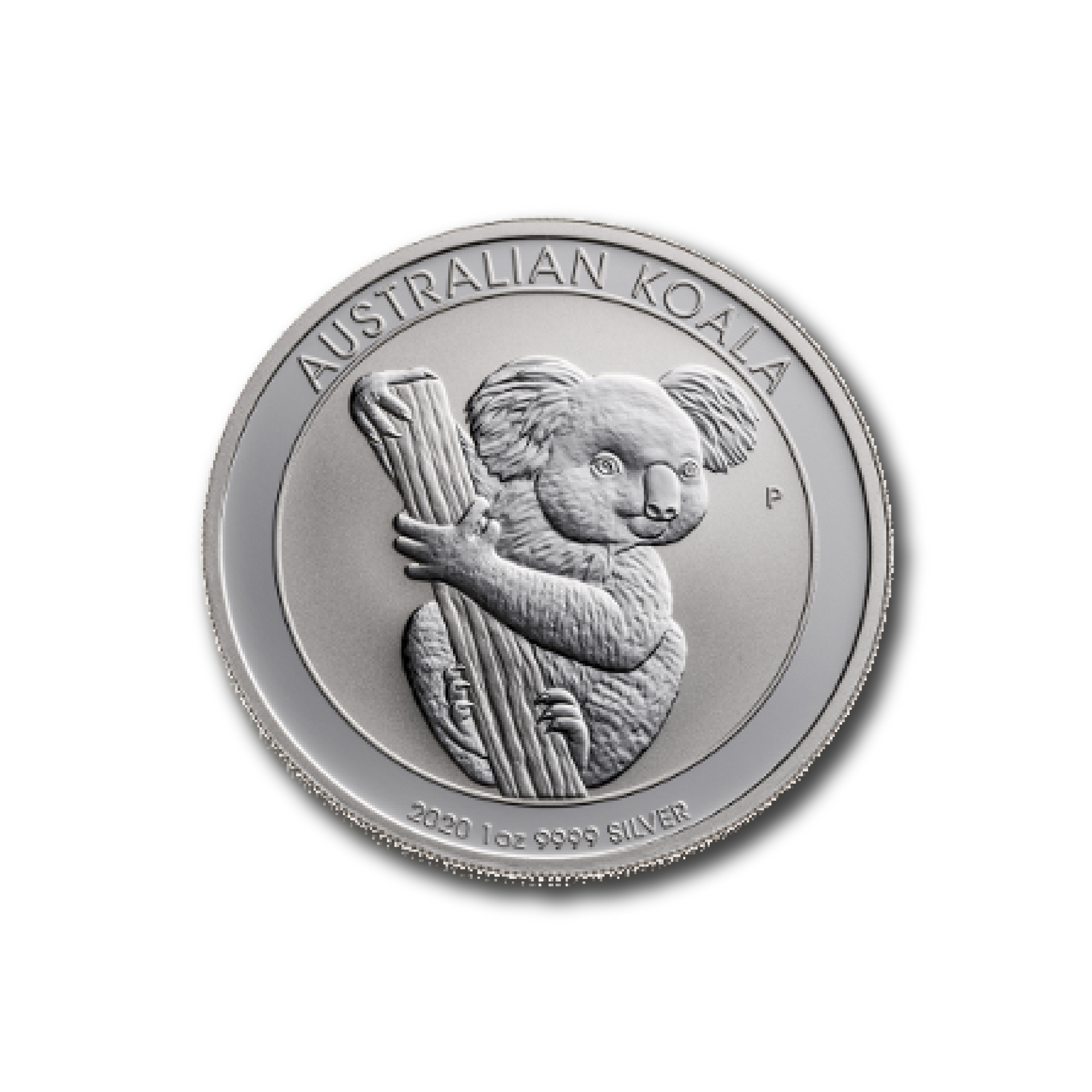
Koala
Intricate designs with loyal following
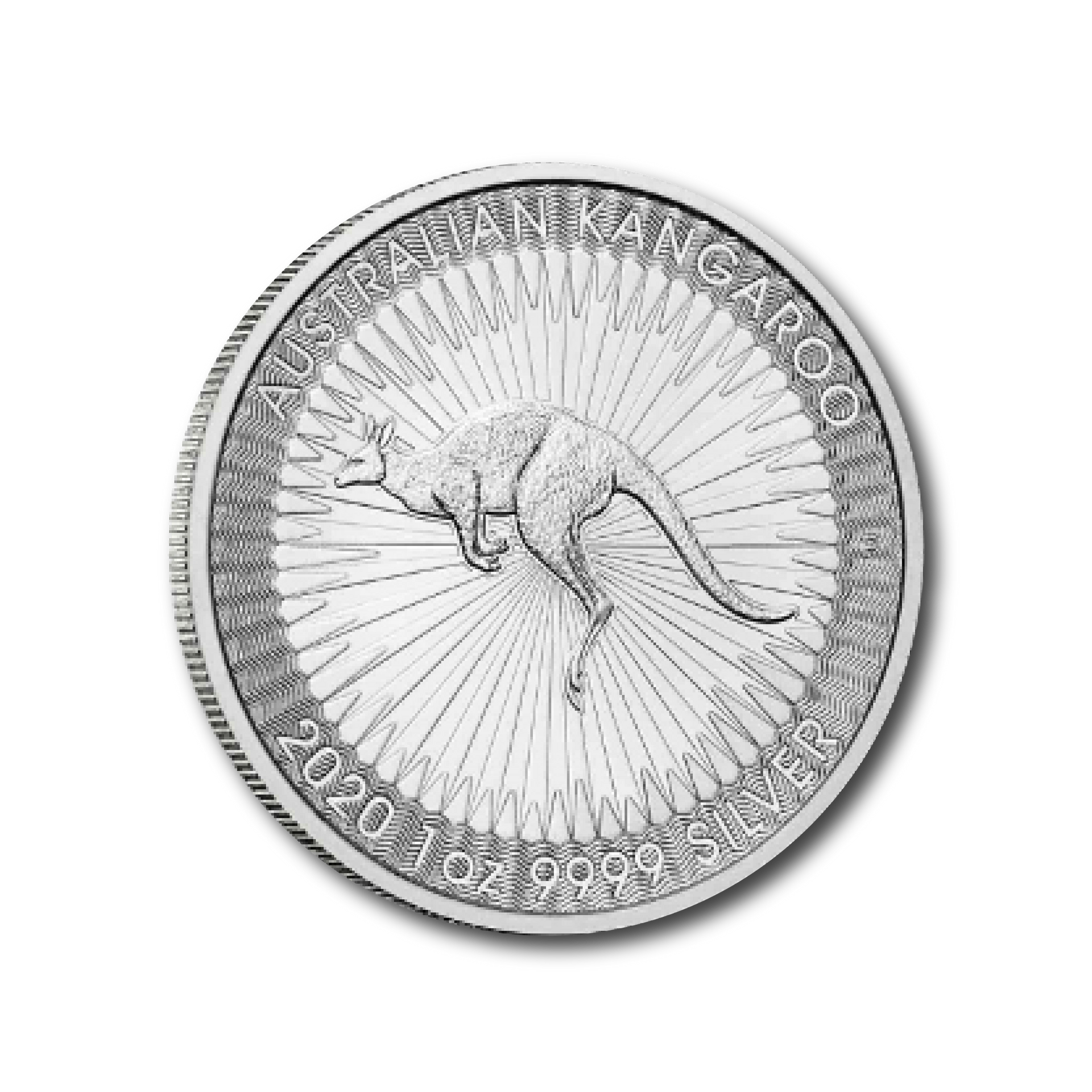
Kangaroo
A repeating design meant for high-volume stacking
Kookaburras and Koalas are often treated as hybrid coins—bullion weight with genuine collector interest—while Kangaroos function more like pure bullion.
How Should You Compare Purity, Premiums, and Liquidity?
At some point, all of these coins have to answer one question: "If I need to sell, what do I get back per ounce?"
The three levers are:
- Purity
- Premiums
- Liquidity and spreads
In practice:
- Silver Eagles carry higher premiums but strong resale demand
- Maples, Britannias, and Philharmonics often offer better ounce-for-dollar value
- Australian wildlife coins may reward patience if collector interest grows
Most mature collectors settle on a blend rather than a single favorite.
What Common Mistakes Do Collectors Make with 1 oz Silver Coins?
A few patterns repeat:
- Buying purely on “cool factor”
- Ignoring the sell side
- Overconcentrating in one mint
- Underestimating storage needs
Silver adds up faster than most people expect.
How Can You Build a 1 oz World Silver Lineup That Fits Your Goals?
You don’t need complexity to be intentional.
Many collectors favor:
- Core holdings: Silver Eagles plus Silver Maples or Britannias
- World diversification: Philharmonics and Kangaroos
- Selective enjoyment: A few Kookaburra or Koala years you genuinely like
If there are coins you never plan to sell because you enjoy them, that’s not a mistake—that’s collecting.
Where Does This Article Fit in Global Treasures?
Think of this guide as the silver twin to World Bullion All-Stars. There, the focus is gold and overall bullion strategy. Here, the spotlight is on the 1 oz silver icons found in nearly every serious collection.
From here, you can move deeper into Global Treasures—whether that means exploring Commonwealth coinage, South African bullion, or heading back to the series hub to choose your next stop in the world of global coin collecting.