Walk through any major coin show and you’ll see it: trays of gold Sovereigns, rows of modern Britannias, and Commonwealth issues from Canada, Australia, South Africa, and beyond. These coins aren’t grouped together by accident. They’re tied by a shared history—one rooted in monarchy, trade, and a currency system that once spanned much of the globe.
This article looks at how Commonwealth coinage evolved from practical gold trade coins into modern bullion and collectible issues, and why that evolution still matters to collectors today.
The Gold Sovereign: The Backbone of Global Trade
Long before bullion coins became a modern category, the British gold Sovereign functioned as a de facto international trade coin.
When the Sovereign was reintroduced in its modern form in 1817, it was engineered around a simple but powerful principle:
consistency. Each coin contained a fixed amount of gold—7.988 grams total weight, struck in 22-karat gold, with a precise gold content that did not change from year to year. That reliability meant merchants and banks didn’t need to debate value. The coin spoke for itself.
In an era when trust in money depended on weight and fineness, the Sovereign’s uniform gold content made it instantly recognizable and widely accepted. Whether struck in London or at branch mints in Melbourne, Sydney, Perth, Ottawa, or Bombay, the gold standard remained the same. That consistency is what allowed Sovereigns to circulate confidently across Europe, the Middle East, India, Africa, and parts of Asia as British trade networks expanded through the 19th and early 20th centuries.
Collectors value Sovereigns today because that original design logic is still intact. The coin offers:
- A fixed and well-documented gold content, consistent across generations
- A long, uninterrupted production history, making comparisons straightforward
- Multiple monarch portraits and mintmarks, reflecting where and why the coins were struck
- A direct link to global trade, not just domestic commerce

Unlike many modern bullion issues designed to be stored immediately, Sovereigns were made to circulate. They were handled, counted, and trusted because their gold content never changed. That real-world use explains why originality and condition matter so much to collectors today—and why problem-free examples are often more desirable than sheer scarcity.
The Sovereign was never intended to be a collectible. It was intended to be reliable money. Its lasting appeal comes from how consistently it fulfilled that role.
Commonwealth Coinage and the Power of Portraits
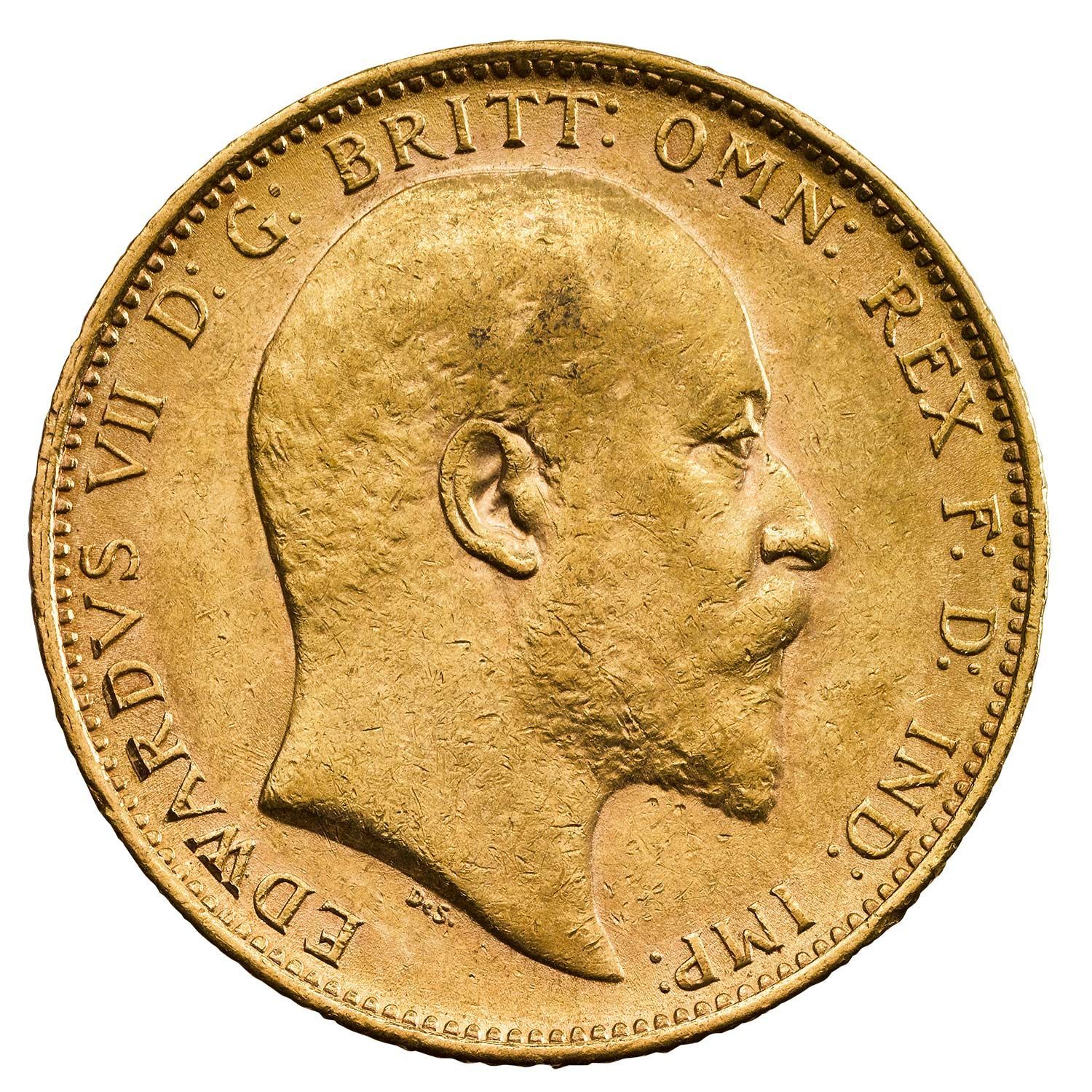
One defining feature of Commonwealth coinage is the royal portrait.
Unlike many modern bullion programs that emphasize symbols or wildlife, Commonwealth coins have long placed the monarch front and center. Over time, these portraits create natural collecting eras in modern Commonwealth coinage:
- Victoria
- Edward VII
- George V
- Elizabeth II
And now, Charles III
For collectors, portrait changes often matter as much as metal content. They mark transitions—political, cultural, and generational—and they influence demand in subtle but lasting ways.



The Rise of the Modern Britannia
While Sovereigns represent the past, the Britannia represents Britain’s modern answer to global bullion.
Introduced in gold in 1987 and later expanded into silver and platinum, Britannias were designed to compete in a world already dominated by Maple Leafs and American Eagles. Over time, the series evolved significantly:
- Purity increased to .9999 fine gold
- Security features were added and refined
- Design elements became more intricate without losing identity
Today’s Britannias manage something rare: they function as highly liquid bullion while also appealing to collectors who care about artistry and detail.
King Charles III and a New Commonwealth Era
The transition from Queen Elizabeth II to King Charles III marks one of the most significant changes in Commonwealth coinage in decades.
For collectors, this transition creates:
- “Last of Elizabeth II” issues
- “First portrait” Charles III issues
- A clear dividing line between eras
Historically, first-year portrait changes often attract steady long-term interest—not explosive premiums, but durable demand. For Commonwealth collectors, these coins represent continuity rather than disruption.
How Collectors Approach Commonwealth Coins Today
Modern collectors tend to fall into one of three camps:
- Bullion-first buyers, who favor Britannias for purity and security
- History-driven collectors, drawn to Sovereigns and older Commonwealth issues
- Hybrid collectors, who hold both and appreciate how the series connects past and present
None of these approaches are wrong. Commonwealth coinage offers flexibility precisely because it spans centuries, metals, and motivations.
Where Commonwealth Coins Fit in a Broader Strategy
Commonwealth coins sit at a unique intersection of history, authority, and liquidity. They’re familiar enough to trade easily, but rich enough to reward deeper study.
Collectors who understand how Sovereigns evolved into Britannias—and how royal portrait changes influence demand—are often better positioned to recognize value when it appears quietly, not loudly.
For those interested in modern bullion comparisons, this article pairs naturally with
World Bullion All-Stars. For design-focused collectors, the Britannia story continues in our silver-focused guides.