Take the 1933 Saint-Gaudens Double Eagle—one of the most famous coins in the world. Its value isn’t just about gold content. It reflects:
- Extreme scarcity
- A unique historical backstory
- Strong, consistent demand
- High-grade certified examples

New Paragraph
Before deciding whether coins qualify as an investment, it helps to define the term clearly.
An investment is typically expected to:
Coins can meet those criteria—but not automatically.
Unlike stocks or bonds, coins don’t produce income. Their value is based on:
That means performance isn’t guaranteed—it’s influenced by multiple moving parts.
If you’ve ever wondered why one coin sells for thousands while another barely moves, the answer usually comes down to a combination of factors.
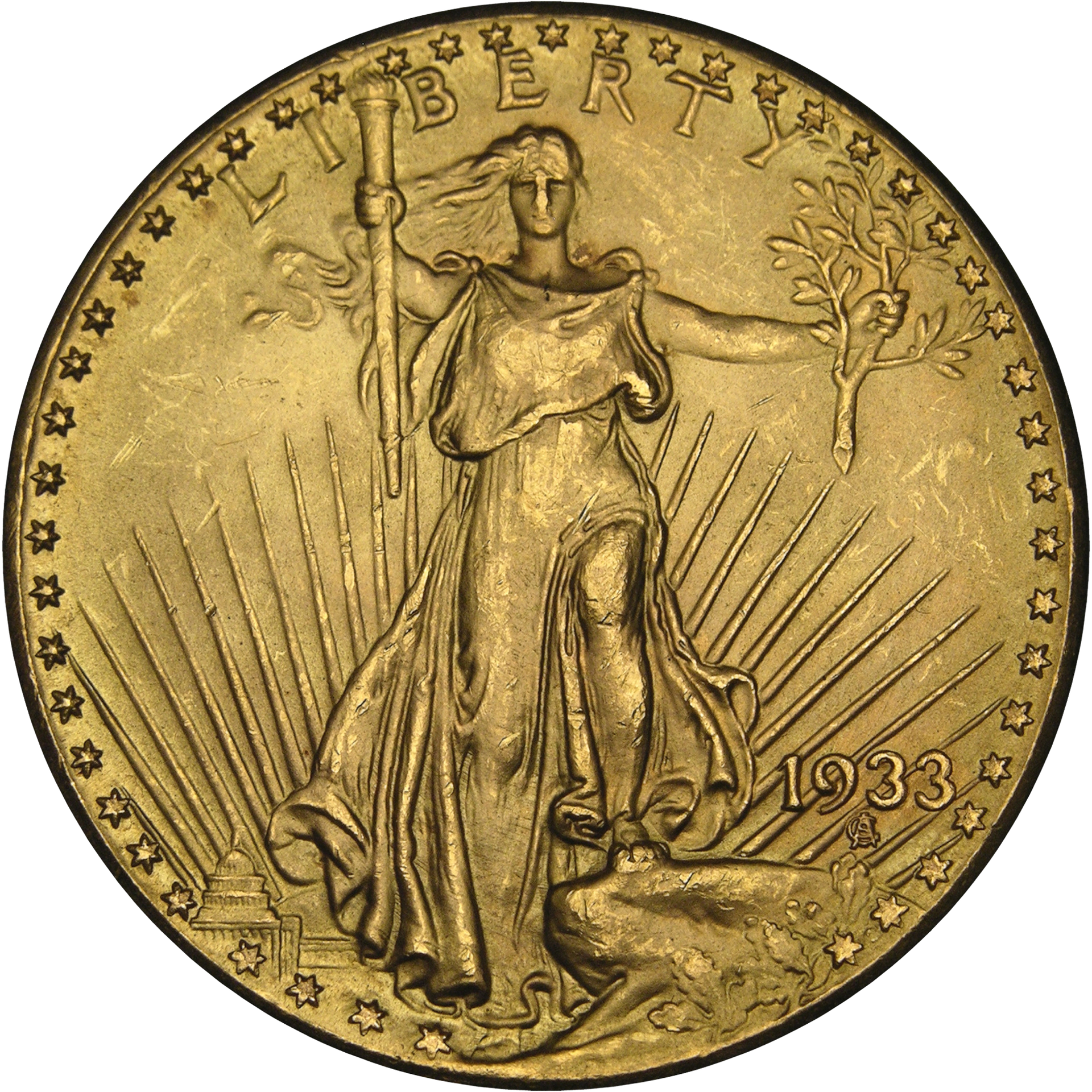
Take the 1933 Saint-Gaudens Double Eagle—one of the most famous coins in the world. Its value isn’t just about gold content. It reflects:
Most coins don’t check all of those boxes. In fact, many coins are:
That doesn’t make them bad purchases—it just means they behave differently.
One of the most common challenges in coin collecting is the gap between what people expect—and how coins actually perform.
Collectors may assume:
In reality:
Understanding these nuances helps prevent overpaying or building a collection based on assumptions rather than strategy.
While not every coin qualifies, there are situations where coins can play a meaningful role in a long-term strategy.
This typically involves:
Collectors who approach coins this way tend to focus on:
Even then, outcomes can vary. Values fluctuate with market conditions and collector trends.
For many collectors, coins aren’t meant to replace traditional investments—they complement them.
Coins can offer:
At the same time, they come with considerations:
For that reason, many experienced collectors treat coins as:
1️⃣ A passion-first pursuit
2️⃣ With value as a secondary benefit
The most successful collectors don’t approach every coin as an investment.
Instead, they:
They understand that:
That mindset tends to lead to stronger collections—and better long-term decisions.
So—can coins really be an investment? Yes!!… but not by default.
The difference comes down to:
✅ What you buy
✅ Why you buy it
✅ And how well you understand the market
Some coins will hold or grow in value. Others may not. But collectors who take the time to learn, observe, and think long-term are far more likely to build collections that are both meaningful—and resilient over time.
If you’re exploring coins with value in mind, the next step is understanding which coins actually hold demand—and why.
Gold & Glory: The Truth About Coin Investing
What Actually Holds Value (And What Doesn’t) 👉
Explore our Coin Grading Blog Series 👉
Check live gold and silver spot pricing on the CoinCollecting.com homepage 👉
Follow CoinCollecting.com on Facebook and Instagram for market conversations, collector debates, and future giveaway updates. 👉

On a scale of 1-5, how would you rate the content of this blog article?