
The Coins That Actually Hold Value (And Why)
Most collectors start with a simple assumption: “If a coin is rare, it must be valuable.”
It sounds logical—and it’s also one of the fastest ways to overpay. Because in the real market, coins don’t hold value just because they’re hard to find. They hold value because collectors want them—and are willing to compete for them. That’s a different standard entirely.
If you understand that difference, you start to see the hobby more clearly—and make better decisions almost immediately.
What the Market Actually Rewards
A coin like the 1933 Saint-Gaudens Double Eagle didn’t become valuable by accident.
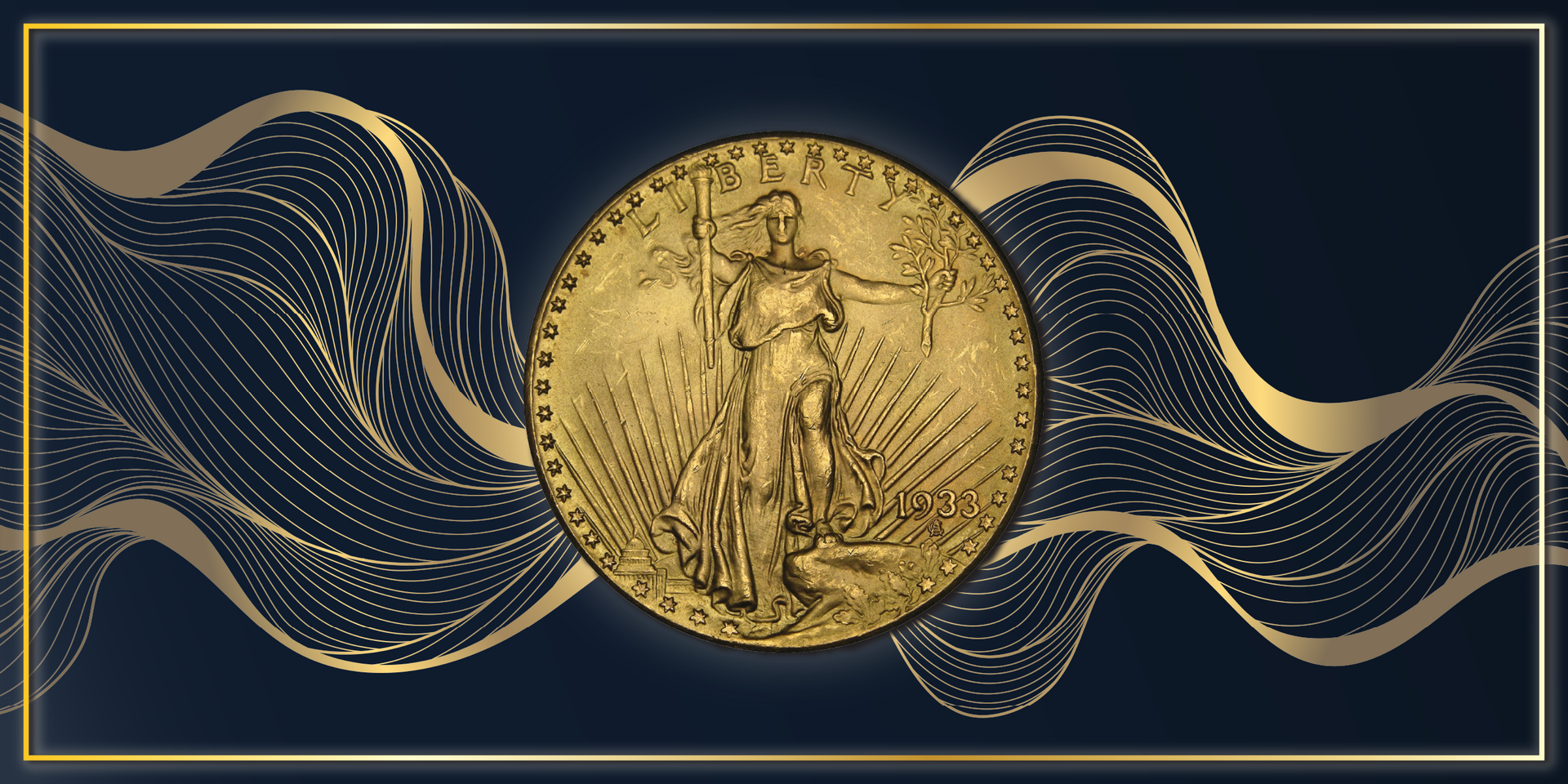
It became valuable because it sits at the intersection of:
- extreme scarcity
- historical importance
- high-grade survival
- and consistent, global demand
That combination is rare. But more importantly—it’s desirable.
And that’s the key distinction most collectors miss:
👉 The market doesn’t reward scarcity alone.
👉 It rewards
desirable scarcity.
🌎 Real-World Examples of Coins That Hold Value
It’s one thing to understand the framework. It’s another to see how it plays out in real coins collectors actually buy. Here are a few examples across different price levels that consistently demonstrate the principles we’ve discussed:
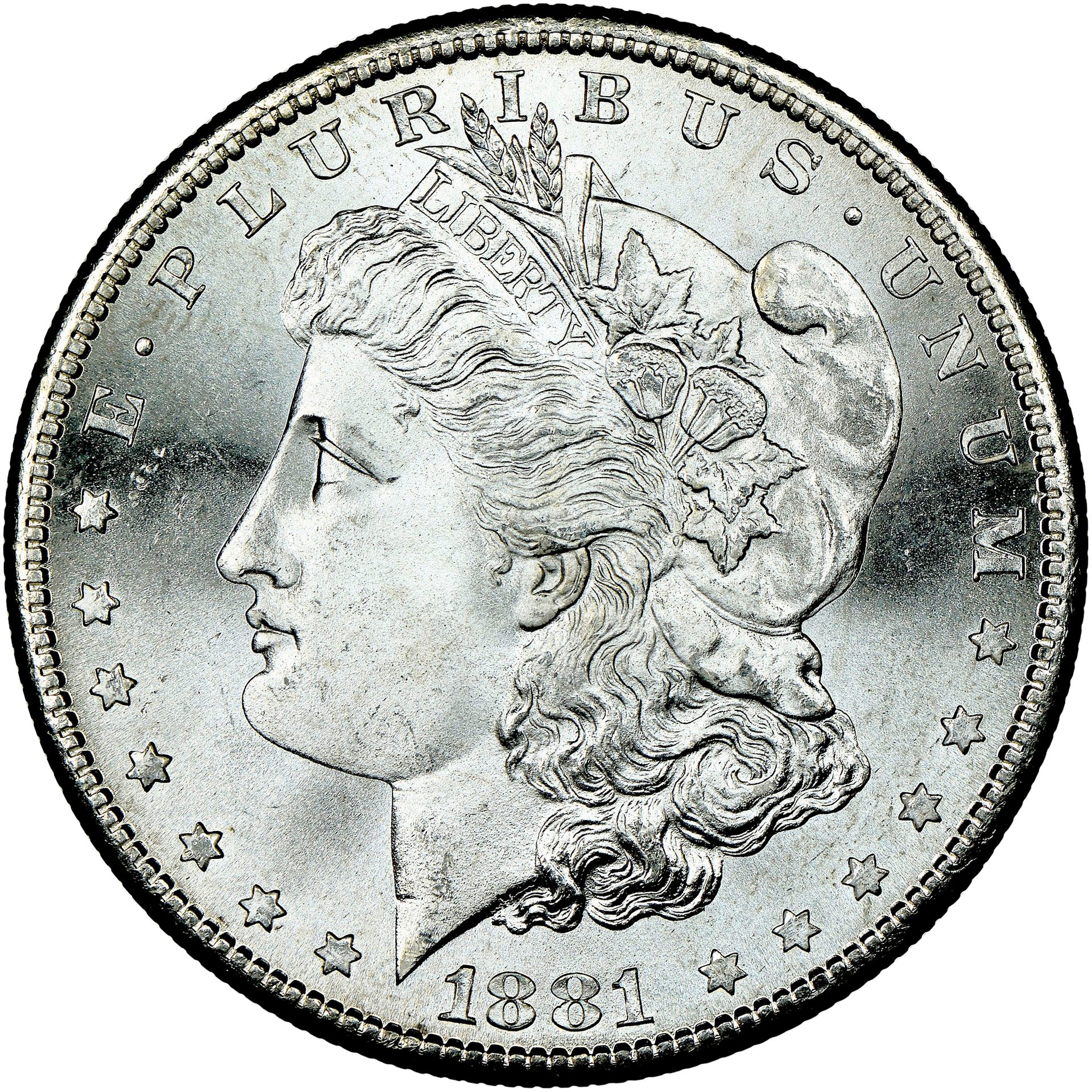
1881-S Morgan Silver Dollar
Not rare in lower grades—but highly desirable in premium condition.
Why it holds value:
- Abundant supply overall
- BUT exceptional luster and strike quality
- Strong demand for high-grade examples
👉 This shows how condition can outperform rarity
An MS65 or higher example is far more sought after than a “rarer” coin in average condition.
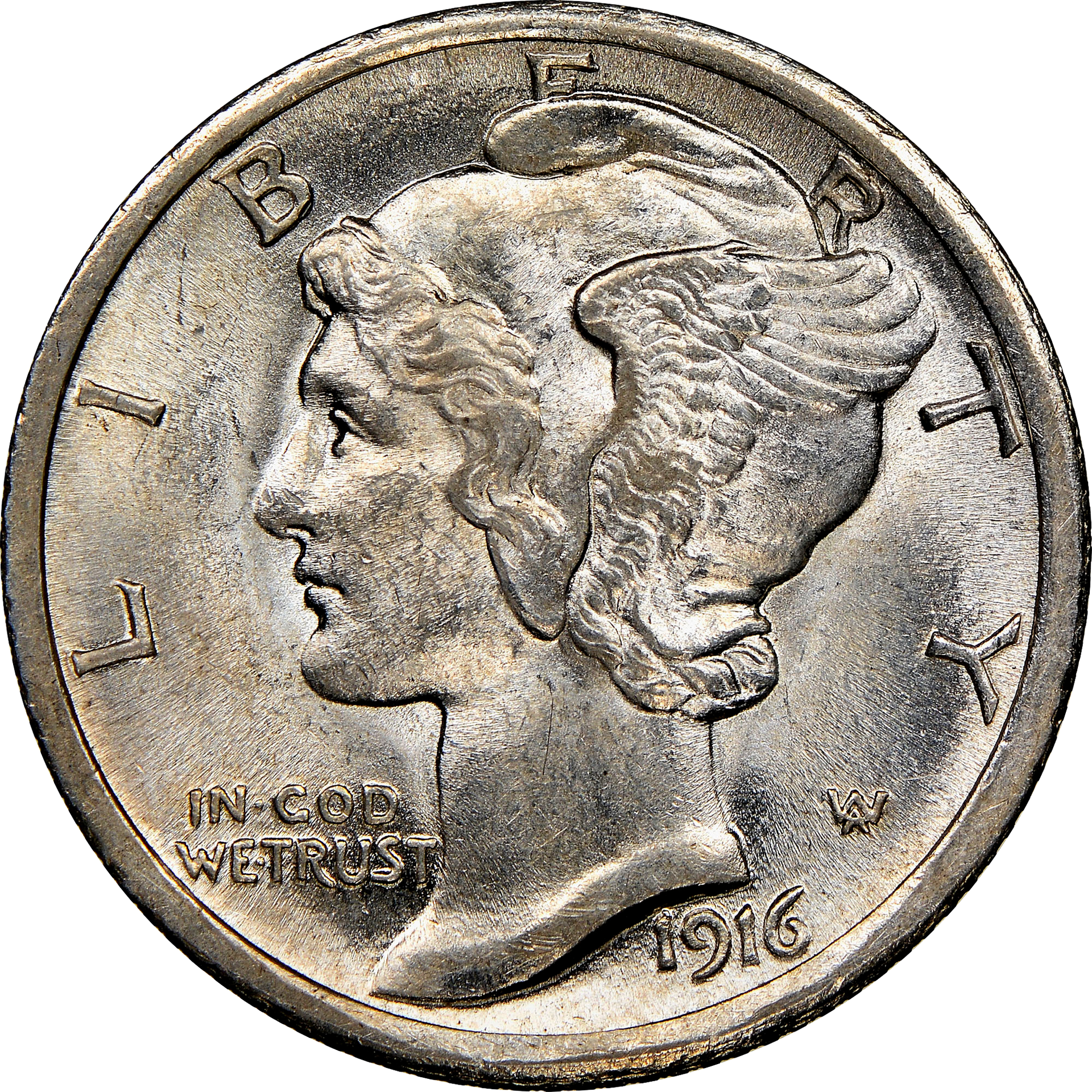
1916-D Mercury Dime
A classic key date with long-standing collector demand.
Why it holds value:
- Low mintage
- Key to completing a popular series
- Consistent demand across decades
👉 This is a textbook case of series demand + scarcity working together
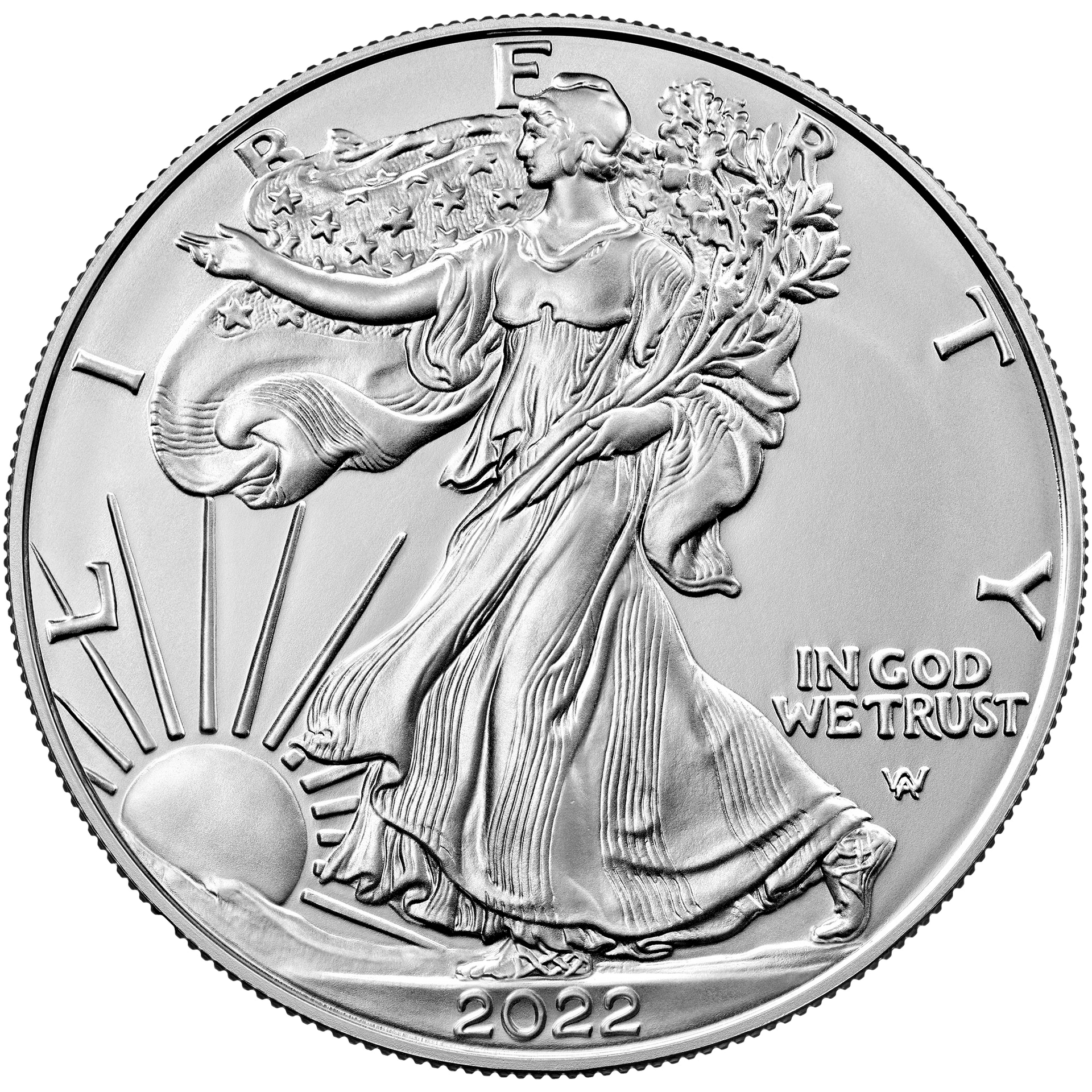
American Silver Eagle (Modern)
Widely available—but still holds value reliably.
Why it holds value:
- Recognizable worldwide
- Strong bullion demand
- Easy to buy and sell
👉 This highlights liquidity + market confidence
Purchasing coins with signatures of the designer and "Magnum Opus" labels can increase the scarcity and value
What These Examples Teach Us
These coins are very different—but they share something important. They’re all:
- recognizable
- actively traded
- supported by real collector demand
That’s the common thread. Not just rarity. Not just age. Not just metal.
👉 Demand + visibility + confidence
A “Rare” Coin That Struggles
Some obscure low-mintage coins:
- lack collector awareness
- don’t appear often in auctions
- have limited buyer pools
👉 These can sit for long periods—even though they’re technically rare.
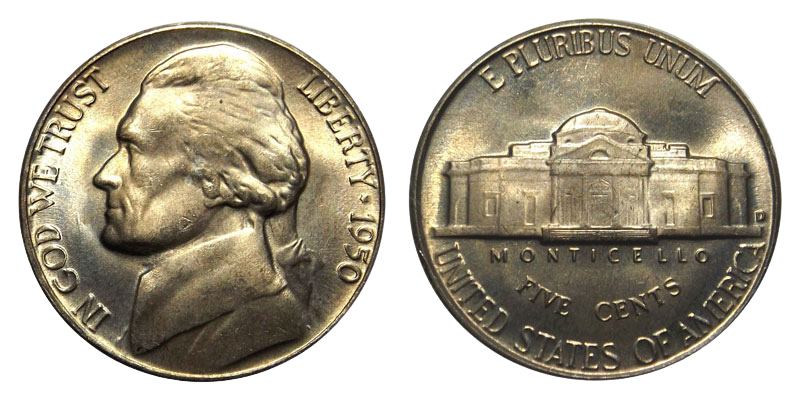
A Low-Mintage Coin That Didn’t Become the Prize People Expected: 1950-D Jefferson Nickel
The 1950-D Jefferson Nickel is a classic reminder that low mintage alone does not create lasting value. When collectors and dealers realized it had the lowest mintage in the Jefferson nickel series, many examples were hoarded in Mint State. That created the opposite of what buyers expected: the coin became scarce in circulation but widely available in preserved condition.
Today, it remains collectible, but it is not the runaway rarity many people once imagined. The lesson is simple: a coin can be low mintage, widely promoted, and still have its value capped if too many nice examples survive.
A “Rare” Coin That Teaches the Opposite Lesson:
Classic Commemorative Half Dollars
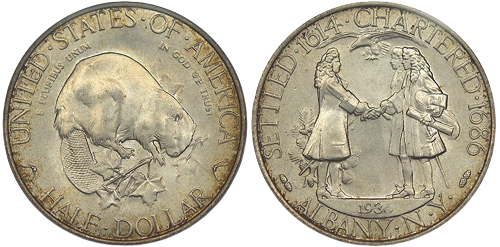
Classic commemorative half dollars can be beautiful, historic, and genuinely collectible—but they also show why low mintage alone is not enough. Take the 1936 Albany Half Dollar. On paper, its net distributed mintage of 17,671 sounds scarce. But because many classic commemoratives were saved by collectors rather than spent, PCGS estimates that most surviving Albany halves are still Mint State, often MS64 or MS65.
That changes the value equation. The coin is not common in the same way a circulated Washington quarter is common, but it also is not scarce in the condition collectors usually want. For a coin like this to move strongly, it needs more than a low mintage. It needs broad collector demand, strong eye appeal, and a buyer pool large enough to compete for it.
The Real Framework (How Value Is Actually Determined)
Experienced collectors don’t rely on a checklist. They evaluate coins through a simple but powerful lens:

Demand Comes First—Not Rarity
This is where most people get it backwards.
A coin can be rare… and still struggle to sell.
Meanwhile, coins with strong collector demand:
- trade frequently
- attract multiple buyers
- and hold value more consistently
👉 The question isn’t “Is it rare?”
👉 It’s
“Are people actively trying to buy it?”

Condition Multiplies Value
Condition doesn’t just affect value—it magnifies it.
A common coin in exceptional condition can outperform:
- a rarer coin in average grade
- or a poorly preserved example
That’s why population reports matter.
❌ Collectors don’t ask: “How many exist?”
✅ They ask: “How many exist at this level?”
Coins certified by
PCGS or
NGC help establish that clarity—but grading alone doesn’t create demand.

Story and Recognition Drive Desire
Collectors are drawn to coins they recognize.
Coins tied to:
- major historical events
- iconic designs
- or well-known series
tend to outperform obscure pieces—even if those pieces are technically rarer.
A coin with no story may be scarce…but it doesn’t give collectors a reason to care.

Liquidity Is the Hidden Factor
Here’s something most beginner guides ignore:
👉 How easy is it to sell?
Coins that hold value tend to:
- appear regularly at major auctions
- have established buyer pools
- show consistent transaction history
Auction archives from Heritage Auctions are one of the clearest ways to see this in action.
If a coin rarely trades, its “value” is often theoretical.
Why Rarity Alone Gets People in Trouble
This is one of the most common (and costly) mistakes in the hobby.
A coin can be:
- rare
- old
- difficult to locate
…and still underperform.
Why? Because collectors aren’t just paying for scarcity. They’re paying for:
- confidence
- recognition
- and resale potential
👉 If those aren’t there, rarity doesn’t carry the weight people expect.
How to Evaluate a Coin Before You Buy
Instead of guessing, experienced collectors rely on a repeatable process:
- Check population reports (PCGS / NGC)
- Review recent auction results—not just listings
- Compare across grades—not just price points
- Look for consistent demand over time
And most importantly: 👉 Ask yourself: “Are people buying this—or just trying to sell it?” That one question eliminates a lot of bad decisions.
A Smarter Collector's Final Check
Before buying a coin because it seems “rare” or promising, slow down and ask the market-facing questions that actually matter.
Is there consistent auction activity? Are collectors buying this coin across multiple grades, or only chasing one narrow condition range? Is it recognizable enough that future buyers will understand why it matters?
That last question is important. Strong collections are not built by chasing every opportunity. They are built by choosing coins with a clear reason to exist in the collection — quality, demand, history, eye appeal, liquidity, or some combination of those traits.
A coin does not need to be a financial investment to be worth owning. Some coins are worth buying simply because you enjoy them. But if you are buying with value in mind, the standard should be higher.
The best collectors are not the fastest buyers in the room.
They are the most deliberate.
A coin holds value when rarity is backed by real demand, strong condition, broad recognition, and a market of willing buyers. Scarcity may get attention, but demand is what gets paid. Once collectors understand that difference, they make sharper decisions—and avoid costly assumptions.
If you’re exploring coins with value in mind, the next step is understanding which coins actually hold demand—and why.
Gold & Glory:
The Truth About Coin Investing
What Actually Holds Value (And What Doesn’t) 👉
Explore our Coin Grading Blog Series 👉
Check live gold and silver spot pricing on the CoinCollecting.com homepage 👉
Follow CoinCollecting.com on Facebook and Instagram for market conversations, collector debates, and future giveaway updates. 👉

On a scale of 1-5, how would you rate the content of this blog article?