
In coin collecting, condition is everything. But condition without authentication is just opinion.
A coin may carry a historic date, a respected mint mark, or a story that spans generations
— but its true value is determined by two things: how well it has survived, and whether the market trusts it.
And just as importantly — whether grading actually makes sense in the first place.
For many collectors, grading can feel confusing. What’s the real difference between MS63 and MS65? Why does one point on the scale sometimes mean hundreds — even thousands — of dollars? And when is it actually worth sending a coin in for certification?
This series was created to answer those questions clearly and practically.
Whether you are evaluating an inherited collection, preparing to sell, or building a long-term portfolio, understanding grading and authentication helps you make better decisions — not just more informed ones.
Because not every coin should be graded. And not every graded coin adds value.
The “True Value” series will walk you through that reality — from understanding the Sheldon Scale to recognizing counterfeits and knowing when certification truly matters.
This isn’t theory. It’s the kind of knowledge collectors use every day — at the coin show table, in auctions, and when deciding what’s worth holding onto.
Blog Article Links below will become live as they are posted.
Understanding the Sheldon Scale
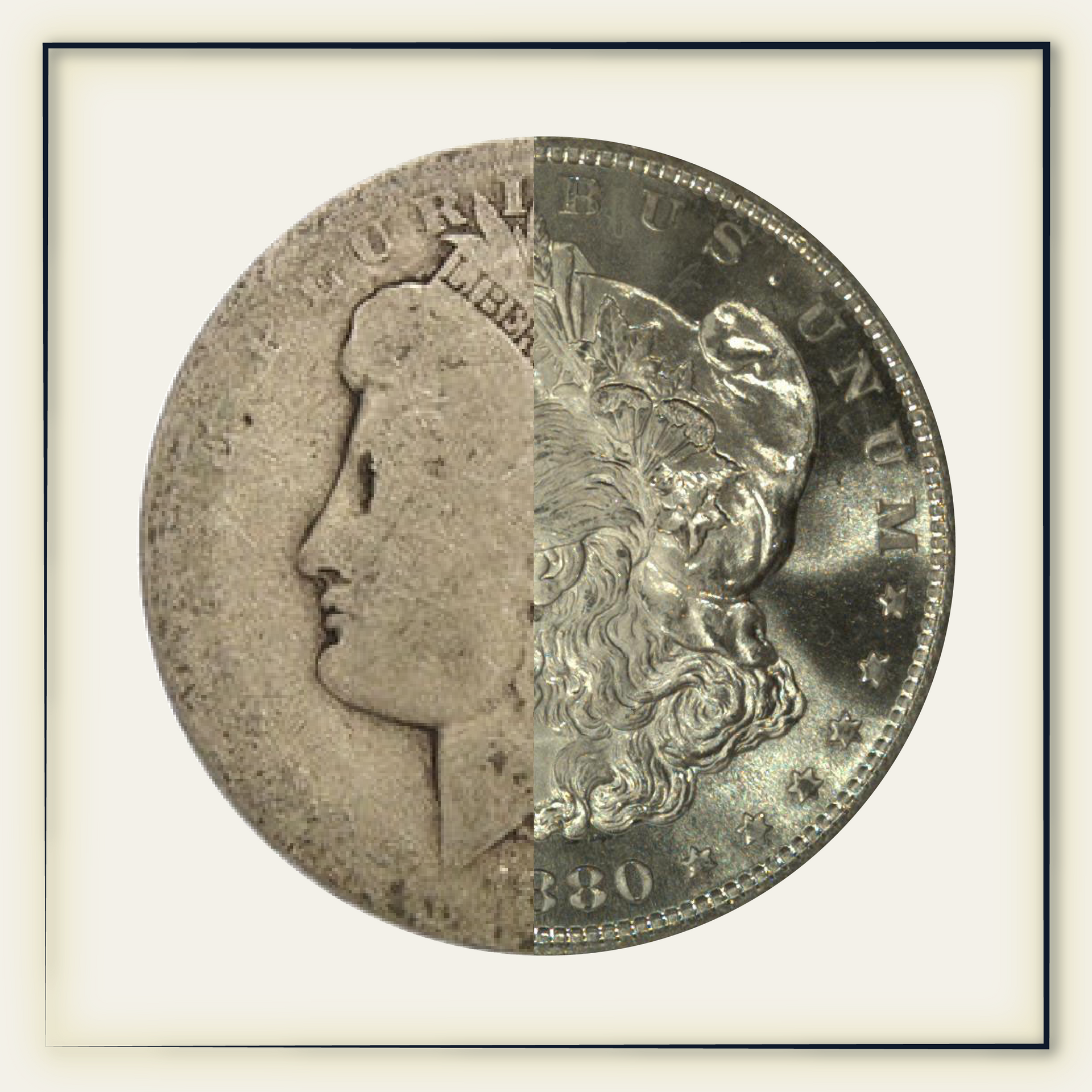
Grading is the language of the coin market. In this article, we break down the 1–70 Sheldon Scale in plain terms — explaining what terms like MS63, MS65, and MS70 truly represent. You’ll learn how wear, luster, strike, and eye appeal affect value, and why even small differences in condition can dramatically change market pricing. This is the foundation every U.S. collector should understand before buying, selling — or deciding whether grading is even necessary.

Grading for Beginners: Top 5 Things to Look for in Your Coins
Before you ever submit a coin for professional grading, there are practical steps you can take at home. This article walks through the five key areas experienced collectors examine first — from luster and high-point wear to rim damage and surface marks. Designed for newer collectors, but useful for anyone wanting to sharpen their eye, this guide builds confidence while helping you recognize when professional grading may be appropriate — and when it may not add meaningful value.

Understanding Coin Grading Standards Worldwide
Coin grading doesn’t stop at U.S. borders. Around the world, grading systems vary — from the Sheldon Scale to traditional adjectival systems like VF, EF, and UNC. This article explores how international standards compare, how grading culture differs across markets, and how those differences affect pricing and liquidity. For collectors expanding into world coins, understanding these distinctions is critical and where knowledgeable collectors can sometimes find overlooked value in less familiar markets.
How to Authenticate Your Coins: Avoiding Frauds and Scams in Numismatics
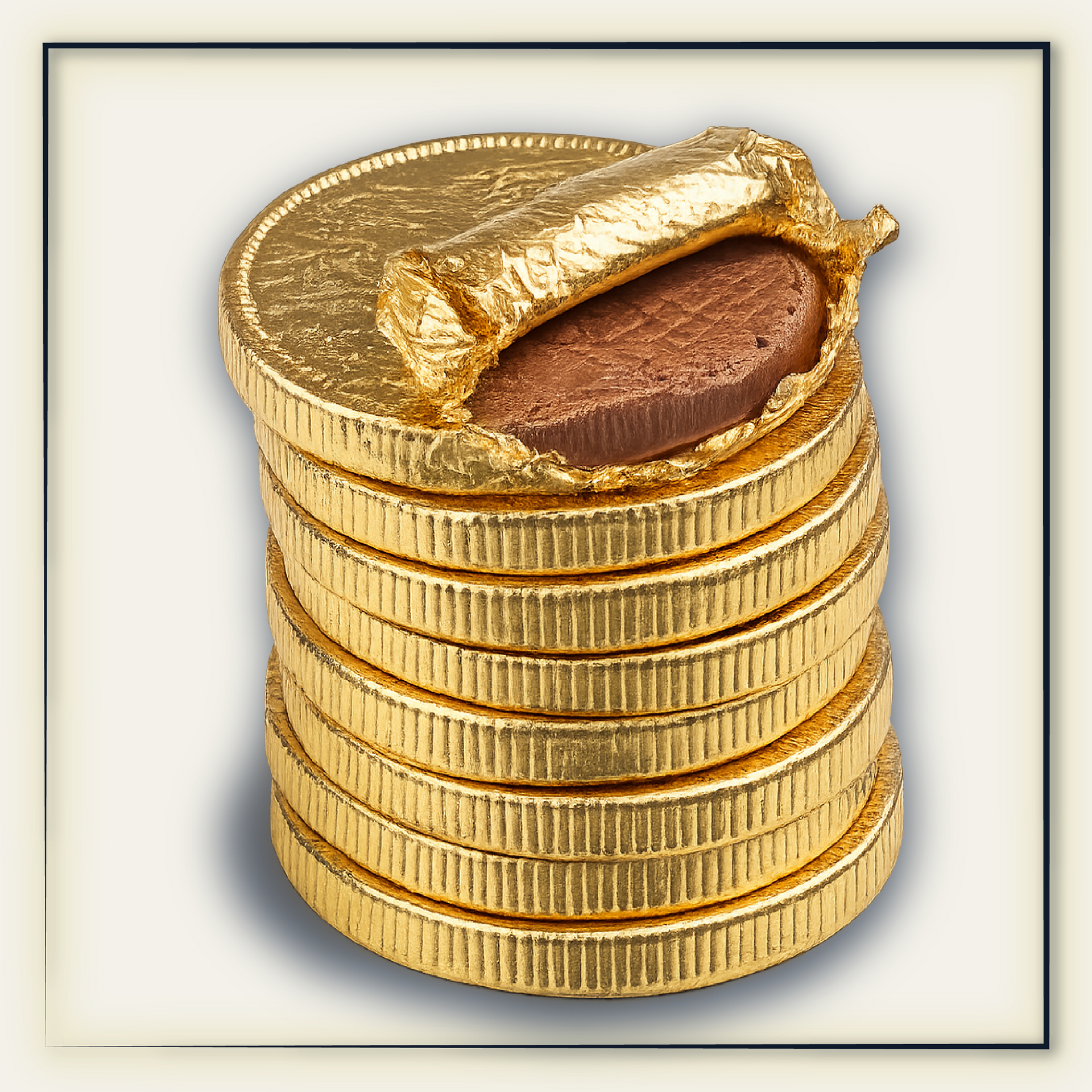
The coin market rewards knowledge — and unfortunately, so do counterfeiters. This article provides a practical overview of basic authentication principles, including weight verification, edge inspection, surface analysis, and red flags found in fake slabs. The goal isn’t fear — it’s preparation. Understanding the risks allows you to collect and invest with greater confidence.
The Importance of Coin Authentication: Protecting Your Valuable Collection
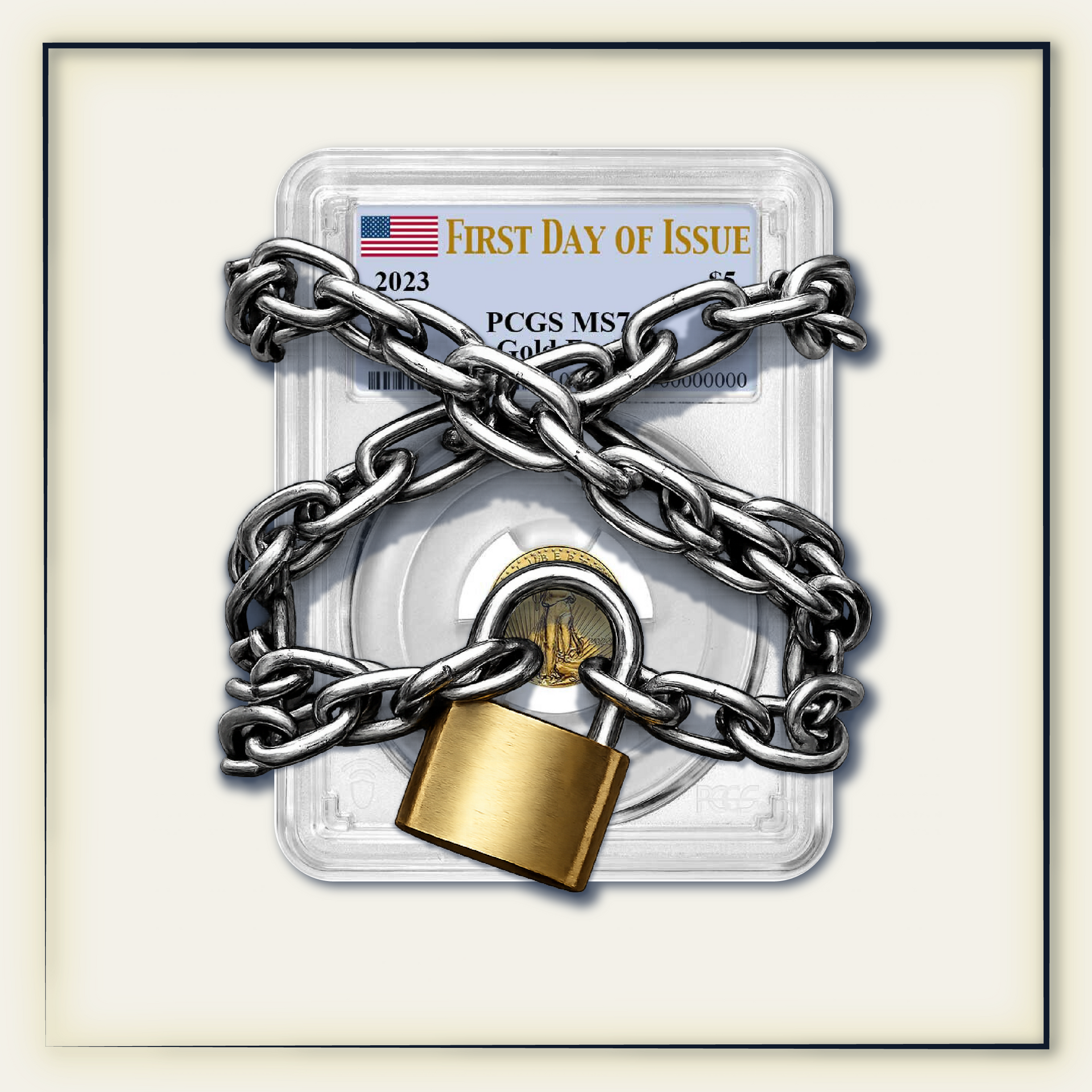
Why do certified coins often sell faster and stronger than raw examples? Why do auction houses and major dealers emphasize third-party grading? This article explains the liquidity premium attached to authenticated coins, how certification simplifies estate planning and resale, and why documentation matters in competitive markets. When credibility is established, value becomes clearer — and more defensible. Certification doesn’t create value — it confirms it and makes it easier for the market to recognize.
READ IT 👉 Coming April 24th