In coin collecting, condition is not a minor detail — it is the language of value.


Two coins can share the same date, mint mark, and even the same mintage. Yet one may sell for a few hundred dollars while another brings several thousand — or far more. The difference is often measured in a single number on a grading label.


That number comes from what is known as the Sheldon Scale — the 1 to 70 grading system used to evaluate U.S. coins today. Understanding this scale is one of the most important steps a collector can take toward making confident buying, selling, and grading decisions.

Because grading isn’t just about describing a coin.

ο»Ώ

It’s about understanding when condition truly adds value — and when it doesn’t.


Where the Sheldon Scale Began

The Sheldon Scale was originally developed by Dr. William H. Sheldon in 1949 as a way to evaluate early American large cents. But its first purpose was not merely to describe condition. Sheldon’s idea was that the numbers could also reflect relative market value. A coin in Basal State-1 served as the starting point, while a perfect Mint State example was treated as worth about 70 times as much. That is where the famous upper limit of 70 came from.

The Sheldon Scale was originally developed by Dr. William H. Sheldon in 1949 as a way to evaluate early American large cents. But its first purpose was not merely to describe condition. Sheldon’s idea was that the numbers could also reflect relative market value. A coin in Basal State-1 served as the starting point, while a perfect Mint State example was treated as worth about 70 times as much. That is where the famous upper limit of 70 came from.


In other words, the original system was part grading scale and part value formula. A “1” represented a coin that was barely identifiable, while a “70” represented the finest possible state of preservation. Sheldon applied this framework to early large cents, where he believed the relationship between grade and price could be expressed with some consistency.


As the hobby matured, collectors and dealers realized that the market does not behave that neatly across all series. A coin graded 70 is not literally worth 70 times more than a coin graded 1 in every case. Some series

show much steeper jumps between grades, while others do not. Even so, Sheldon’s framework proved enormously useful because it gave numismatics a more precise numerical language than older terms like Good, Fine, or Uncirculated alone.


Over time, the value formula faded, but the grading framework endured. The 1-to-70 scale was adopted more broadly across U.S. coins, later reinforced through ANA standards, and eventually became the industry standard used by modern third-party grading services. Today, when collectors refer to a coin as MS63, MS65, or MS70, they are using a system that began with one specialist’s attempt to connect condition and value in a more disciplined way.

ο»Ώ


The Two Main Categories: Circulated vs. Mint State


Before the finer points of grading can make sense, it helps to understand the two broad categories that shape the entire conversation: circulated coins and Mint State coins.


This distinction matters because it separates coins that have entered everyday use from coins that have survived without actual wear from commerce. That line is one of the first and most important judgments a grader makes.


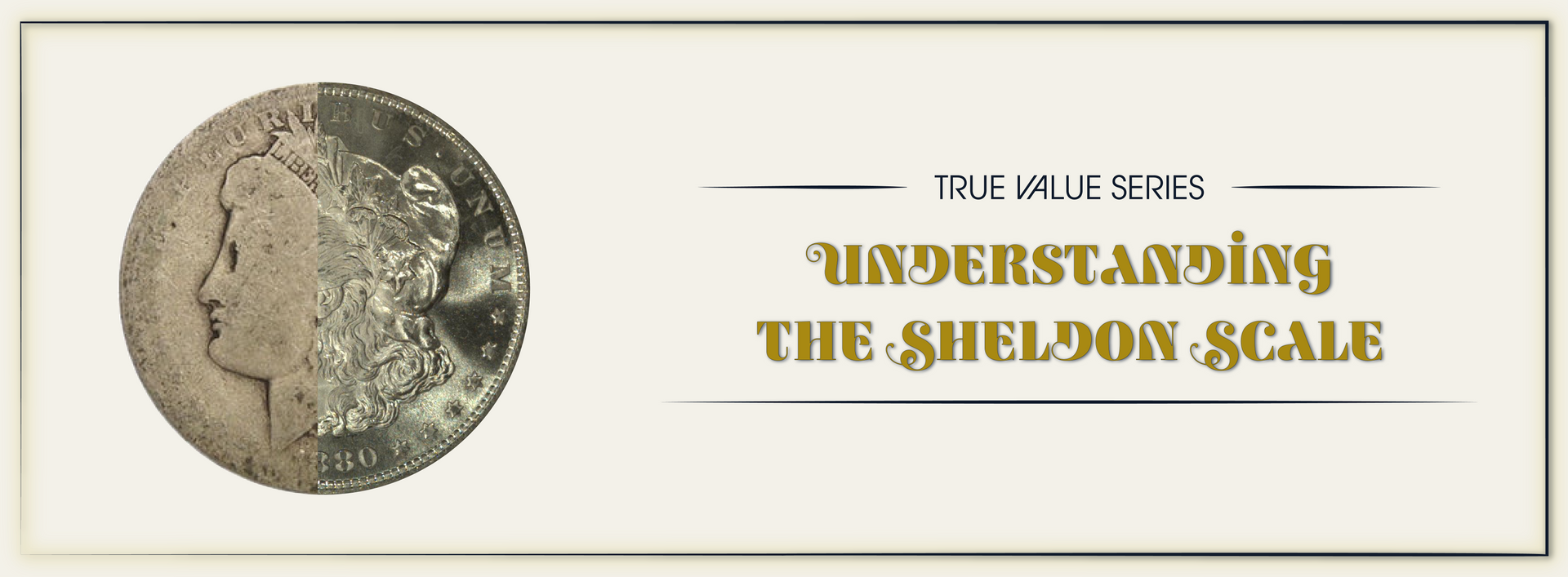
Circulated Coins (Grades 1–58)


A circulated coin is one that has seen use in commerce and, as a result, shows some degree of wear. That wear appears first on the highest points of the design — the areas that make the earliest contact as a coin moves through hands, pockets, tills, and bags.


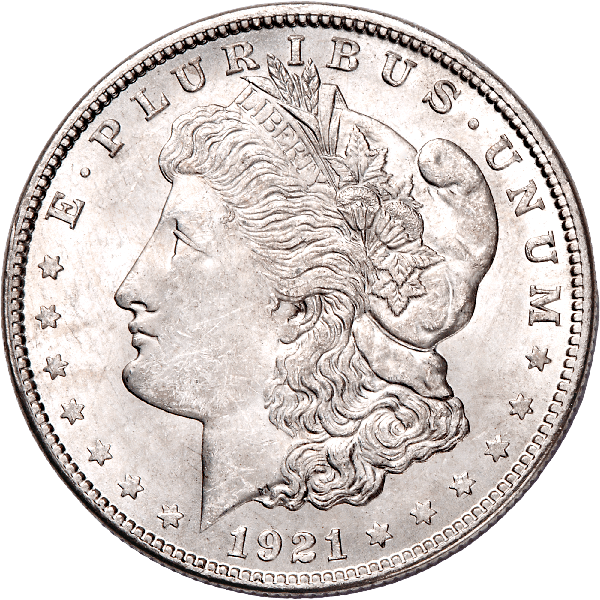
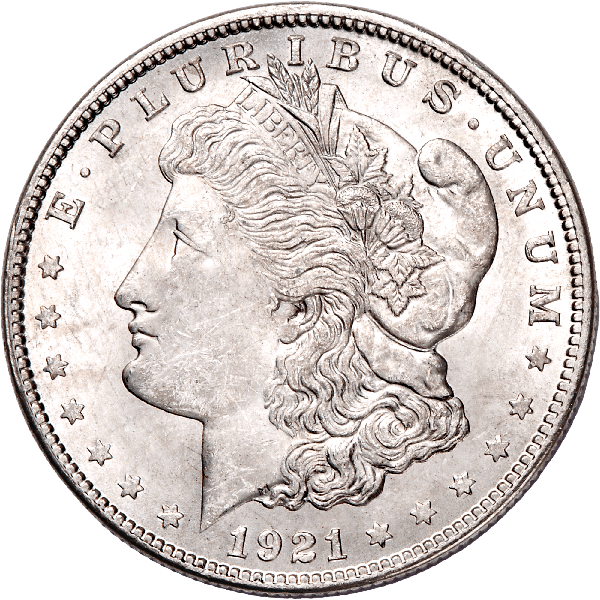
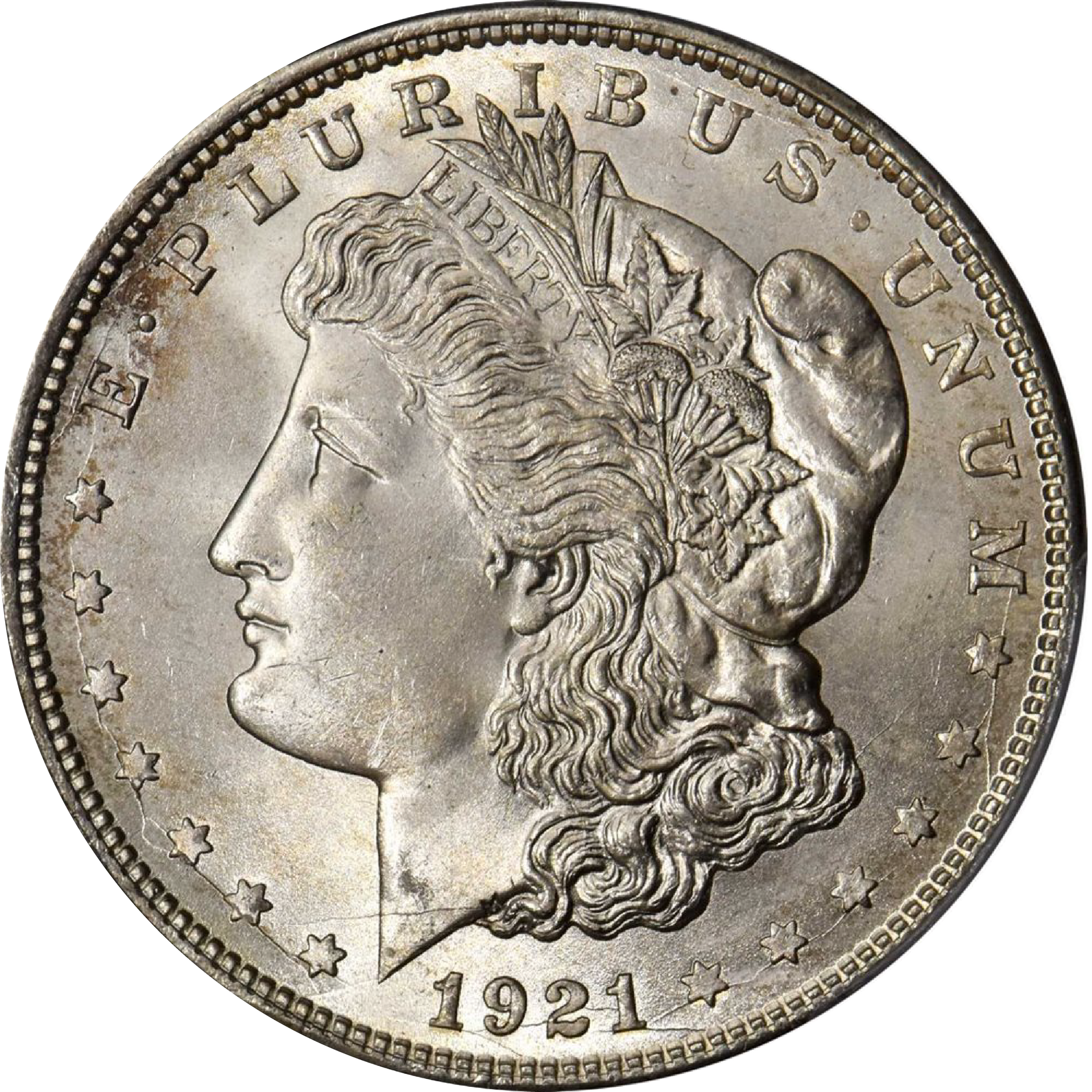
On a Morgan dollar, that might be Liberty’s cheek or the hair above her ear. On a Walking Liberty half dollar, it may appear on Liberty’s breast and leg. On a Lincoln cent, graders often study Lincoln’s jaw, cheek, and coat. The principle is always the same: the higher the point of the design, the sooner wear reveals itself.


Circulated grades are commonly described using traditional abbreviations:

(NOTE: Circulated coins can also be designated as Poor (P-1), Fair (FR-2), and About Good (AG-3). These are lesser grades which typically signify the lowest values.)


As the grade rises, the coin retains more of its original detail. A coin graded Good may be heavily worn but still identifiable. A Fine or Very Fine example will show stronger major features, though clear wear remains. By the time a coin reaches Extremely Fine, much of the design is still present, but friction is obvious on the high points.


About Uncirculated occupies a particularly important place in the grading scale because it sits right at the threshold of Mint State. An AU coin may appear impressive at first glance and can retain strong luster and eye appeal, but under closer inspection it will show a slight trace of friction on the highest parts of the design. That tiny bit of wear is enough to keep it out of the Mint State category.


For many classic U.S. issues, circulated coins remain highly collectible and often quite valuable. A scarce date, low mintage, or strong collector demand can make even a well-worn example desirable. Condition matters, but it is never the only part of the story.


Mint State Coins (Grades 60–70)


A Mint State coin shows no wear from circulation. That is the defining standard.


But this is where many newer collectors get tripped up: a coin can be Mint State and still have marks, dullness, weak eye appeal, or poor overall presentation. “Uncirculated” does not automatically mean beautiful, and it certainly does not mean perfect.ο»Ώ

An MS60 coin may be technically uncirculated while still showing heavy bag marks, impaired luster, or generally unattractive surfaces. It has not worn down through use, but it may have suffered plenty of rough handling after striking.


An MS63 coin is often where many collectors begin to see the difference between technical preservation and market appeal. It may still show noticeable contact marks, but it usually retains enough luster and overall visual strength to remain attractive.


An MS65 coin moves into what many collectors consider gem territory. At that level, luster is typically stronger, marks are fewer or less distracting, and the overall look of the coin is more impressive. In many series, this is the point where values begin to separate sharply.


Above that, the standards tighten fast. MS67 and better examples are genuinely scarce for many classic U.S. series, not because the numbers sound high, but because so few coins survive with that combination of preservation, luster, strike, and eye appeal.


And then there is MS70 — the theoretical pinnacle. A perfect coin. No post-production imperfections visible under magnification. In modern coinage, 70 is attainable in some issues. In many older U.S. series, however, true 70s are effectively nonexistent in practice. The standard remains part of the scale, but the marketplace recognizes how rarely classic coins approach it.


In simple terms, circulated grades measure how much wear a coin has endured, while Mint State grades measure how well an unworn coin has been preserved.


What Graders Actually Look For


Once collectors understand the difference between circulated and Mint State coins, the next question becomes more practical: what, exactly, are graders evaluating when they assign a number?


Professional grading is not guesswork, and it is not based on a single flaw or feature. It is a layered assessment of how a coin was struck, how it has survived, and how it presents as a whole. While every series has its own nuances, most grading decisions come back to four primary elements: wear, luster, strike, and surface preservation.

Wear is the most fundamental factor in grading because it determines whether a coin is circulated or Mint State.

ο»Ώ

Graders study the highest points of the design first, looking for any sign that friction has smoothed the metal or interrupted the original surface. This can be obvious on heavily circulated coins, but on higher-grade pieces it may be extremely slight — a faint rub on Liberty’s cheek, a touch of softness on an eagle’s breast feathers, or a break in the texture of the design under angled light.


Even minimal wear matters. A coin may look impressive at first glance, but if it shows actual circulation friction, it no longer qualifies as Mint State.

Luster is one of the clearest indicators of originality and preservation.


When a coin is struck, metal flows outward into the dies, creating a microscopic surface texture that reflects light in a distinctive way. On many silver and nickel coins, this appears as the familiar cartwheel effect — a rotating band of light that moves across the surface when the coin is tilted.


Strong, uninterrupted luster often signals that a coin has avoided circulation and harsh cleaning. Weak, dull, or broken luster can suggest wear, mishandling, environmental damage, or improper storage. In higher Mint State grades, luster is not just a supporting detail — it is often one of the traits that separates a merely acceptable coin from a truly desirable one.

Strike refers to how fully and sharply the coin was impressed by the dies at the moment of manufacture.


Not every weak detail is the result of wear. Some coins left the mint with softness in certain areas because of worn dies, insufficient striking pressure, or the normal characteristics of a particular series. That is why experienced graders must know the issue they are evaluating. A weakly struck New Orleans Morgan dollar, for example, cannot be judged exactly the same way as a boldly struck Philadelphia example.


This is where grading becomes more than simply “looking for sharpness.” Graders must determine whether missing detail comes from circulation, poor strike quality, or the way that series typically appears. That distinction can materially affect the final grade.

Surface preservation deals with the marks and impairments a coin has accumulated over time.


These may include contact marks from bag storage, hairlines from mishandling, scratches, spots, scuffs, or other blemishes. Just as important as the number of marks is their location. A small nick hidden near the rim does not carry the same weight as a distracting mark in a focal area like Liberty’s cheek, an open field, or the center of a portrait.


In Mint State grading especially, surface preservation can make the difference between an average coin and one that commands a premium. Two coins may have similar luster and strike, but the one with cleaner, less distracting surfaces will almost always be more marketable.

Why Eye Appeal Matters

For all the technical analysis involved, grading is not purely mechanical.


A coin is also judged as a complete visual object. That is where eye appeal enters the picture. Toning, balance, brightness, cleanliness, and the overall harmony of the surfaces can influence how a coin is perceived in the marketplace. Two coins with similar technical characteristics may not be equally desirable if one is noticeably more attractive.


That is why grading is both technical and visual. It requires discipline, knowledge of the series, and an understanding that the market responds not only to preservation, but to presentation.


In the end, graders are not just measuring defects. They are judging how convincingly a coin has preserved its original character — and how strongly that character still speaks today.


Technical Grading, Market Grading, and When Third-Party Certification Matters


Once you understand what graders look for — wear, luster, strike, and surface preservation — the next layer becomes more practical.


Not just how coins are graded, but how those grades function in the real marketplace.


Historically, grading focused on what is often called technical grading — a disciplined evaluation of the coin’s physical condition. How much wear is present? How intact are the original surfaces? How well has the coin survived?


That foundation still matters. It is the starting point for every serious evaluation, whether the coin is being examined by a professional grader, a dealer, or a knowledgeable collector.


But coins are not bought and sold in isolation....

  • They are bought and sold in a market.
  • And that market does not respond only to technical details — it responds to how a coin presents as a whole.


That is where market grading comes in.


Market grading still respects the technical facts of the coin, but it also accounts for eye appeal — the balance of luster, cleanliness, strike, and overall visual strength. Two coins may be similar in terms of preservation, yet one may stand out because it simply looks better in hand. Cleaner focal areas, stronger luster, or more attractive toning can make a meaningful difference.


In practice, that coin is often more desirable. And often more valuable.


This is not theoretical. It is something collectors see every day. At coin shows, a dealer may evaluate a raw coin in seconds, drawing on years of experience. A seasoned collector may do the same — deciding whether a coin looks original, premium for the grade, or worth pursuing further.

That kind of judgment is part of the hobby.


But it also leads to an important question....

When does it make sense to bring in a third-party grading service?


In today’s market, the two names that carry the most weight are PCGS and NGC. Both provide authentication, standardized grading, encapsulation, and guarantees that help create consistency across the marketplace. When a coin is certified by one of these services, it enters the market with a shared language that buyers and sellers recognize.ο»Ώ

That matters most when:

  • the coin has meaningful value
  • the grade is not obvious or could be debated
  • authenticity or originality may be questioned
  • or the coin is being sold beyond a local, in-person setting


In those situations, certification helps remove uncertainty. It allows the broader market — dealers, collectors, and auction houses — to engage with the coin more confidently.


But just as importantly, there are times when third-party grading is not necessary.


Common-date coins, heavily circulated pieces, or coins with limited market value often trade just as easily without certification. In those cases, the cost of grading may outweigh any added benefit. Many experienced collectors and dealers rely on their own judgment in these situations, especially when evaluating coins in person.


❌ Certification, then, is not a requirement.


πŸ“ It is a tool.


And like any tool, its value depends on when and how it is used.


What third-party grading ultimately provides is  clarity — confirmation of authenticity, a standardized assessment of condition, and a level of confidence that allows coins to move more easily through the market.


❌ It does not create value on its own.

βœ…It helps the market recognize the value that is already there.


In that sense, grading remains both   science and judgment: The science is in the standards. The judgment is in the interpretation.


And the market responds to both — not just to the number on the holder, but to how convincingly the coin presents itself when it is placed in the light.


Why One Point Can Change Everything


For new collectors, it can be surprising that a single point difference — say MS64 to MS65 — can dramatically affect value.


But grading is not just about condition. It is about market confidence.


An MS65 coin is often considered “gem quality.” At that level, the coin is not simply well-preserved — it becomes more desirable, more liquid, and more competitive in the marketplace. That one-point difference often reflects a meaningful improvement in eye appeal: fewer marks in focal areas, stronger luster, and a cleaner overall presentation.


And as grades rise, something else happens....

The number of surviving examples drops — sometimes sharply.


That is where the market begins to respond.


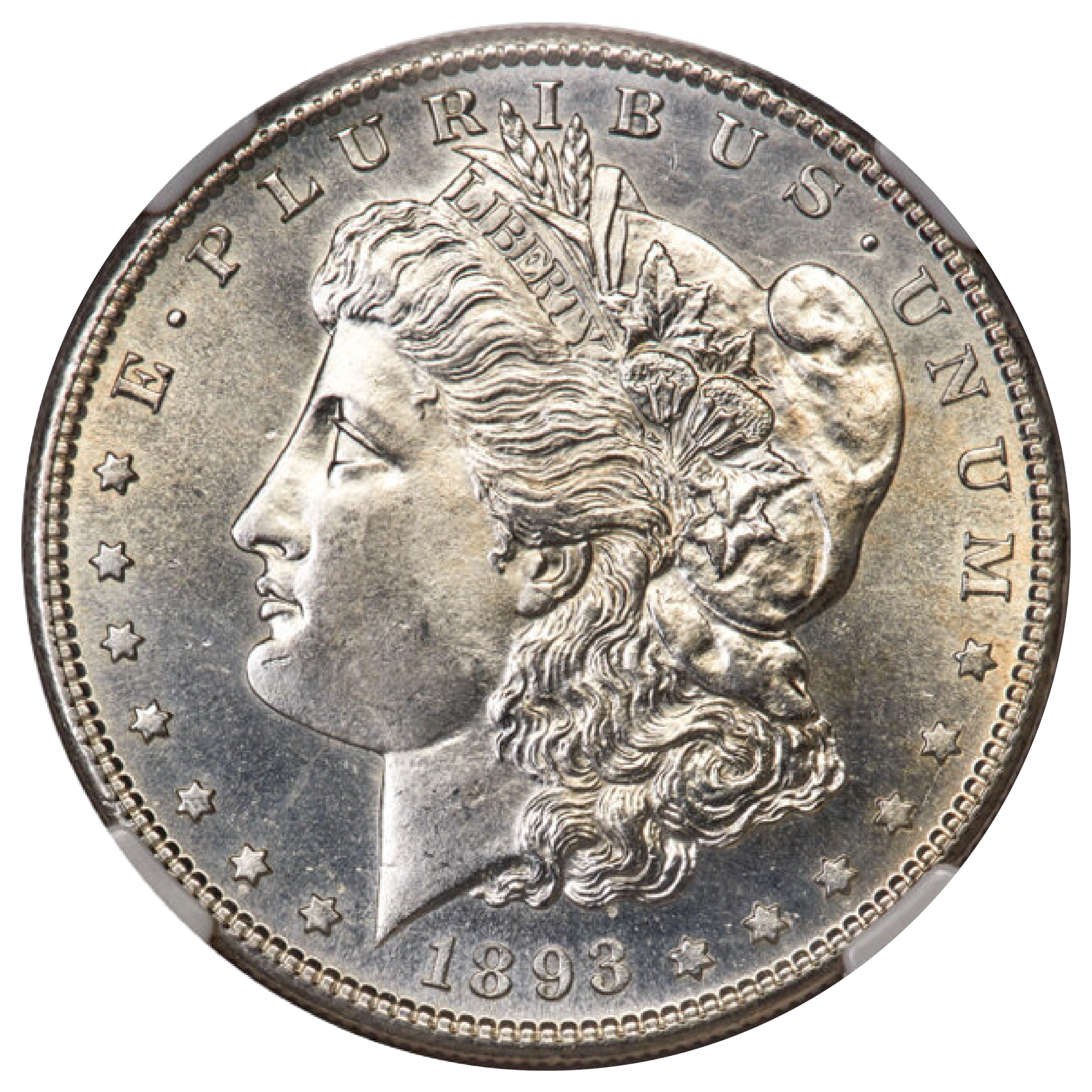
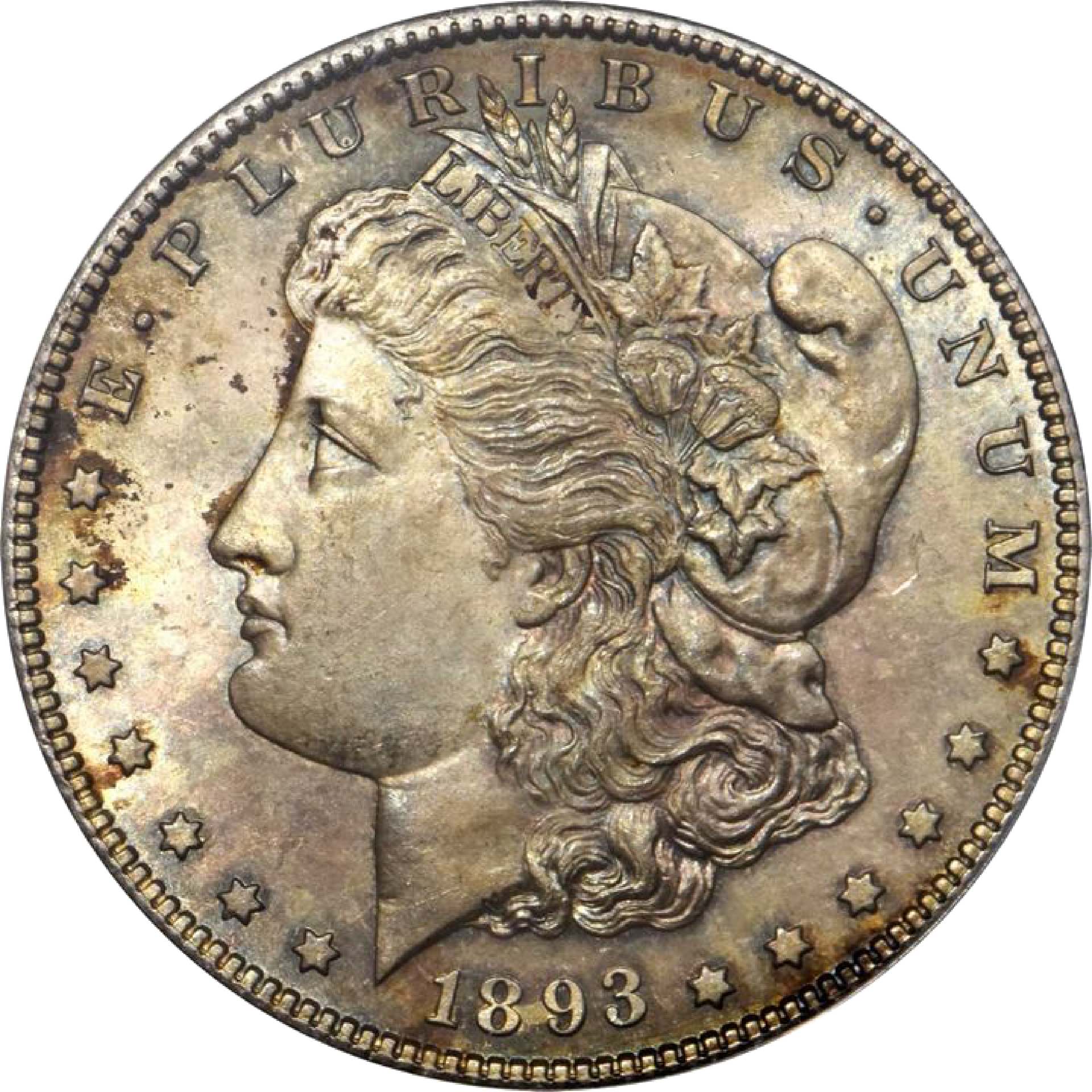
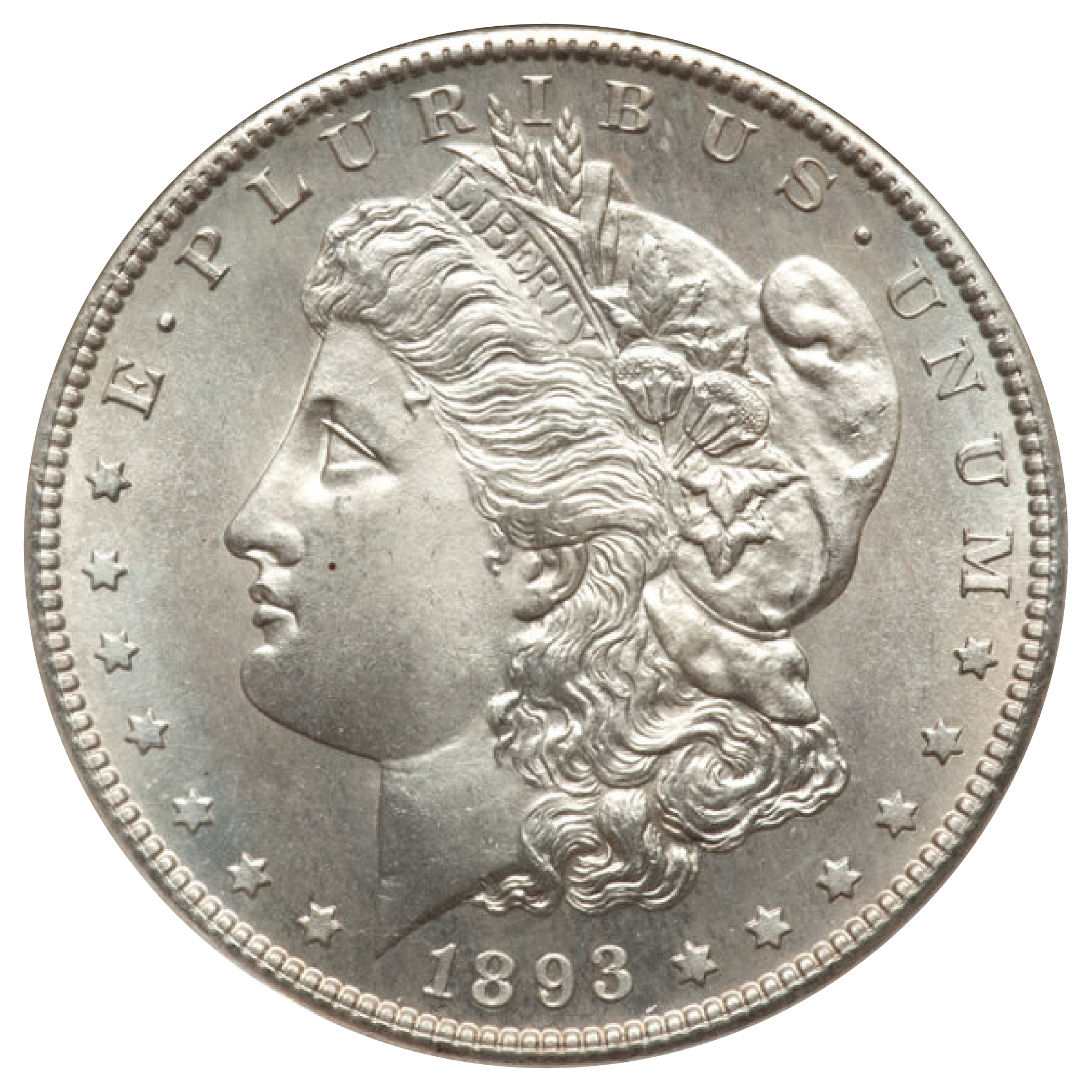
A Real-World Example: The 1893-S Morgan Dollar

Among Morgan dollars, the 1893-S is one of the most respected key dates in the entire series. In lower grades, it is already scarce. But in higher Mint State grades, it becomes exceptionally rare.ο»Ώ

(Note: Current pricing and auction records can be found on grading websites. The PCGS info on the 1893-S Morgan dollar can be found πŸ‘‰ HERE )


The difference between those prices is not a different type of coin.

It is a difference in condition — measured on the same scale.


This is where the Sheldon Scale stops being theoretical and becomes very real.

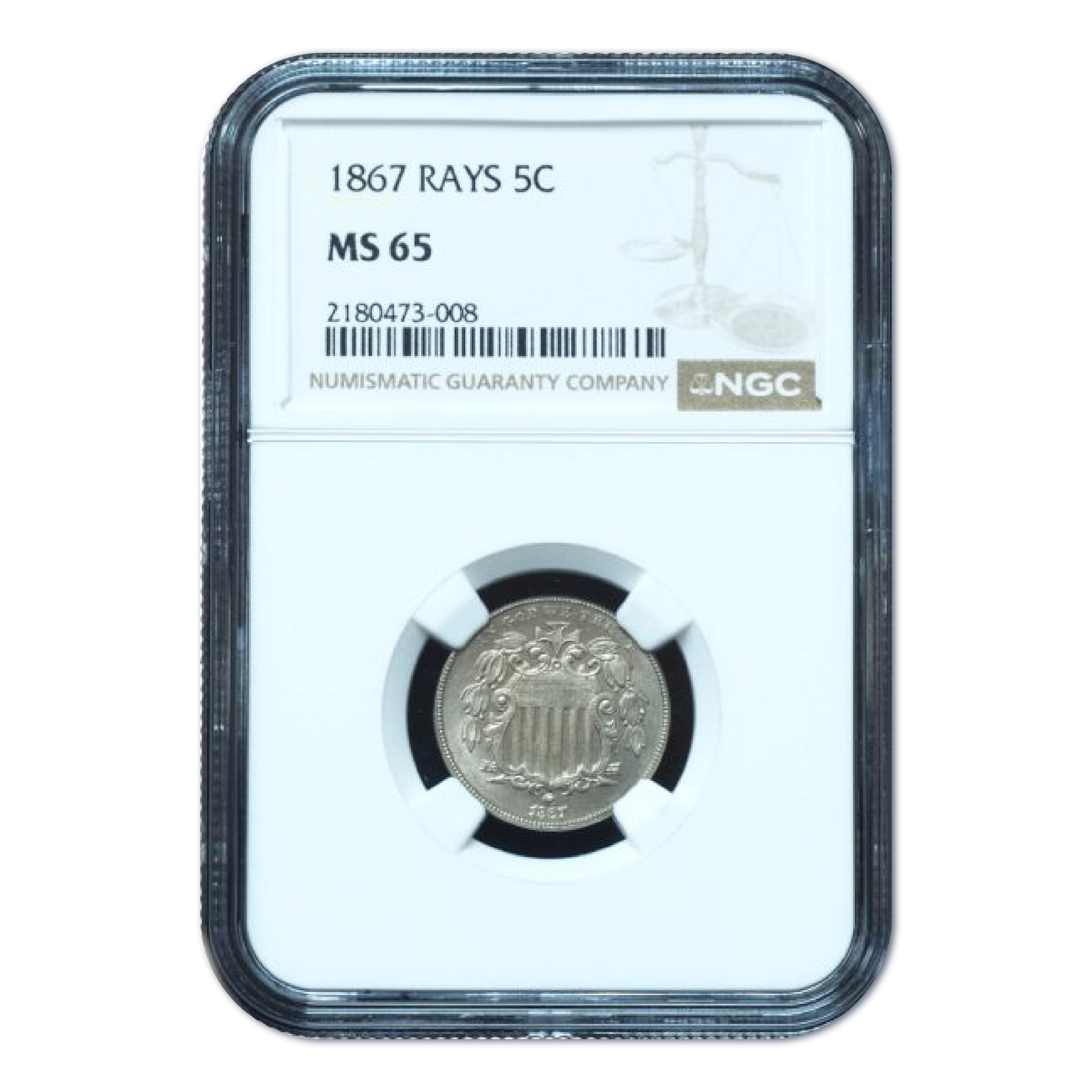
A MORE ACCESSIBLE EXAMPLE... This principle is not limited to headline rarities.

An 1867 Rays Shield Nickel graded MS65 has sold for nearly $4,000 — not because the coin is universally rare, but because the combination of preservation, strike, and eye appeal places it above most surviving examples.


Even in mid-range coins, grade can create meaningful separation in value. That separation is not always dramatic — but it is often consistent.

When the Difference Is Subtle — But Still Matters

In many series, the visual difference between two adjacent grades can appear minor, especially to an untrained eye.


But the market does not respond only to what is immediately obvious.


It responds to scarcity within a grade, to demand from collectors building high-quality sets, and to the confidence that comes with owning a coin that meets a higher standard.


That is why a one-point difference can matter — even when it is not immediately obvious.


Discovery Still Happens

It is easy to think that grading only matters at the highest levels. But sometimes, it begins with simply taking a closer look....


There have been documented cases of rare coins being discovered in inherited collections — coins that initially appeared ordinary, but were later authenticated and graded with significant value.


In one well-known example, a rare 1974-D aluminum cent was found stored casually for decades. After certification, its estimated value ranged into the hundreds of thousands — potentially more depending on the market. πŸ‘‰ Check it out here


Not every coin holds that kind of surprise.

But the lesson is consistent: You cannot determine value without understanding condition and authenticity.


These examples reinforce a simple but important idea:

  1. Grading is not just a description.
  2. It is a way of placing a coin within the marketplace.
  3. And in that marketplace, even small differences in condition can carry meaningful consequences.


The Sheldon Scale gives collectors a structured way to understand condition — but the real value of grading lies in how that condition functions in the marketplace.


A coin’s grade is more than a number on a label. It reflects preservation, shapes buyer confidence, and helps determine whether a coin will trade as ordinary, desirable, or exceptional. Just as importantly, it helps answer one of the most practical questions in numismatics:


Does grading this coin actually make sense?

Not every coin belongs in a holder. Not every one-point jump justifies the cost. But when rarity, authenticity, eye appeal, and market demand come together, grading can make a meaningful difference in how a coin is understood, valued, and sold.


In the end, the goal is not simply to know the scale.

It is to use it wisely.

Because in coin collecting, informed judgment is what turns information into value.